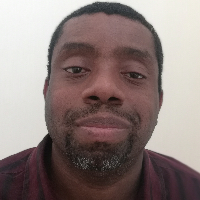
Profile / United States
Okechuku Nwanganga, LCSW
California
LCSW - stress and relationship concerns
See online therapy options- Cognitive Behavioral Therapy
- Client-centered focus
- English and Igbo
About Okechuku
Okechuku Nwanganga, LCSW, has practiced social work for 10 years in California. He focuses on stress, anxiety, relationship and grief concerns among others and uses talk-based therapy to help people address what is most important to them.
He prefers straightforward sessions that start with what the client wants to address. He pays attention to strengths and decisions people already make. He won’t push someone to share beyond their comfort but will ask questions to understand the situation better.
Okechuku often blends Cognitive Behavioral Therapy methods with client-centered ideas. That means he helps people notice unhelpful thoughts and habits, and also listens to how each person prefers to take steps forward. Sessions emphasize practical techniques and clear choices for next steps.
His approach is direct and honest. He aims to highlight what is working and what can change. The work is focused on small, manageable shifts rather than big promises.
He works in English and Igbo and practices in California. To begin, people complete a short matching questionnaire and schedule a first session through the site’s online options. The subscription used for sessions can be canceled at any time.
How his approaches translate to online sessions
Okechuku uses Cognitive Behavioral Therapy to help people notice and test unhelpful thoughts. CBT in practice means setting specific goals, trying small behavior changes between sessions, and reviewing what worked and what did not. Client-Centered Therapy emphasizes listening closely to what the person says and letting their priorities guide the work. That approach helps when someone needs space to name what matters before trying new strategies.Choosing an approach is part of the work together. He will discuss goals, preferences, and what has helped in the past to decide which methods to try. The plan can shift over time if different tools are more useful.
Session formats are not specified in the biography, so confirm current options before booking. Online therapy can make fitting sessions into everyday life easier by removing travel time, allowing shorter check-ins when needed, and making it simpler to schedule around work or family obligations. Discussing format and timing early helps create sessions that fit a person’s routine.
Areas of expertise
Primary focus
Also works with
Therapeutic approaches
Experience
10+ years
Listed in
California
Languages
English, Igbo
Frequently asked questions
What kinds of problems does he help with most?
He helps people address stress, anxiety, relationship issues, grief, depression, family concerns, trauma and abuse, intimacy issues, parenting strain, anger, self-esteem, career decisions, bipolar management, life changes, and compassion fatigue.
How does he use Cognitive Behavioral Therapy?
He uses CBT techniques to help people notice unhelpful thoughts and patterns and to try practical alternative responses. Work often includes identifying thoughts, testing assumptions, and practicing different behaviors.
What is his experience and background?
He has 10 years of experience as a social worker and holds an LCSW credential. His practice draws on a range of approaches rather than a single model.
Where is he licensed and based?
He is a CA LCSW and practices in California.
Which languages are supported?
Sessions are offered in English and Igbo.
Can international clients work with him?
He does not accept international clients at this time.
How much do sessions cost?
Cost varies with location and sessions use a subscription that can be canceled at any time.
How do I get started with him?
Select the See online therapy options button, complete a short matching questionnaire, and schedule a first session.
Details come from information the therapist supplied to BetterHelp. A license can be checked with the state board.
Online talk therapy is not emergency care. If you are not safe, use the crisis numbers.