
Velma Jones
LCSWNew York · 29 yrs exp
LCSW in New York - Mood and relationship work
Stress, Anxiety · Relationship · Trauma and abuse · Depression · +10 more
Read profileTherapist listings are provided by BetterHelp. We will earn a commission at no additional cost to you if you use our links to purchase.
This page lists therapists who focus on self-esteem and related concerns. You can browse profiles below to compare approaches, credentials, languages, and experience.
Use the listings to explore practitioners who emphasize building self-worth and confidence, then read on for guidance about what therapy involves and how to choose a fit.
New York · 29 yrs exp
LCSW in New York - Mood and relationship work
Stress, Anxiety · Relationship · Trauma and abuse · Depression · +10 more
Read profile
Oklahoma · 21 yrs exp
LMFT - Relationships and Anxiety
Stress, Anxiety · Relationship · Family · Self esteem · +8 more
Read profile
Florida · 14 yrs exp
Marsha Oxamendi LCSW - Anxiety and Stress
Stress, Anxiety · Grief · Anger · Self esteem · +12 more
Read profile
Michigan · 25 yrs exp
Licensed Professional Counselor - Stress and Anxiety
Stress, Anxiety · LGBT · Relationship · Grief · +10 more
Read profile
Illinois · 17 yrs exp
LCSW - trauma and mood support
Trauma and abuse · Coping with life changes · Stress, Anxiety · Relationship · +9 more
Read profile
South Carolina · 16 yrs exp
Licensed MFT - Relationships and Anxiety
Stress, Anxiety · Relationship · Family · Parenting · +14 more
Read profile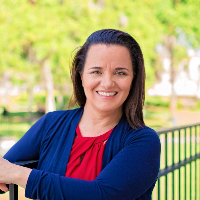
Florida · 20 yrs exp
LMHC - Addiction and stress care
Stress, Anxiety · Addictions · Relationship · Self esteem · +16 more
Read profile
Hawaii · 16 yrs exp
Licensed Clinical Social Worker - Anxiety and Depression
Stress, Anxiety · Grief · Self esteem · Depression · +5 more
Read profile
Minnesota · 25 yrs exp
Licensed Professional Counselor - Stress and Anxiety
Stress, Anxiety · Relationship · Grief · Self esteem · +9 more
Read profile
Oregon · 17 yrs exp
Licensed Professional Counselor - Anxiety and Stress
Stress, Anxiety · Anger · Self esteem · Career · +12 more
Read profile
Florida · 32 yrs exp
LMHC - LGBT concerns and grief specialist
LGBT · Grief · Self esteem · Coping with life changes · +1 more
Read profile
Texas · 25 yrs exp
LPC in Texas - stress and relationship focus
Stress, Anxiety · Relationship · Parenting · Anger · +8 more
Read profile
New York · 24 yrs exp
LCSW in New York - anxiety and depression
Stress, Anxiety · Relationship · Anger · Self esteem · +12 more
Read profile
Florida · 39 yrs exp
Stress, Anxiety · Relationship · Family · Parenting · +14 more
Read profile
Mississippi · 16 yrs exp
MS LPC - Relationships and Family
Stress, Anxiety · Relationship · Family · Parenting · +6 more
Read profile
Kansas · 12 yrs exp
LCMFT in Kansas - Relationships and Anxiety
Stress, Anxiety · Relationship · Intimacy-related issues · Depression · +13 more
Read profile
North Carolina · 51 yrs exp
Licensed counselor - relationships and mood
Relationship · Intimacy-related issues · Parenting · Self esteem · +12 more
Read profile
Texas · 11 yrs exp
LPC in Texas - Mood and anxiety care
Stress, Anxiety · Bipolar · Depression · Self esteem · +2 more
Read profile
New York · 11 yrs exp
Licensed Mental Health Counselor - Stress and Anxiety
Stress, Anxiety · Anger · Bipolar · Depression · +11 more
Read profile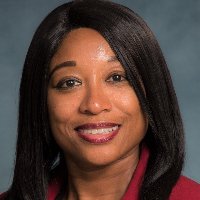
Georgia · 8 yrs exp
LPC counselor - anxiety and relationships
Stress, Anxiety · Relationship · Family · Grief · +11 more
Read profile
Illinois · 20 yrs exp
LCSW - Stress and Anxiety focused
Stress, Anxiety · Relationship · Parenting · Self esteem · +7 more
Read profile
Michigan · 20 yrs exp
LMSW - Stress and Anxiety support
Stress, Anxiety · Relationship · Self esteem · Family · +6 more
Read profile
Georgia · 12 yrs exp
LPC in Georgia - Stress and Anxiety
Stress, Anxiety · Anger · Self esteem · Depression · +13 more
Read profile
Kentucky · 18 yrs exp
LMFT - Relationships and Identity
LGBT · Relationship · Family · Self esteem · +14 more
Read profile
Florida · 10 yrs exp
LMHC LPC - Anxiety and Addictions
Stress, Anxiety · Addictions · Anger · Depression · +12 more
Read profile
Colorado · 15 yrs exp
LPC in Colorado - Relationships and Anxiety
Stress, Anxiety · Relationship · Intimacy-related issues · Self esteem · +10 more
Read profile
New Jersey · 5 yrs exp
Licensed Professional Counselor - Stress and Anxiety
Stress, Anxiety · Relationship · Family · Anger · +12 more
Read profile
Ohio · 3 yrs exp
LPCC in Ohio - CBT and client-centered work
Addictions · Family · Anger · Depression · +6 more
Read profile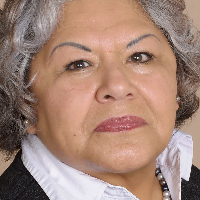
Nevada · 3 yrs exp
LCSW - Anxiety and relationship concerns
Stress, Anxiety · Relationship · Family · Trauma and abuse · +11 more
Read profile
California · 12 yrs exp
Licensed Marriage and Family Therapist - Anxiety and Relationships
Stress, Anxiety · Family · Parenting · Self esteem · +8 more
Read profile
Florida · 25 yrs exp
LMHC - Anxiety and Depression focus
Stress, Anxiety · Family · Grief · Self esteem · +12 more
Read profile
Michigan · 5 yrs exp
Licensed Professional Counselor - Stress and Anxiety
Stress, Anxiety · Relationship · Family · Self esteem · +12 more
Read profile
New York · 15 yrs exp
LCPC LMHC - Stress and Anxiety
Stress, Anxiety · Trauma and abuse · Grief · Self esteem · +16 more
Read profile
Pennsylvania · 12 yrs exp
Licensed counselor - anxiety and relationships
Stress, Anxiety · Relationship · Self esteem · Depression · +11 more
Read profile
Florida · 26 yrs exp
LMHC - Depression and Anxiety Focus
Relationship · Grief · Self esteem · Depression · +13 more
Read profile
Missouri · 16 yrs exp
LCSW - Stress and mood concerns
Stress, Anxiety · Trauma and abuse · Self esteem · Bipolar · +12 more
Read profile
North Carolina · 10 yrs exp
LCSW therapist - anxiety and relationships
Stress, Anxiety · Relationship · Family · Bipolar · +16 more
Read profile
Texas · 17 yrs exp
Licensed Professional Counselor - Stress and Anxiety
Stress, Anxiety · Family · Depression · Coping with life changes · +12 more
Read profile
Oregon · 14 yrs exp
Licensed Professional Counselor - Anxiety and Depression
Grief · Self esteem · Career · Depression · +8 more
Read profile
Missouri · 7 yrs exp
Licensed Professional Counselor - Anxiety and Addictions
Stress, Anxiety · Addictions · Relationship · Self esteem · +13 more
Read profile
Florida · 17 yrs exp
LMHC - Relationships and Addictions
Stress, Anxiety · Addictions · Relationship · Family · +14 more
Read profile
Texas · 10 yrs exp
LPC in Texas - Anxiety and Relationship support
Stress, Anxiety · Relationship · Family · Depression · +14 more
Read profile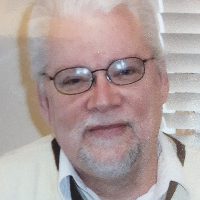
Michigan · 45 yrs exp
Licensed Counselor - Anxiety and Addictions
Stress, Anxiety · Addictions · Trauma and abuse · Grief · +10 more
Read profile
Wisconsin · 8 yrs exp
LPC in Wisconsin - relationships and anxiety
Relationship · Intimacy-related issues · Coping with life changes · Stress, Anxiety · +8 more
Read profile
Texas · 11 yrs exp
Licensed Professional Counselor - Anxiety and Relationships
Stress, Anxiety · Relationship · Family · Parenting · +9 more
Read profile
Texas · 12 yrs exp
Texas LPC - Mood and trauma support
Stress, Anxiety · Self esteem · Career · Depression · +9 more
Read profile
Texas · 10 yrs exp
Licensed Professional Counselor - Relationships and Family
Relationship · Family · Anger · Self esteem · +12 more
Read profile
Florida · 14 yrs exp
Florida LMHC - Anxiety and Relationships
Stress, Anxiety · Trauma and abuse · Bipolar · Depression · +16 more
Read profile
Texas · 13 yrs exp
Licensed counselor and family therapist - relationships and addiction
Stress, Anxiety · LGBT · Relationship · Trauma and abuse · +12 more
Read profile
Florida · 13 yrs exp
Licensed counselor - anxiety and mood
Stress, Anxiety · Anger · Depression · Coping with life changes · +13 more
Read profile
Minnesota · 23 yrs exp
Licensed Marriage and Family Therapist - Stress and Relationships
Stress, Anxiety · Relationship · Trauma and abuse · Self esteem · +13 more
Read profile
New Jersey · 10 yrs exp
Licensed Clinical Social Worker - Anxiety and Trauma
Stress, Anxiety · Family · Trauma and abuse · Self esteem · +3 more
Read profile
Pennsylvania · 16 yrs exp
Licensed Professional Counselor - Anxiety and Relationships
Stress, Anxiety · Relationship · Family · Trauma and abuse · +11 more
Read profile
Florida · 30 yrs exp
LMHC - CBT and practical skills
Stress, Anxiety · Trauma and abuse · Bipolar · Depression · +16 more
Read profile
Louisiana · 16 yrs exp
LCSW - Anxiety and Relationship Concerns
Stress, Anxiety · Relationship · Trauma and abuse · Bipolar · +16 more
Read profile
Louisiana · 22 yrs exp
Licensed LMFT LPC - Anxiety and Relationships
Stress, Anxiety · Relationship · Family · Grief · +11 more
Read profile
Florida · 10 yrs exp
Licensed Clinical Social Worker - Stress and Relationships
Stress, Anxiety · Addictions · Family · Grief · +8 more
Read profile
Texas · 20 yrs exp
LPC in Texas - anxiety and life transitions
Family · Grief · Parenting · Self esteem · +7 more
Read profile
Michigan · 15 yrs exp
LPC in Michigan - anxiety and life changes
Stress, Anxiety · Anger · Self esteem · Depression · +10 more
Read profile
North Carolina · 18 yrs exp
Dr Shelia Williamson Collins LPC LCPC - Mood and addiction support
Stress, Anxiety · Addictions · Trauma and abuse · Anger · +13 more
Read profileSelf-esteem is the set of beliefs and feelings you hold about your own worth, competence, and value. It shapes how you relate to others, the goals you set, the risks you take, and the stories you tell yourself about who you are. Low self-esteem can leave you second-guessing decisions, shrinking from opportunities, or tolerating treatment that undermines your needs. High self-esteem does not mean constant confidence; rather, it means having a stable sense of personal value that allows you to recover from setbacks and remain open to growth. Self-esteem is influenced by early relationships, cultural expectations, life events, and the small, repeated messages you receive about your worth. It also interacts with anxiety, shame, and mood. Because self-esteem is both cognitive and emotional, it shows up as thoughts, feelings, bodily sensations, and behavioral patterns, and it can change over time with intentional work.
When you understand self-esteem as a dynamic part of your inner life, it becomes clearer why therapy can help. Therapy offers a space to examine the patterns that maintain low self-regard, to practice new ways of thinking and interacting, and to build habits that support a more balanced self-view. You do not need to wait for a crisis to seek support; many people come to therapy when they notice recurring patterns that limit their satisfaction at work, in relationships, or in personal pursuits.
There are common indicators that your sense of self may be affecting your day-to-day functioning. You might find that you frequently compare yourself to others and feel diminished by those comparisons, or that you avoid new situations because you anticipate failure or rejection. Perfectionism that leads to chronic self-criticism and burnout is another common sign, as is an inner voice that labels your accomplishments as luck or minimizes your contributions. You may notice patterns in relationships - people-pleasing, difficulty asserting boundaries, or settling for less than you want because you doubt your right to ask for more. Difficulty accepting compliments, persistent feelings of shame, or repeated cycles of self-sabotage in work or personal goals can also point to self-esteem challenges.
Physical and emotional signs can accompany these patterns. You may experience tension, low mood, anxiety, trouble sleeping, or avoidance of social interactions. These reactions are understandable responses to an internal narrative that questions your worth. If these patterns cause you distress or limit your ability to pursue meaningful goals, therapy focused on self-esteem can offer practical strategies and new perspectives to shift those patterns over time.
When you begin therapy for self-esteem concerns, the early sessions typically involve assessment and collaborative goal-setting. Your therapist will ask about the thoughts, feelings, and behaviors that led you to seek help, and about the contexts in which those patterns appear. This helps you both clarify priorities and create a plan that fits your needs. Sessions often blend exploration of past experiences that shaped your self-image with practical skills aimed at changing daily habits. You can expect a mix of reflective conversation, behavioral experiments to try between sessions, and exercises that target self-critical thoughts and avoidance patterns.
Therapy for self-esteem tends to be gradual and skill-based. You might work on recognizing and challenging negative self-statements, learning to tolerate discomfort when asserting yourself, and practicing new ways of relating to others. Role-play, journaling, and values-clarification exercises are common elements. Your therapist may help you build a more compassionate inner voice so that setbacks become learning moments rather than final judgments on your worth. Progress often shows up first in small shifts - saying no to something you do not want to do, accepting a compliment without deflecting it, or trying a new activity despite fear - and those small changes compound into stronger self-regard over time.
Therapists use a range of approaches when working with self-esteem, and many combine methods to match your needs. You may encounter practitioners who list cognitive behavioral therapy among their approaches; this form focuses on identifying and restructuring unhelpful thoughts and on experimenting with new behaviors to change emotional responses. Cognitive strategies are useful when you notice persistent self-critical or all-or-nothing thinking patterns. You may also find therapists who list acceptance and commitment therapy among their approaches - this work helps you clarify personal values and take meaningful action even when uncomfortable thoughts or feelings are present.
Some therapists describe psychodynamic or relational approaches, which explore the early relationships and interpersonal patterns that shaped your self-image. This work often highlights recurring themes in current relationships and the ways attachment histories influence self-worth. Others may list narrative therapy among their approaches, helping you externalize harsh self-narratives and rewrite the stories that define you. There are also experiential and humanistic approaches that emphasize felt experience, creative expression, and the development of a kinder internal stance. If trauma experiences contribute to how you feel about yourself, you may notice therapists who list trauma-informed modalities or note that they incorporate stabilization and grounding techniques. When reviewing profiles, pay attention to the language therapists use to describe their approaches; phrasing that emphasizes collaboration, values, and skill-building can be particularly relevant for self-esteem work.
Online therapy delivers many of the same processes as in-person work - assessment, reflective conversation, skill practice, and feedback - but through video, phone, or messaging platforms. For self-esteem concerns, online formats can be especially convenient for practicing new behaviors in your daily environment, since you remain in familiar settings between sessions. Video sessions allow you and your therapist to observe nonverbal cues and to practice role-plays in a lifelike way. Messaging options can supplement sessions with brief check-ins or written exercises. information-sharing boundaries practices and technology settings vary, so look for platforms and practitioners that explain how sessions are conducted and how your data is handled. Online therapy can make it easier to find someone whose approach and background align with your needs, including language matches and clinicians who list particular therapeutic approaches.
Selecting a therapist is a personal and practical decision. Start by thinking about what matters most to you - do you want someone who emphasizes skills and homework, someone who explores early relationship patterns, or someone who blends both? Look for profiles that describe the therapist's approach in clear terms, noting phrases like cognitive work, values-focused strategies, relational exploration, or trauma-informed care. Consider credentials and areas of specialization as markers of training and focus, but remember that the working relationship matters more than specific labels. Language and cultural background can also be important if you want a therapist who understands your context. Reading profile descriptions for statements about collaboration, empathy, and the therapist's typical session structure will give insight into how they work.
When you contact a therapist, you can ask about their approach to self-esteem work, how they measure progress, and what kinds of homework or between-session practice they typically suggest. It is reasonable to inquire about their experience working with issues like perfectionism, people-pleasing, or relationship-related self-doubt. You do not need to commit to a long-term plan right away; many people start with a few sessions to see if the fit feels right. Trust your sense of whether the clinician's style and explanations resonate with you and whether the goals you discuss feel achievable and meaningful. Over time, the combination of a clear plan, practical practice, and a therapeutic relationship that feels respectful and challenging in healthy ways will support the steady rebuilding of your self-esteem.
Therapy for self-esteem is an investment in how you relate to yourself and to the world. With focused work, you can cultivate more reliable self-regard, make choices that reflect your values, and approach relationships and goals from a place of increased confidence. Use the listings above to explore clinicians who describe work with self-esteem, review their approaches and languages, and read further to decide who might be a good match for the kind of growth you want.
Alabama
134 therapists
Alaska
18 therapists
Arizona
114 therapists
Arkansas
67 therapists
Australia
138 therapists
California
590 therapists
Colorado
188 therapists
Connecticut
63 therapists
Delaware
19 therapists
District of Columbia
24 therapists
Florida
979 therapists
Georgia
291 therapists
Hawaii
27 therapists
Idaho
47 therapists
Illinois
294 therapists
Indiana
136 therapists
Iowa
40 therapists
Kansas
68 therapists
Kentucky
108 therapists
Louisiana
170 therapists
Maine
40 therapists
Maryland
114 therapists
Massachusetts
91 therapists
Michigan
320 therapists
Minnesota
93 therapists
Mississippi
90 therapists
Missouri
232 therapists
Montana
54 therapists
Nebraska
35 therapists
Nevada
47 therapists
New Hampshire
23 therapists
New Jersey
182 therapists
New Mexico
52 therapists
New York
351 therapists
North Carolina
348 therapists
North Dakota
11 therapists
Ohio
216 therapists
Oklahoma
127 therapists
Oregon
67 therapists
Pennsylvania
281 therapists
Rhode Island
15 therapists
South Carolina
169 therapists
South Dakota
18 therapists
Tennessee
139 therapists
Texas
898 therapists
United Kingdom
912 therapists
Utah
67 therapists
Vermont
13 therapists
Virginia
179 therapists
Washington
120 therapists
West Virginia
29 therapists
Wisconsin
128 therapists
Wyoming
24 therapists