
Velma Jones
LCSWNew York · 29 yrs exp
LCSW in New York - Mood and relationship work
Stress, Anxiety · Relationship · Trauma and abuse · Depression · +10 more
Read profileTherapist listings are provided by BetterHelp. We will earn a commission at no additional cost to you if you use our links to purchase.
This page highlights therapists who work with trauma and abuse. You can browse profiles below to review approaches, credentials, languages, and areas of focus.
Use the listings to explore practitioners whose experience aligns with your needs and to learn more about common therapeutic paths forward.
New York · 29 yrs exp
LCSW in New York - Mood and relationship work
Stress, Anxiety · Relationship · Trauma and abuse · Depression · +10 more
Read profile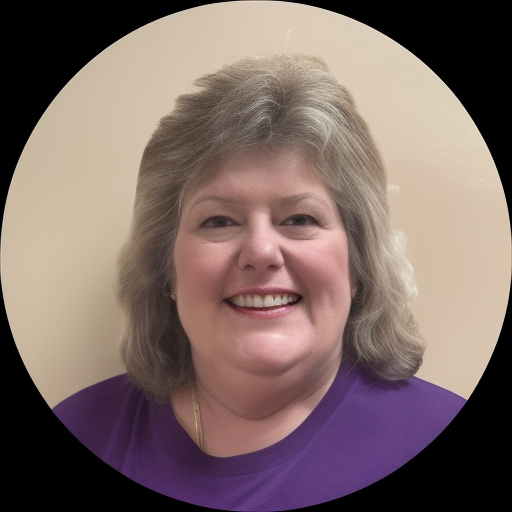
Florida · 14 yrs exp
Marsha Oxamendi LCSW - Anxiety and Stress
Stress, Anxiety · Grief · Anger · Self esteem · +12 more
Read profile
Michigan · 25 yrs exp
Licensed Professional Counselor - Stress and Anxiety
Stress, Anxiety · LGBT · Relationship · Grief · +10 more
Read profile
Illinois · 17 yrs exp
LCSW - trauma and mood support
Trauma and abuse · Coping with life changes · Stress, Anxiety · Relationship · +9 more
Read profile
South Carolina · 16 yrs exp
Licensed MFT - Relationships and Anxiety
Stress, Anxiety · Relationship · Family · Parenting · +14 more
Read profile
Florida · 20 yrs exp
LMHC - Addiction and stress care
Stress, Anxiety · Addictions · Relationship · Self esteem · +16 more
Read profile
Minnesota · 25 yrs exp
Licensed Professional Counselor - Stress and Anxiety
Stress, Anxiety · Relationship · Grief · Self esteem · +9 more
Read profile
Oregon · 17 yrs exp
Licensed Professional Counselor - Anxiety and Stress
Stress, Anxiety · Anger · Self esteem · Career · +12 more
Read profile
New York · 24 yrs exp
LCSW in New York - anxiety and depression
Stress, Anxiety · Relationship · Anger · Self esteem · +12 more
Read profile
Florida · 39 yrs exp
Stress, Anxiety · Relationship · Family · Parenting · +14 more
Read profile
Kansas · 12 yrs exp
LCMFT in Kansas - Relationships and Anxiety
Stress, Anxiety · Relationship · Intimacy-related issues · Depression · +13 more
Read profile
North Carolina · 51 yrs exp
Licensed counselor - relationships and mood
Relationship · Intimacy-related issues · Parenting · Self esteem · +12 more
Read profile
New York · 11 yrs exp
Licensed Mental Health Counselor - Stress and Anxiety
Stress, Anxiety · Anger · Bipolar · Depression · +11 more
Read profile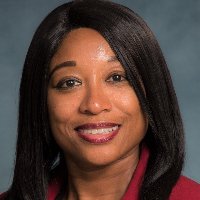
Georgia · 8 yrs exp
LPC counselor - anxiety and relationships
Stress, Anxiety · Relationship · Family · Grief · +11 more
Read profile
Michigan · 20 yrs exp
LMSW - Stress and Anxiety support
Stress, Anxiety · Relationship · Self esteem · Family · +6 more
Read profile
Georgia · 12 yrs exp
LPC in Georgia - Stress and Anxiety
Stress, Anxiety · Anger · Self esteem · Depression · +13 more
Read profile
Kentucky · 18 yrs exp
LMFT - Relationships and Identity
LGBT · Relationship · Family · Self esteem · +14 more
Read profile
Florida · 10 yrs exp
LMHC LPC - Anxiety and Addictions
Stress, Anxiety · Addictions · Anger · Depression · +12 more
Read profile
Colorado · 15 yrs exp
LPC in Colorado - Relationships and Anxiety
Stress, Anxiety · Relationship · Intimacy-related issues · Self esteem · +10 more
Read profile
New Jersey · 5 yrs exp
Licensed Professional Counselor - Stress and Anxiety
Stress, Anxiety · Relationship · Family · Anger · +12 more
Read profile
Ohio · 3 yrs exp
LPCC in Ohio - CBT and client-centered work
Addictions · Family · Anger · Depression · +6 more
Read profile
Nevada · 3 yrs exp
LCSW - Anxiety and relationship concerns
Stress, Anxiety · Relationship · Family · Trauma and abuse · +11 more
Read profile
Florida · 25 yrs exp
LMHC - Anxiety and Depression focus
Stress, Anxiety · Family · Grief · Self esteem · +12 more
Read profile
Michigan · 5 yrs exp
Licensed Professional Counselor - Stress and Anxiety
Stress, Anxiety · Relationship · Family · Self esteem · +12 more
Read profile
New York · 15 yrs exp
LCPC LMHC - Stress and Anxiety
Stress, Anxiety · Trauma and abuse · Grief · Self esteem · +16 more
Read profile
Missouri · 16 yrs exp
LCSW - Stress and mood concerns
Stress, Anxiety · Trauma and abuse · Self esteem · Bipolar · +12 more
Read profile
North Carolina · 10 yrs exp
LCSW therapist - anxiety and relationships
Stress, Anxiety · Relationship · Family · Bipolar · +16 more
Read profile
Texas · 17 yrs exp
Licensed Professional Counselor - Stress and Anxiety
Stress, Anxiety · Family · Depression · Coping with life changes · +12 more
Read profile
Oregon · 14 yrs exp
Licensed Professional Counselor - Anxiety and Depression
Grief · Self esteem · Career · Depression · +8 more
Read profile
Missouri · 7 yrs exp
Licensed Professional Counselor - Anxiety and Addictions
Stress, Anxiety · Addictions · Relationship · Self esteem · +13 more
Read profile
Florida · 17 yrs exp
LMHC - Relationships and Addictions
Stress, Anxiety · Addictions · Relationship · Family · +14 more
Read profile
Texas · 10 yrs exp
LPC in Texas - Anxiety and Relationship support
Stress, Anxiety · Relationship · Family · Depression · +14 more
Read profile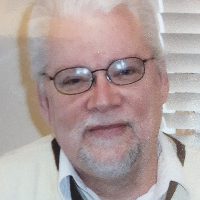
Michigan · 45 yrs exp
Licensed Counselor - Anxiety and Addictions
Stress, Anxiety · Addictions · Trauma and abuse · Grief · +10 more
Read profile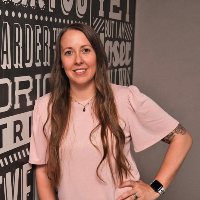
Wisconsin · 8 yrs exp
LPC in Wisconsin - relationships and anxiety
Relationship · Intimacy-related issues · Coping with life changes · Stress, Anxiety · +8 more
Read profile
Texas · 11 yrs exp
Licensed Professional Counselor - Anxiety and Relationships
Stress, Anxiety · Relationship · Family · Parenting · +9 more
Read profile
Texas · 12 yrs exp
Texas LPC - Mood and trauma support
Stress, Anxiety · Self esteem · Career · Depression · +9 more
Read profile
Texas · 10 yrs exp
Licensed Professional Counselor - Relationships and Family
Relationship · Family · Anger · Self esteem · +12 more
Read profile
Florida · 14 yrs exp
Florida LMHC - Anxiety and Relationships
Stress, Anxiety · Trauma and abuse · Bipolar · Depression · +16 more
Read profile
Texas · 13 yrs exp
Licensed counselor and family therapist - relationships and addiction
Stress, Anxiety · LGBT · Relationship · Trauma and abuse · +12 more
Read profile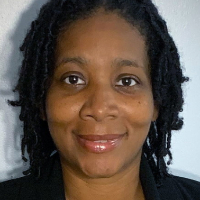
Florida · 13 yrs exp
Licensed counselor - anxiety and mood
Stress, Anxiety · Anger · Depression · Coping with life changes · +13 more
Read profile
Minnesota · 23 yrs exp
Licensed Marriage and Family Therapist - Stress and Relationships
Stress, Anxiety · Relationship · Trauma and abuse · Self esteem · +13 more
Read profile
New Jersey · 10 yrs exp
Licensed Clinical Social Worker - Anxiety and Trauma
Stress, Anxiety · Family · Trauma and abuse · Self esteem · +3 more
Read profile
Pennsylvania · 16 yrs exp
Licensed Professional Counselor - Anxiety and Relationships
Stress, Anxiety · Relationship · Family · Trauma and abuse · +11 more
Read profile
Florida · 30 yrs exp
LMHC - CBT and practical skills
Stress, Anxiety · Trauma and abuse · Bipolar · Depression · +16 more
Read profile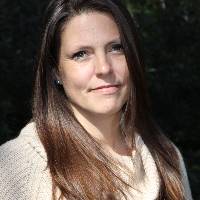
Louisiana · 16 yrs exp
LCSW - Anxiety and Relationship Concerns
Stress, Anxiety · Relationship · Trauma and abuse · Bipolar · +16 more
Read profile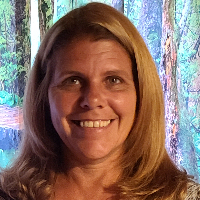
South Carolina · 10 yrs exp
LISW-CP - Anxiety and Relationship work
Stress, Anxiety · Relationship · Family · Trauma and abuse · +1 more
Read profile
Louisiana · 22 yrs exp
Licensed LMFT LPC - Anxiety and Relationships
Stress, Anxiety · Relationship · Family · Grief · +11 more
Read profile
Florida · 10 yrs exp
Licensed Clinical Social Worker - Stress and Relationships
Stress, Anxiety · Addictions · Family · Grief · +8 more
Read profile
Texas · 20 yrs exp
LPC in Texas - anxiety and life transitions
Family · Grief · Parenting · Self esteem · +7 more
Read profile
Michigan · 15 yrs exp
LPC in Michigan - anxiety and life changes
Stress, Anxiety · Anger · Self esteem · Depression · +10 more
Read profile
North Carolina · 18 yrs exp
Dr Shelia Williamson Collins LPC LCPC - Mood and addiction support
Stress, Anxiety · Addictions · Trauma and abuse · Anger · +13 more
Read profile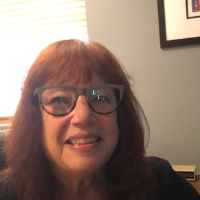
New York · 30 yrs exp
LCSW in New York - Relationships and Anxiety
Stress, Anxiety · Relationship · Parenting · Self esteem · +11 more
Read profile
Michigan · 21 yrs exp
LMSW - Stress and relationship concerns
Stress, Anxiety · Relationship · Family · Bipolar · +14 more
Read profile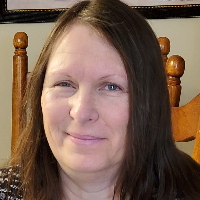
Virginia · 19 yrs exp
Licensed Professional Counselor - Anxiety and Life Changes
Stress, Anxiety · Grief · Self esteem · Depression · +11 more
Read profile
New York · 10 yrs exp
LCSW - Anxiety and relationship concerns
Stress, Anxiety · Relationship · Family · Grief · +12 more
Read profile
Texas · 24 yrs exp
LPC in Texas - anxiety and life transitions
Stress, Anxiety · LGBT · Trauma and abuse · Career · +11 more
Read profile
Indiana · 11 yrs exp
LCSW - anxiety and life changes
Stress, Anxiety · Grief · Depression · Coping with life changes · +8 more
Read profile
South Dakota · 12 yrs exp
Licensed counselor - Anxiety and relationships
Stress, Anxiety · Relationship · Family · Trauma and abuse · +13 more
Read profile
Michigan · 26 yrs exp
LMSW - Anxiety and Depression
Stress, Anxiety · Trauma and abuse · Self esteem · Depression · +16 more
Read profile
Arizona · 30 yrs exp
LPC counselor - stress and trauma
Stress, Anxiety · Trauma and abuse · Self esteem · Career · +11 more
Read profileTrauma and abuse refer to experiences that overwhelm your ability to cope, whether from a single frightening event or repeated harm over time. Trauma can come from many sources - accidents, violence, medical events, natural disasters, or childhood experiences of neglect and harm. Abuse is often interpersonal and can include emotional, physical, sexual, or financial mistreatment. You may have a mix of reactions that affect your mood, relationships, sense of self, and daily functioning.
The effects of trauma and abuse are varied and personal. Some people notice intense memories or flashbacks, while others feel numb or disconnected. Sleep can be disrupted, concentration can suffer, and everyday stresses can feel amplified. Trauma can change the way you see yourself and the world, making it harder to trust or to feel safe in relationships. Because responses differ, therapy often begins with a careful conversation about how your history shows up now and what you most want to change.
You might benefit from focused support if you experience persistent anxiety, irritability, or low mood that seems tied to memories or reminders of past harm. Repeated intrusive thoughts, flashbacks, or nightmares are common reasons people seek therapy. You may also notice avoidance - deliberately steering clear of people, places, or topics that trigger distress - or find that everyday worries have become overwhelming without a clear cause.
Physical symptoms such as headaches, changes in appetite, or chronic tension can be linked to unresolved trauma. You might use substances or other coping strategies to numb memories or emotions, or find yourself in patterns of relationship conflict that echo earlier harm. If reactions are interfering with work, study, parenting, or relationships, targeted therapeutic work can help you build different patterns and responses.
Trauma and abuse can shape how you relate to others and how you experience self-worth. You may struggle with trust, feel detached from loved ones, or wrestle with guilt and shame. Therapy can provide space to explore how past experiences influence present choices, and to develop new ways of connecting and asserting boundaries that reflect your values and safety needs.
Early sessions often involve building a supportive working relationship and mapping out your concerns, strengths, and goals. Your therapist may ask about the nature of the events that led you here, how you cope now, and what feels most urgent. A common early focus is establishing strategies to manage distress so that you feel able to engage in deeper work when you are ready.
Therapy for trauma and abuse is rarely a one-size-fits-all process. Sessions may include talk-based exploration of memories and meanings, skill-building to regulate emotions, and work to change patterns that keep you stuck. Progress is often gradual. Some people begin with stabilization and coping skills, then move into processing difficult memories and rebuilding a sense of agency. Your therapist should explain the approach they use and invite your input about pace and focus.
You and your therapist may set short-term goals, such as reducing panic attacks or improving sleep, and longer-term aims like restoring healthier relationships. Therapy can shift how you relate to past events so that memories become less disruptive. As you notice changes, sessions may shift toward maintaining gains and applying new skills to challenges as they arise.
There are several approaches that therapists commonly use with people healing from trauma and abuse. Some therapists describe work that focuses on processing painful memories and integrating them into your life story. Others emphasize body-based or movement approaches that attend to how stress is held in musculature and breath. You will also find therapists who describe cognitive and behavioral methods that help you identify and change unhelpful thinking patterns and avoidance behaviors. When you review profiles, note that therapists list different approaches; this indicates how they say they work rather than a credentialed status.
Exposure-based strategies are sometimes used to help memories or reminders lose their power over you, while meaning-focused work helps you reconnect with values and identity after harm. Some therapists mention internal systems work as a way to explore inner parts that hold different emotions and protective strategies. If you are curious about a specific modality, look for profiles where therapists list that approach and read how they describe using it with trauma. You can ask practitioners how they apply those ideas to situations like yours during an initial conversation.
Online therapy can offer flexibility in session format while preserving many core elements of in-person work. Sessions typically take place through video or phone calls and sometimes through messaging exchanges. Video sessions allow visual cues and a sense of face-to-face connection, which many people find helpful when describing emotions and interactions. If technology is a barrier, audio-only sessions can still provide meaningful therapeutic contact. When you consider online options, think about how comfortable you feel discussing sensitive topics in your current setting and whether you can arrange a consistent, interruption-free space for sessions.
Many people find online therapy expands access to clinicians with specific experience or language skills that might not be available locally. The practical logistics of scheduling and payment are part of what you will determine with a therapist. Because trauma work often involves deep material, discuss with any therapist how they manage moments of high distress during remote sessions and what supports they recommend between appointments. Clear communication about session format, privacy safeguards, and emergency planning can help you feel more grounded in the process.
Start by considering the kinds of experiences you want to address and whether a therapist highlights work with similar situations. Look for language in profiles that aligns with your needs - for example, attention to childhood trauma, complex abuse histories, intimate partner violence, or medical/accident-related trauma. Also note practitioner language about working with particular populations or cultural backgrounds if that matters to you.
Think about the therapeutic approaches that feel most acceptable to you. If you prefer a body-informed path, look for therapists who mention somatic approaches among their methods. If you want structured skill-building, consider those who list cognitive and behavioral strategies. Remember that when a therapist lists an approach it indicates it is part of how they describe their work. Practicalities such as session length, language, fees, and whether they work online or in-person can influence fit, so pay attention to those details on profiles.
Therapeutic change depends heavily on the relationship you build with your clinician. You should feel heard and treated with respect. It is appropriate to ask questions about how a therapist approaches trauma, what a typical session looks like, and how they support clients during difficult moments. Many people find an initial conversation helpful for gauging rapport and clarifying expectations. Trust your sense of whether a therapist understands your goals and whether their style aligns with how you like to work.
Finding the right therapist can take time, but knowing what matters to you - the focus areas, approaches, cultural fit, and session format - helps narrow the search. Use the listings below to read profiles, compare approaches, and identify practitioners to contact for an introductory conversation. Your path to healing is personal, and the right match can help you move toward a more manageable relationship with the past and a clearer sense of what you want next.
Alabama
134 therapists
Alaska
18 therapists
Arizona
114 therapists
Arkansas
67 therapists
Australia
138 therapists
California
590 therapists
Colorado
188 therapists
Connecticut
63 therapists
Delaware
19 therapists
District of Columbia
24 therapists
Florida
979 therapists
Georgia
291 therapists
Hawaii
27 therapists
Idaho
47 therapists
Illinois
294 therapists
Indiana
136 therapists
Iowa
40 therapists
Kansas
68 therapists
Kentucky
108 therapists
Louisiana
170 therapists
Maine
40 therapists
Maryland
114 therapists
Massachusetts
91 therapists
Michigan
320 therapists
Minnesota
93 therapists
Mississippi
90 therapists
Missouri
232 therapists
Montana
54 therapists
Nebraska
35 therapists
Nevada
47 therapists
New Hampshire
23 therapists
New Jersey
182 therapists
New Mexico
52 therapists
New York
351 therapists
North Carolina
348 therapists
North Dakota
11 therapists
Ohio
216 therapists
Oklahoma
127 therapists
Oregon
67 therapists
Pennsylvania
281 therapists
Rhode Island
15 therapists
South Carolina
169 therapists
South Dakota
18 therapists
Tennessee
139 therapists
Texas
898 therapists
United Kingdom
912 therapists
Utah
67 therapists
Vermont
13 therapists
Virginia
179 therapists
Washington
120 therapists
West Virginia
29 therapists
Wisconsin
128 therapists
Wyoming
24 therapists