
Velma Jones
LCSWNew York · 29 yrs exp
LCSW in New York - Mood and relationship work
Stress, Anxiety · Relationship · Trauma and abuse · Depression · +10 more
Read profileTherapist listings are provided by BetterHelp. We will earn a commission at no additional cost to you if you use our links to purchase.
On this page you will find therapists who list panic disorder and panic attacks among their specialties. Browse the profiles below to review approaches, credentials, languages and areas of focus before contacting anyone.
New York · 29 yrs exp
LCSW in New York - Mood and relationship work
Stress, Anxiety · Relationship · Trauma and abuse · Depression · +10 more
Read profile
Michigan · 25 yrs exp
Licensed Professional Counselor - Stress and Anxiety
Stress, Anxiety · LGBT · Relationship · Grief · +10 more
Read profile
South Carolina · 16 yrs exp
Licensed MFT - Relationships and Anxiety
Stress, Anxiety · Relationship · Family · Parenting · +14 more
Read profile
Florida · 20 yrs exp
LMHC - Addiction and stress care
Stress, Anxiety · Addictions · Relationship · Self esteem · +16 more
Read profile
Minnesota · 25 yrs exp
Licensed Professional Counselor - Stress and Anxiety
Stress, Anxiety · Relationship · Grief · Self esteem · +9 more
Read profile
Texas · 25 yrs exp
LPC in Texas - stress and relationship focus
Stress, Anxiety · Relationship · Parenting · Anger · +8 more
Read profile
New York · 24 yrs exp
LCSW in New York - anxiety and depression
Stress, Anxiety · Relationship · Anger · Self esteem · +12 more
Read profile
Kansas · 12 yrs exp
LCMFT in Kansas - Relationships and Anxiety
Stress, Anxiety · Relationship · Intimacy-related issues · Depression · +13 more
Read profile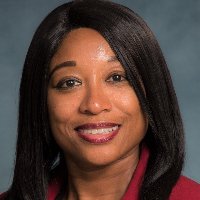
Georgia · 8 yrs exp
LPC counselor - anxiety and relationships
Stress, Anxiety · Relationship · Family · Grief · +11 more
Read profile
Colorado · 15 yrs exp
LPC in Colorado - Relationships and Anxiety
Stress, Anxiety · Relationship · Intimacy-related issues · Self esteem · +10 more
Read profile
Florida · 25 yrs exp
LMHC - Anxiety and Depression focus
Stress, Anxiety · Family · Grief · Self esteem · +12 more
Read profile
Michigan · 5 yrs exp
Licensed Professional Counselor - Stress and Anxiety
Stress, Anxiety · Relationship · Family · Self esteem · +12 more
Read profile
Pennsylvania · 12 yrs exp
Licensed counselor - anxiety and relationships
Stress, Anxiety · Relationship · Self esteem · Depression · +11 more
Read profile
Florida · 26 yrs exp
LMHC - Depression and Anxiety Focus
Relationship · Grief · Self esteem · Depression · +13 more
Read profile
Missouri · 16 yrs exp
LCSW - Stress and mood concerns
Stress, Anxiety · Trauma and abuse · Self esteem · Bipolar · +12 more
Read profile
North Carolina · 10 yrs exp
LCSW therapist - anxiety and relationships
Stress, Anxiety · Relationship · Family · Bipolar · +16 more
Read profile
Texas · 17 yrs exp
Licensed Professional Counselor - Stress and Anxiety
Stress, Anxiety · Family · Depression · Coping with life changes · +12 more
Read profile
Missouri · 7 yrs exp
Licensed Professional Counselor - Anxiety and Addictions
Stress, Anxiety · Addictions · Relationship · Self esteem · +13 more
Read profile
Florida · 17 yrs exp
LMHC - Relationships and Addictions
Stress, Anxiety · Addictions · Relationship · Family · +14 more
Read profile
Texas · 10 yrs exp
LPC in Texas - Anxiety and Relationship support
Stress, Anxiety · Relationship · Family · Depression · +14 more
Read profile
Michigan · 45 yrs exp
Licensed Counselor - Anxiety and Addictions
Stress, Anxiety · Addictions · Trauma and abuse · Grief · +10 more
Read profile
Texas · 11 yrs exp
Licensed Professional Counselor - Anxiety and Relationships
Stress, Anxiety · Relationship · Family · Parenting · +9 more
Read profile
Florida · 14 yrs exp
Florida LMHC - Anxiety and Relationships
Stress, Anxiety · Trauma and abuse · Bipolar · Depression · +16 more
Read profile
Texas · 13 yrs exp
Licensed counselor and family therapist - relationships and addiction
Stress, Anxiety · LGBT · Relationship · Trauma and abuse · +12 more
Read profile
Minnesota · 23 yrs exp
Licensed Marriage and Family Therapist - Stress and Relationships
Stress, Anxiety · Relationship · Trauma and abuse · Self esteem · +13 more
Read profile
Florida · 30 yrs exp
LMHC - CBT and practical skills
Stress, Anxiety · Trauma and abuse · Bipolar · Depression · +16 more
Read profile
Louisiana · 16 yrs exp
LCSW - Anxiety and Relationship Concerns
Stress, Anxiety · Relationship · Trauma and abuse · Bipolar · +16 more
Read profile
South Carolina · 10 yrs exp
LISW-CP - Anxiety and Relationship work
Stress, Anxiety · Relationship · Family · Trauma and abuse · +1 more
Read profile
Florida · 10 yrs exp
Licensed Clinical Social Worker - Stress and Relationships
Stress, Anxiety · Addictions · Family · Grief · +8 more
Read profile
Florida · 13 yrs exp
LMHC in Florida - stress and anxiety focus
Stress, Anxiety · Self esteem · Career · Depression · +3 more
Read profile
Michigan · 21 yrs exp
LMSW - Stress and relationship concerns
Stress, Anxiety · Relationship · Family · Bipolar · +14 more
Read profile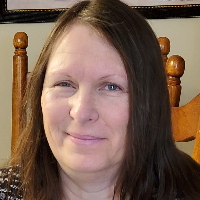
Virginia · 19 yrs exp
Licensed Professional Counselor - Anxiety and Life Changes
Stress, Anxiety · Grief · Self esteem · Depression · +11 more
Read profile
Louisiana · 10 yrs exp
Licensed counselor - anxiety and life changes
Stress, Anxiety · Grief · Anger · Depression · +8 more
Read profile
Texas · 24 yrs exp
LPC in Texas - anxiety and life transitions
Stress, Anxiety · LGBT · Trauma and abuse · Career · +11 more
Read profile
Arizona · 30 yrs exp
LPC counselor - stress and trauma
Stress, Anxiety · Trauma and abuse · Self esteem · Career · +11 more
Read profile
Pennsylvania · 9 yrs exp
LPC in Pennsylvania - Stress and Relationship Help
Stress, Anxiety · Grief · Parenting · Self esteem · +11 more
Read profile
Florida · 22 yrs exp
LCSW - Anxiety and Depression support
Stress, Anxiety · Self esteem · Depression · Coping with life changes · +5 more
Read profile
New Jersey · 8 yrs exp
LCSW - Anxiety and Mood Concerns
Stress, Anxiety · Relationship · Trauma and abuse · Bipolar · +14 more
Read profile
Florida · 10 yrs exp
LMHC - Anxiety and Parenting
Stress, Anxiety · Family · Parenting · Self esteem · +10 more
Read profile
Texas · 33 yrs exp
Licensed Clinical Social Worker - Relationships and Stress
Stress, Anxiety · Relationship · Family · Self esteem · +11 more
Read profile
Ohio · 20 yrs exp
Ohio LISW - Anxiety and Stress focus
Stress, Anxiety · LGBT · Family · Grief · +16 more
Read profile
Virginia · 13 yrs exp
LPC in Virginia - Anxiety and Stress
Stress, Anxiety · Anger · Self esteem · Depression · +9 more
Read profile
North Carolina · 25 yrs exp
Licensed counselor - anxiety and trauma
Stress, Anxiety · Addictions · Family · Trauma and abuse · +11 more
Read profile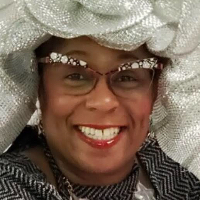
Michigan · 24 yrs exp
LCSW counselor - Stress and addiction care
Stress, Anxiety · Addictions · Relationship · Family · +1 more
Read profile
Illinois · 38 yrs exp
Illinois LCPC - Stress and Anxiety
Stress, Anxiety · Self esteem · Depression · Coping with life changes · +9 more
Read profile
Florida · 32 yrs exp
LMHC in Florida - Mood and relationship concerns
Stress, Anxiety · Relationship · Trauma and abuse · Bipolar · +8 more
Read profile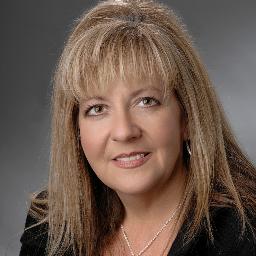
Kansas · 17 yrs exp
Licensed counselor - anxiety and relationships
Stress, Anxiety · Relationship · Family · Anger · +10 more
Read profile
North Carolina · 10 yrs exp
LCSW in North Carolina - Stress and Trauma
Stress, Anxiety · Family · Parenting · Anger · +8 more
Read profile
North Carolina · 30 yrs exp
LCMHC counselor - anxiety and life transitions
Stress, Anxiety · Addictions · LGBT · Trauma and abuse · +1 more
Read profile
New Jersey · 10 yrs exp
LMHC and LPC - Relationships and Anxiety
Stress, Anxiety · Relationship · Family · Parenting · +4 more
Read profile
Iowa · 9 yrs exp
Licensed Independent Social Worker - Relationships and Stress
Stress, Anxiety · Relationship · Family · Trauma and abuse · +8 more
Read profile
Texas · 14 yrs exp
Licensed Professional Counselor - Anxiety and Stress
Stress, Anxiety · Anger · Depression · ADHD · +7 more
Read profile
Florida · 20 yrs exp
Licensed Mental Health Counselor - Stress and Anxiety
Stress, Anxiety · Relationship · Grief · Self esteem · +1 more
Read profile
Georgia · 27 yrs exp
Licensed counselor - anxiety and mood concerns
Stress, Anxiety · Trauma and abuse · Bipolar · Depression · +16 more
Read profile
Massachusetts · 20 yrs exp
LICSW - Stress and life changes
Stress, Anxiety · Self esteem · Career · Depression · +11 more
Read profile
North Carolina · 20 yrs exp
Licensed counselor - Addiction and anxiety
Stress, Anxiety · Addictions · LGBT · Relationship · +1 more
Read profile
Indiana · 12 yrs exp
LCSW in Indiana - Anxiety and Depression
Stress, Anxiety · Trauma and abuse · Self esteem · Bipolar · +10 more
Read profile
North Carolina · 20 yrs exp
LPC, LCMHC - Anxiety and Addiction support
Stress, Anxiety · Parenting · Self esteem · Depression · +15 more
Read profile
South Carolina · 8 yrs exp
LPC - Anxiety and Trauma
Stress, Anxiety · Trauma and abuse · Self esteem · Depression · +16 more
Read profile
Ohio · 16 yrs exp
LPCC in Ohio - Stress and relationship concerns
Stress, Anxiety · Depression · Coping with life changes · Addictions · +11 more
Read profilePanic attacks are intense bursts of fear or discomfort that come on quickly and peak within minutes. You may experience a range of physical sensations such as racing heart, shortness of breath, dizziness, trembling and a strong urge to escape. When these episodes occur repeatedly and you begin to worry about having more attacks or change your behavior to avoid them, clinicians often describe that pattern as panic disorder. Panic can affect many parts of life - work, relationships, routines and your sense of safety - and it can make even ordinary tasks feel daunting. Each person's experience differs, and cultural background, life stressors and other mental health concerns can shape how panic shows up for you.
Because panic attacks are dramatic and distressing, they can produce a cycle in which fear of future attacks amplifies the very symptoms you are trying to avoid. That cycle may include avoiding certain places, skipping activities that once felt enjoyable or increasing reliance on substances to cope. Understanding panic as a pattern rather than a character flaw is an important first step toward getting help. Therapy focuses on breaking the pattern by changing how you understand and respond to panic symptoms.
You might consider therapy if panic attacks happen more than once, if they lead you to avoid places or activities, or if worry about future attacks interferes with your daily functioning. If panic causes persistent changes to your routines - for example, you stop exercising, reduce social contact or avoid leaving home - therapy can help you reclaim those areas of life. You may also find therapy useful if panic co-occurs with anxiety about health, difficulties sleeping, or low mood, since these concerns often interact and can maintain distress.
Therapy can be a helpful option whether you are looking to understand triggers, learn new ways to manage intense sensations, or rebuild confidence after repeated episodes. You do not need to wait until symptoms become unbearable. Early engagement in a therapeutic process can shorten the time you spend feeling restricted by panic and can give you practical tools to manage acute episodes when they arise. If you have questions about how panic relates to other health matters, a coordinated approach with medical providers can be part of your care plan.
Initial sessions typically involve a detailed conversation about your history of panic, current patterns, symptoms and how panic fits within your life. You and your therapist will explore triggers, situational and bodily signs, and the thoughts that follow an episode. This assessment helps shape specific, measurable goals - for example, reducing avoidance of a particular situation, managing the intensity of physical symptoms, or improving sleep and daily functioning. Sessions often include a mix of education, skill-building and gradual practice of coping strategies.
Therapy sessions may feel structured at times and more exploratory at others. You can expect to learn concrete techniques to manage acute panic - breathing strategies, grounding exercises and cognitive tools to challenge alarmed thinking. You may also work on exposures, which involve facing feared sensations or situations in a graded and supported way so that your nervous system can learn safety. Progress often comes step by step, and many people notice changes in how they interpret bodily sensations and in their willingness to reengage with life.
There are several common approaches that therapists list as relevant for panic disorder. Many therapists who list cognitive-behavioral therapy, including interoceptive exposure, emphasize identifying and changing the thinking patterns that escalate panic while directly approaching feared physical sensations. Therapists who list exposure-based approaches focus on gradual, repeated experience with feared situations or sensations so that learning takes place and fear diminishes over time. Some therapists list acceptance and commitment therapy among their approaches, which helps you clarify personal values and take meaningful action even when anxiety is present.
Other practitioners list mindfulness-based approaches that teach attention skills and a different relationship to bodily sensations and racing thoughts. You may also find therapists who list breathing retraining, relaxation training and stress management techniques among their approaches. A subset of therapists list EMDR among their approaches and may use it when panic is connected to traumatic memories. When medications are part of a person's plan, therapists often describe collaborating with prescribers to coordinate care while focusing on psychotherapy goals. The listings on this site indicate which approaches therapists include in their practice, but they do not serve as verification of specialized credentials.
Online therapy can make it easier to access therapists who list panic disorder and panic attacks among their specialties, particularly if you live in an area with fewer local options. Remote sessions usually take place via video calls, phone calls or messaging platforms. Many people find that virtual work translates well for skill teaching, exposure planning and real-time coaching during moments of distress, though some exposures may be designed to occur in your local environment and discussed or guided remotely. Before starting, you might ask about the therapist's approach to conducting exposure work online and how they handle intense moments that can arise during sessions.
When choosing a therapist, pay attention to how they describe their focus areas and approaches, whether they list experience with panic-related work and the languages they offer. Consider practical factors such as session length, session format and whether their stated approach aligns with how you prefer to work - for example, more skills-based and structured versus reflective and exploratory. Read therapist profiles to learn who lists particular therapeutic methods among their approaches, and look for clear descriptions of what a typical session looks like. You may prefer a therapist who mentions collaboration with medical providers if you want integrated care, or one who describes ways of supporting people with severe physical symptoms. Trust your instincts about fit; the working relationship often shapes the pace and effectiveness of change.
Ultimately, therapy for panic disorder is about gaining tools to respond differently to intense sensations and reclaiming activities that matter to you. Whether you pursue in-person or online sessions, the therapists listed on this page are organized so you can review their approaches, credentials and languages. Taking the first step to learn about options and to reach out for an introductory conversation can help you determine which therapist is the best match for your needs and goals.
Alabama
134 therapists
Alaska
18 therapists
Arizona
114 therapists
Arkansas
67 therapists
Australia
138 therapists
California
590 therapists
Colorado
188 therapists
Connecticut
63 therapists
Delaware
19 therapists
District of Columbia
24 therapists
Florida
979 therapists
Georgia
291 therapists
Hawaii
27 therapists
Idaho
47 therapists
Illinois
294 therapists
Indiana
136 therapists
Iowa
40 therapists
Kansas
68 therapists
Kentucky
108 therapists
Louisiana
170 therapists
Maine
40 therapists
Maryland
114 therapists
Massachusetts
91 therapists
Michigan
320 therapists
Minnesota
93 therapists
Mississippi
90 therapists
Missouri
232 therapists
Montana
54 therapists
Nebraska
35 therapists
Nevada
47 therapists
New Hampshire
23 therapists
New Jersey
182 therapists
New Mexico
52 therapists
New York
351 therapists
North Carolina
348 therapists
North Dakota
11 therapists
Ohio
216 therapists
Oklahoma
127 therapists
Oregon
67 therapists
Pennsylvania
281 therapists
Rhode Island
15 therapists
South Carolina
169 therapists
South Dakota
18 therapists
Tennessee
139 therapists
Texas
898 therapists
United Kingdom
912 therapists
Utah
67 therapists
Vermont
13 therapists
Virginia
179 therapists
Washington
120 therapists
West Virginia
29 therapists
Wisconsin
128 therapists
Wyoming
24 therapists