
Velma Jones
LCSWNew York · 29 yrs exp
LCSW in New York - Mood and relationship work
Stress, Anxiety · Relationship · Trauma and abuse · Depression · +10 more
Read profileTherapist listings are provided by BetterHelp. We will earn a commission at no additional cost to you if you use our links to purchase.
On this page you'll find therapists who list stress and anxiety among their specialties. Use the filters below to explore clinicians by approach, language, and experience. Browse the listings to learn more and identify a therapist who may suit your needs.
New York · 29 yrs exp
LCSW in New York - Mood and relationship work
Stress, Anxiety · Relationship · Trauma and abuse · Depression · +10 more
Read profile
Oklahoma · 21 yrs exp
LMFT - Relationships and Anxiety
Stress, Anxiety · Relationship · Family · Self esteem · +8 more
Read profile
Florida · 14 yrs exp
Marsha Oxamendi LCSW - Anxiety and Stress
Stress, Anxiety · Grief · Anger · Self esteem · +12 more
Read profile
Michigan · 25 yrs exp
Licensed Professional Counselor - Stress and Anxiety
Stress, Anxiety · LGBT · Relationship · Grief · +10 more
Read profile
Illinois · 17 yrs exp
LCSW - trauma and mood support
Trauma and abuse · Coping with life changes · Stress, Anxiety · Relationship · +9 more
Read profile
South Carolina · 16 yrs exp
Licensed MFT - Relationships and Anxiety
Stress, Anxiety · Relationship · Family · Parenting · +14 more
Read profile
Florida · 20 yrs exp
LMHC - Addiction and stress care
Stress, Anxiety · Addictions · Relationship · Self esteem · +16 more
Read profile
Hawaii · 16 yrs exp
Licensed Clinical Social Worker - Anxiety and Depression
Stress, Anxiety · Grief · Self esteem · Depression · +5 more
Read profile
Minnesota · 25 yrs exp
Licensed Professional Counselor - Stress and Anxiety
Stress, Anxiety · Relationship · Grief · Self esteem · +9 more
Read profile
Oregon · 17 yrs exp
Licensed Professional Counselor - Anxiety and Stress
Stress, Anxiety · Anger · Self esteem · Career · +12 more
Read profile
Texas · 25 yrs exp
LPC in Texas - stress and relationship focus
Stress, Anxiety · Relationship · Parenting · Anger · +8 more
Read profile
New York · 24 yrs exp
LCSW in New York - anxiety and depression
Stress, Anxiety · Relationship · Anger · Self esteem · +12 more
Read profile
Florida · 39 yrs exp
Stress, Anxiety · Relationship · Family · Parenting · +14 more
Read profile
Mississippi · 16 yrs exp
MS LPC - Relationships and Family
Stress, Anxiety · Relationship · Family · Parenting · +6 more
Read profile
Kansas · 12 yrs exp
LCMFT in Kansas - Relationships and Anxiety
Stress, Anxiety · Relationship · Intimacy-related issues · Depression · +13 more
Read profile
North Carolina · 51 yrs exp
Licensed counselor - relationships and mood
Relationship · Intimacy-related issues · Parenting · Self esteem · +12 more
Read profile
Texas · 11 yrs exp
LPC in Texas - Mood and anxiety care
Stress, Anxiety · Bipolar · Depression · Self esteem · +2 more
Read profile
New York · 11 yrs exp
Licensed Mental Health Counselor - Stress and Anxiety
Stress, Anxiety · Anger · Bipolar · Depression · +11 more
Read profile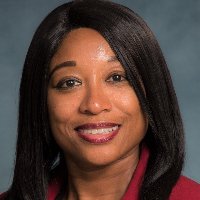
Georgia · 8 yrs exp
LPC counselor - anxiety and relationships
Stress, Anxiety · Relationship · Family · Grief · +11 more
Read profile
Illinois · 20 yrs exp
LCSW - Stress and Anxiety focused
Stress, Anxiety · Relationship · Parenting · Self esteem · +7 more
Read profile
Michigan · 20 yrs exp
LMSW - Stress and Anxiety support
Stress, Anxiety · Relationship · Self esteem · Family · +6 more
Read profile
Georgia · 12 yrs exp
LPC in Georgia - Stress and Anxiety
Stress, Anxiety · Anger · Self esteem · Depression · +13 more
Read profile
Kentucky · 18 yrs exp
LMFT - Relationships and Identity
LGBT · Relationship · Family · Self esteem · +14 more
Read profile
Florida · 10 yrs exp
LMHC LPC - Anxiety and Addictions
Stress, Anxiety · Addictions · Anger · Depression · +12 more
Read profile
Colorado · 15 yrs exp
LPC in Colorado - Relationships and Anxiety
Stress, Anxiety · Relationship · Intimacy-related issues · Self esteem · +10 more
Read profile
New Jersey · 5 yrs exp
Licensed Professional Counselor - Stress and Anxiety
Stress, Anxiety · Relationship · Family · Anger · +12 more
Read profile
Ohio · 3 yrs exp
LPCC in Ohio - CBT and client-centered work
Addictions · Family · Anger · Depression · +6 more
Read profile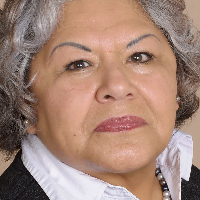
Nevada · 3 yrs exp
LCSW - Anxiety and relationship concerns
Stress, Anxiety · Relationship · Family · Trauma and abuse · +11 more
Read profile
California · 12 yrs exp
Licensed Marriage and Family Therapist - Anxiety and Relationships
Stress, Anxiety · Family · Parenting · Self esteem · +8 more
Read profile
Florida · 25 yrs exp
LMHC - Anxiety and Depression focus
Stress, Anxiety · Family · Grief · Self esteem · +12 more
Read profile
Michigan · 5 yrs exp
Licensed Professional Counselor - Stress and Anxiety
Stress, Anxiety · Relationship · Family · Self esteem · +12 more
Read profile
New York · 15 yrs exp
LCPC LMHC - Stress and Anxiety
Stress, Anxiety · Trauma and abuse · Grief · Self esteem · +16 more
Read profile
Pennsylvania · 12 yrs exp
Licensed counselor - anxiety and relationships
Stress, Anxiety · Relationship · Self esteem · Depression · +11 more
Read profile
Florida · 26 yrs exp
LMHC - Depression and Anxiety Focus
Relationship · Grief · Self esteem · Depression · +13 more
Read profile
Missouri · 16 yrs exp
LCSW - Stress and mood concerns
Stress, Anxiety · Trauma and abuse · Self esteem · Bipolar · +12 more
Read profile
North Carolina · 10 yrs exp
LCSW therapist - anxiety and relationships
Stress, Anxiety · Relationship · Family · Bipolar · +16 more
Read profile
Texas · 17 yrs exp
Licensed Professional Counselor - Stress and Anxiety
Stress, Anxiety · Family · Depression · Coping with life changes · +12 more
Read profile
Oregon · 14 yrs exp
Licensed Professional Counselor - Anxiety and Depression
Grief · Self esteem · Career · Depression · +8 more
Read profile
Missouri · 7 yrs exp
Licensed Professional Counselor - Anxiety and Addictions
Stress, Anxiety · Addictions · Relationship · Self esteem · +13 more
Read profile
Florida · 17 yrs exp
LMHC - Relationships and Addictions
Stress, Anxiety · Addictions · Relationship · Family · +14 more
Read profile
Texas · 10 yrs exp
LPC in Texas - Anxiety and Relationship support
Stress, Anxiety · Relationship · Family · Depression · +14 more
Read profile
Michigan · 45 yrs exp
Licensed Counselor - Anxiety and Addictions
Stress, Anxiety · Addictions · Trauma and abuse · Grief · +10 more
Read profile
Wisconsin · 8 yrs exp
LPC in Wisconsin - relationships and anxiety
Relationship · Intimacy-related issues · Coping with life changes · Stress, Anxiety · +8 more
Read profile
Texas · 11 yrs exp
Licensed Professional Counselor - Anxiety and Relationships
Stress, Anxiety · Relationship · Family · Parenting · +9 more
Read profile
Texas · 12 yrs exp
Texas LPC - Mood and trauma support
Stress, Anxiety · Self esteem · Career · Depression · +9 more
Read profile
Texas · 10 yrs exp
Licensed Professional Counselor - Relationships and Family
Relationship · Family · Anger · Self esteem · +12 more
Read profile
Florida · 14 yrs exp
Florida LMHC - Anxiety and Relationships
Stress, Anxiety · Trauma and abuse · Bipolar · Depression · +16 more
Read profile
Texas · 13 yrs exp
Licensed counselor and family therapist - relationships and addiction
Stress, Anxiety · LGBT · Relationship · Trauma and abuse · +12 more
Read profile
Florida · 13 yrs exp
Licensed counselor - anxiety and mood
Stress, Anxiety · Anger · Depression · Coping with life changes · +13 more
Read profile
Minnesota · 23 yrs exp
Licensed Marriage and Family Therapist - Stress and Relationships
Stress, Anxiety · Relationship · Trauma and abuse · Self esteem · +13 more
Read profile
New Jersey · 10 yrs exp
Licensed Clinical Social Worker - Anxiety and Trauma
Stress, Anxiety · Family · Trauma and abuse · Self esteem · +3 more
Read profile
Pennsylvania · 16 yrs exp
Licensed Professional Counselor - Anxiety and Relationships
Stress, Anxiety · Relationship · Family · Trauma and abuse · +11 more
Read profile
Florida · 30 yrs exp
LMHC - CBT and practical skills
Stress, Anxiety · Trauma and abuse · Bipolar · Depression · +16 more
Read profile
Louisiana · 16 yrs exp
LCSW - Anxiety and Relationship Concerns
Stress, Anxiety · Relationship · Trauma and abuse · Bipolar · +16 more
Read profile
South Carolina · 10 yrs exp
LISW-CP - Anxiety and Relationship work
Stress, Anxiety · Relationship · Family · Trauma and abuse · +1 more
Read profile
Louisiana · 22 yrs exp
Licensed LMFT LPC - Anxiety and Relationships
Stress, Anxiety · Relationship · Family · Grief · +11 more
Read profile
Florida · 10 yrs exp
Licensed Clinical Social Worker - Stress and Relationships
Stress, Anxiety · Addictions · Family · Grief · +8 more
Read profile
Texas · 20 yrs exp
LPC in Texas - anxiety and life transitions
Family · Grief · Parenting · Self esteem · +7 more
Read profile
Michigan · 15 yrs exp
LPC in Michigan - anxiety and life changes
Stress, Anxiety · Anger · Self esteem · Depression · +10 more
Read profile
North Carolina · 18 yrs exp
Dr Shelia Williamson Collins LPC LCPC - Mood and addiction support
Stress, Anxiety · Addictions · Trauma and abuse · Anger · +13 more
Read profileStress and anxiety describe a range of emotional and physical responses you may experience when facing demands, uncertainty, or perceived threats. Stress is often tied to specific external pressures such as work deadlines, caregiving responsibilities, or major life changes. Anxiety tends to involve heightened worry or fear that can become persistent and interfere with day-to-day functioning. You might notice changes in sleep, appetite, concentration, or energy levels when stress or anxiety are present. Those reactions are common, and they can vary in intensity and duration depending on your circumstances and coping resources.
It helps to think of stress and anxiety on a continuum. Occasional worry or short-lived stress reactions are normal parts of life. When symptoms start to feel overwhelming, unpredictable, or get in the way of your relationships, work, or enjoyment, many people choose to seek support from a mental health professional. Therapy offers a space to notice patterns, develop skills for managing symptoms, and clarify values and goals. It is also a place to explore how thought patterns, habits, and life events contribute to how you feel.
You may be considering therapy if stress or anxiety are affecting your quality of life. Common signals include persistent worry that is difficult to control, frequent panic or sudden waves of fear, trouble concentrating, and avoidance of situations that trigger anxiety. You might also notice physical symptoms such as muscle tension, headaches, digestive issues, or sleep disruption. When these experiences start to shape decisions you make about work, relationships, or daily routines, seeking help can provide tools and perspectives to reduce their impact.
Therapy can also be helpful if you find yourself relying on substances or other behaviors to cope, feeling increasingly isolated, or doubting your ability to handle stressors that used to be manageable. You do not need a dramatic crisis to benefit from therapy. Many people come to therapy wanting to build resilience, learn new coping strategies, and gain a clearer understanding of how their mind and body respond to stress. A therapist can work with you to identify specific goals and to create a plan tailored to your situation and preferences.
Early sessions typically involve getting to know your history, current stressors, and goals for change. You and your therapist will talk about how symptoms show up for you, what you have already tried, and what matters most in your day-to-day life. This initial exploration helps shape a collaborative plan so you know what to expect from the process. Sessions often balance education about stress and anxiety with practical strategies for managing symptoms between meetings.
As therapy progresses, you can expect a mix of skill-building and exploration. Skill-building might include learning breathing techniques, attention training, activity planning, or ways to test unhelpful thoughts. Exploration can include looking at relationship patterns, personal values, and life events that influence your responses to stress. Many therapists encourage regular practice of new strategies outside of sessions because consistent effort usually leads to steadier improvement. Progress can be gradual and may involve revisiting goals over time as you learn more about what helps.
Cognitive and behavioral approaches focus on the relationships between thoughts, feelings, and behaviors. You might work with a therapist who lists cognitive behavioral approaches among their methods to identify patterns of thinking that contribute to worry and to test alternative, more balanced perspectives. Behavioral techniques can include gradual exposure to feared situations or structured activity scheduling to reduce avoidance and increase engagement with meaningful activities. These approaches emphasize practical exercises and measurable progress.
Mindfulness and acceptance-based approaches emphasize changing your relationship to anxious thoughts and sensations rather than trying to eliminate them completely. Therapists who list mindfulness or acceptance-based methods among their approaches often teach practices that help you observe your inner experience with less judgment and more flexibility. Over time, these practices can reduce reactivity and increase your capacity to act in ways that reflect your values even when uncomfortable feelings are present.
Exploratory approaches, including those that focus on life narratives, relational patterns, and emotion processing, can be helpful if your stress and anxiety are connected to past experiences or ongoing relationship dynamics. Therapists who list psychodynamic or relational approaches among their methods may help you trace how early experiences shape current reactions and interpersonal expectations. This deeper work can free up mental and emotional energy, allowing you to respond more flexibly in stressful situations.
There are also integrative approaches that combine skill-building with deeper exploration. Some therapists list a mix of evidence-based techniques and experiential practices among their approaches. When reading profiles, note the methods therapists report using so you can choose someone whose orientation aligns with the way you prefer to work.
Online therapy typically takes place through video, phone, or messaging, and it mirrors many aspects of in-person work. You and your therapist will agree on a format that fits your needs and comfort level. Video sessions allow for face-to-face interaction, which can be important for building rapport. Phone or messaging options may be preferable if you need more flexibility or find video overwhelming. Many people find online therapy convenient because it eliminates travel time and allows sessions to fit more easily into busy schedules.
To get the most from online therapy, aim to find a location where you can talk without interruption and where you feel at ease. That may be a quiet room, a parked car, or another spot that provides a sense of calm. Tell your therapist about any concerns you have about the format, such as privacy at home or technology issues. They can suggest adjustments to help you feel comfortable during sessions. Online work also allows you to practice skills in the actual environments where stress and anxiety arise, which can make learning more immediately practical.
Choosing a therapist is a personal process and there is no single formula that fits everyone. Start by thinking about what matters most to you in therapy. Do you want a practical, skills-focused approach or a space to explore life history and relationships? Are language or cultural background important? You can use the directory filters to look for therapists who list specific approaches, speak particular languages, or note areas of experience that match your needs. Reading therapist profiles and introductory statements can help you get a sense of their style and priorities.
When you find profiles that seem promising, look for information about the therapist's areas of focus and the approaches they report using. It is appropriate to ask about how they typically work with stress or anxiety, what a typical session might look like, and what kinds of between-session practices they recommend. You may also want to consider logistics such as session format, fees, and whether the therapist's communication style feels like a good fit for you. Trust your judgment - the relationship you build with a therapist often matters as much as the specific techniques they use.
Finally, give yourself permission to try a few different conversations. Many people learn quickly whether a particular therapist's approach and manner resonate or whether they prefer a different match. Therapy is an investment in your well-being, and taking the time to find a clinician whose approach and presence align with your goals can make the work more effective and sustainable.
Whether you are new to therapy or returning after a break, professionals who focus on stress and anxiety can help you develop practical skills and a clearer understanding of what triggers your symptoms. Use the listings above to explore options and identify therapists who describe approaches and experience that fit what you are looking for.
Alabama
134 therapists
Alaska
18 therapists
Arizona
114 therapists
Arkansas
67 therapists
Australia
138 therapists
California
590 therapists
Colorado
188 therapists
Connecticut
63 therapists
Delaware
19 therapists
District of Columbia
24 therapists
Florida
979 therapists
Georgia
291 therapists
Hawaii
27 therapists
Idaho
47 therapists
Illinois
294 therapists
Indiana
136 therapists
Iowa
40 therapists
Kansas
68 therapists
Kentucky
108 therapists
Louisiana
170 therapists
Maine
40 therapists
Maryland
114 therapists
Massachusetts
91 therapists
Michigan
320 therapists
Minnesota
93 therapists
Mississippi
90 therapists
Missouri
232 therapists
Montana
54 therapists
Nebraska
35 therapists
Nevada
47 therapists
New Hampshire
23 therapists
New Jersey
182 therapists
New Mexico
52 therapists
New York
351 therapists
North Carolina
348 therapists
North Dakota
11 therapists
Ohio
216 therapists
Oklahoma
127 therapists
Oregon
67 therapists
Pennsylvania
281 therapists
Rhode Island
15 therapists
South Carolina
169 therapists
South Dakota
18 therapists
Tennessee
139 therapists
Texas
898 therapists
United Kingdom
912 therapists
Utah
67 therapists
Vermont
13 therapists
Virginia
179 therapists
Washington
120 therapists
West Virginia
29 therapists
Wisconsin
128 therapists
Wyoming
24 therapists