
Velma Jones
LCSWNew York · 29 yrs exp
LCSW in New York - Mood and relationship work
Stress, Anxiety · Relationship · Trauma and abuse · Depression · +10 more
Read profileTherapist listings are provided by BetterHelp. We will earn a commission at no additional cost to you if you use our links to purchase.
On this page you will find licensed clinicians who list social anxiety and phobia among their specialties, along with details about their approaches, credentials, languages, and areas of focus. Browse the listings below to review profiles and learn which therapists describe work that aligns with your goals.
New York · 29 yrs exp
LCSW in New York - Mood and relationship work
Stress, Anxiety · Relationship · Trauma and abuse · Depression · +10 more
Read profile
Florida · 14 yrs exp
Marsha Oxamendi LCSW - Anxiety and Stress
Stress, Anxiety · Grief · Anger · Self esteem · +12 more
Read profile
Florida · 20 yrs exp
LMHC - Addiction and stress care
Stress, Anxiety · Addictions · Relationship · Self esteem · +16 more
Read profile
Minnesota · 25 yrs exp
Licensed Professional Counselor - Stress and Anxiety
Stress, Anxiety · Relationship · Grief · Self esteem · +9 more
Read profile
Kansas · 12 yrs exp
LCMFT in Kansas - Relationships and Anxiety
Stress, Anxiety · Relationship · Intimacy-related issues · Depression · +13 more
Read profile
Georgia · 8 yrs exp
LPC counselor - anxiety and relationships
Stress, Anxiety · Relationship · Family · Grief · +11 more
Read profile
Georgia · 12 yrs exp
LPC in Georgia - Stress and Anxiety
Stress, Anxiety · Anger · Self esteem · Depression · +13 more
Read profile
Kentucky · 18 yrs exp
LMFT - Relationships and Identity
LGBT · Relationship · Family · Self esteem · +14 more
Read profile
Florida · 10 yrs exp
LMHC LPC - Anxiety and Addictions
Stress, Anxiety · Addictions · Anger · Depression · +12 more
Read profile
Ohio · 3 yrs exp
LPCC in Ohio - CBT and client-centered work
Addictions · Family · Anger · Depression · +6 more
Read profile
Florida · 25 yrs exp
LMHC - Anxiety and Depression focus
Stress, Anxiety · Family · Grief · Self esteem · +12 more
Read profile
Michigan · 5 yrs exp
Licensed Professional Counselor - Stress and Anxiety
Stress, Anxiety · Relationship · Family · Self esteem · +12 more
Read profile
Pennsylvania · 12 yrs exp
Licensed counselor - anxiety and relationships
Stress, Anxiety · Relationship · Self esteem · Depression · +11 more
Read profile
Florida · 26 yrs exp
LMHC - Depression and Anxiety Focus
Relationship · Grief · Self esteem · Depression · +13 more
Read profile
Missouri · 16 yrs exp
LCSW - Stress and mood concerns
Stress, Anxiety · Trauma and abuse · Self esteem · Bipolar · +12 more
Read profile
North Carolina · 10 yrs exp
LCSW therapist - anxiety and relationships
Stress, Anxiety · Relationship · Family · Bipolar · +16 more
Read profile
Texas · 17 yrs exp
Licensed Professional Counselor - Stress and Anxiety
Stress, Anxiety · Family · Depression · Coping with life changes · +12 more
Read profile
Oregon · 14 yrs exp
Licensed Professional Counselor - Anxiety and Depression
Grief · Self esteem · Career · Depression · +8 more
Read profile
Missouri · 7 yrs exp
Licensed Professional Counselor - Anxiety and Addictions
Stress, Anxiety · Addictions · Relationship · Self esteem · +13 more
Read profile
Florida · 17 yrs exp
LMHC - Relationships and Addictions
Stress, Anxiety · Addictions · Relationship · Family · +14 more
Read profile
Texas · 10 yrs exp
LPC in Texas - Anxiety and Relationship support
Stress, Anxiety · Relationship · Family · Depression · +14 more
Read profile
Michigan · 45 yrs exp
Licensed Counselor - Anxiety and Addictions
Stress, Anxiety · Addictions · Trauma and abuse · Grief · +10 more
Read profile
Wisconsin · 8 yrs exp
LPC in Wisconsin - relationships and anxiety
Relationship · Intimacy-related issues · Coping with life changes · Stress, Anxiety · +8 more
Read profile
Texas · 11 yrs exp
Licensed Professional Counselor - Anxiety and Relationships
Stress, Anxiety · Relationship · Family · Parenting · +9 more
Read profile
Florida · 14 yrs exp
Florida LMHC - Anxiety and Relationships
Stress, Anxiety · Trauma and abuse · Bipolar · Depression · +16 more
Read profile
Texas · 13 yrs exp
Licensed counselor and family therapist - relationships and addiction
Stress, Anxiety · LGBT · Relationship · Trauma and abuse · +12 more
Read profile
Minnesota · 23 yrs exp
Licensed Marriage and Family Therapist - Stress and Relationships
Stress, Anxiety · Relationship · Trauma and abuse · Self esteem · +13 more
Read profile
Louisiana · 16 yrs exp
LCSW - Anxiety and Relationship Concerns
Stress, Anxiety · Relationship · Trauma and abuse · Bipolar · +16 more
Read profile
South Carolina · 10 yrs exp
LISW-CP - Anxiety and Relationship work
Stress, Anxiety · Relationship · Family · Trauma and abuse · +1 more
Read profile
Florida · 10 yrs exp
Licensed Clinical Social Worker - Stress and Relationships
Stress, Anxiety · Addictions · Family · Grief · +8 more
Read profile
Florida · 13 yrs exp
LMHC in Florida - stress and anxiety focus
Stress, Anxiety · Self esteem · Career · Depression · +3 more
Read profile
New York · 30 yrs exp
LCSW in New York - Relationships and Anxiety
Stress, Anxiety · Relationship · Parenting · Self esteem · +11 more
Read profile
Michigan · 21 yrs exp
LMSW - Stress and relationship concerns
Stress, Anxiety · Relationship · Family · Bipolar · +14 more
Read profile
Louisiana · 10 yrs exp
Licensed counselor - anxiety and life changes
Stress, Anxiety · Grief · Anger · Depression · +8 more
Read profile
South Dakota · 12 yrs exp
Licensed counselor - Anxiety and relationships
Stress, Anxiety · Relationship · Family · Trauma and abuse · +13 more
Read profile
Arizona · 30 yrs exp
LPC counselor - stress and trauma
Stress, Anxiety · Trauma and abuse · Self esteem · Career · +11 more
Read profile
Florida · 22 yrs exp
LCSW - Anxiety and Depression support
Stress, Anxiety · Self esteem · Depression · Coping with life changes · +5 more
Read profile
New Jersey · 8 yrs exp
LCSW - Anxiety and Mood Concerns
Stress, Anxiety · Relationship · Trauma and abuse · Bipolar · +14 more
Read profile
Florida · 10 yrs exp
LMHC - Anxiety and Parenting
Stress, Anxiety · Family · Parenting · Self esteem · +10 more
Read profile
Texas · 33 yrs exp
Licensed Clinical Social Worker - Relationships and Stress
Stress, Anxiety · Relationship · Family · Self esteem · +11 more
Read profile
Texas · 20 yrs exp
LICSW LCSW - Stress and Addictions
Stress, Anxiety · Addictions · Family · Grief · +15 more
Read profile
Virginia · 13 yrs exp
LPC in Virginia - Anxiety and Stress
Stress, Anxiety · Anger · Self esteem · Depression · +9 more
Read profile
Alabama · 20 yrs exp
LPC in Alabama - Anxiety and Life Changes
Stress, Anxiety · Relationship · Grief · Depression · +9 more
Read profile
North Carolina · 25 yrs exp
Licensed counselor - anxiety and trauma
Stress, Anxiety · Addictions · Family · Trauma and abuse · +11 more
Read profile
Wisconsin · 17 yrs exp
LPC in Wisconsin - Anxiety and Relationships
Stress, Anxiety · Relationship · Trauma and abuse · Self esteem · +11 more
Read profile
Texas · 10 yrs exp
LPC in Texas - stress and anxiety help
Stress, Anxiety · Self esteem · Career · Coping with life changes · +1 more
Read profile
Michigan · 24 yrs exp
LCSW counselor - Stress and addiction care
Stress, Anxiety · Addictions · Relationship · Family · +1 more
Read profile
Louisiana · 25 yrs exp
Dr Robert Hanser LPC - Addiction and Trauma
Addictions · Relationship · Family · Trauma and abuse · +11 more
Read profile
Mississippi · 10 yrs exp
LPC counselor - anxiety and depression
Stress, Anxiety · Anger · Self esteem · Coping with life changes · +1 more
Read profile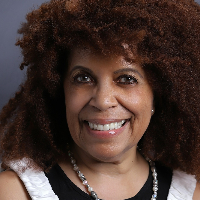
Tennessee · 15 yrs exp
LCSW - Stress and relationships
Stress, Anxiety · Relationship · Family · Self esteem · +9 more
Read profile
South Carolina · 5 yrs exp
Licensed counselor - relationships and mood
Relationship · Family · Trauma and abuse · Intimacy-related issues · +15 more
Read profile
New York · 15 yrs exp
LCSW - Anxiety and Addictions
Stress, Anxiety · Addictions · Relationship · Self esteem · +10 more
Read profile
Florida · 32 yrs exp
LMHC in Florida - Mood and relationship concerns
Stress, Anxiety · Relationship · Trauma and abuse · Bipolar · +8 more
Read profile
Kansas · 17 yrs exp
Licensed counselor - anxiety and relationships
Stress, Anxiety · Relationship · Family · Anger · +10 more
Read profile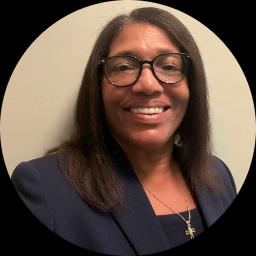
Mississippi · 36 yrs exp
LCSW - Family and parenting support
Family · Parenting · Anger · Self esteem · +11 more
Read profile
Florida · 28 yrs exp
LCSW - Anxiety and Addiction support
Stress, Anxiety · Addictions · Trauma and abuse · Self esteem · +13 more
Read profile
New York · 14 yrs exp
LCSW - Stress and relationship concerns
Stress, Anxiety · Relationship · Trauma and abuse · Self esteem · +5 more
Read profile
North Carolina · 10 yrs exp
LCSW in North Carolina - Stress and Trauma
Stress, Anxiety · Family · Parenting · Anger · +8 more
Read profile
Wyoming · 14 yrs exp
LCSW in Wyoming - anxiety and depression
Addictions · Relationship · Depression · Coping with life changes · +11 more
Read profile
North Carolina · 30 yrs exp
LCMHC counselor - anxiety and life transitions
Stress, Anxiety · Addictions · LGBT · Trauma and abuse · +1 more
Read profileSocial anxiety and phobia refer to patterns of intense worry or fear about social situations where you might be observed, judged, or evaluated. For some people this takes the form of anxiety about public speaking, meeting new people, eating or drinking in front of others, or being the center of attention. A phobia often suggests a pronounced, specific fear that can lead you to avoid certain places or activities, while social anxiety can be more generalized and affect many parts of your daily life. You do not need to feel anxious every hour to be affected; even recurring worry that limits work, school, relationships, or social activities is meaningful and is a common reason people look for professional support.
Because social fear often involves a cycle of avoidance and worry, it can erode confidence and increase loneliness. You may notice physical symptoms such as rapid heartbeat, sweating, trembling, or difficulty speaking in social settings. Over time you might start turning down invitations, leaving groups early, or rehearsing conversations in a way that makes social interaction feel exhausting. Understanding these patterns is the first step in deciding whether to pursue therapy and what kind of help might be most useful to you.
If you find that social situations cause persistent and disproportionate anxiety, or that worry about being judged interferes with your plans, therapy can offer a place to explore these experiences. You might benefit from professional support if avoidance is shaping major decisions, such as limiting job opportunities or preventing you from forming relationships. Other signs include spending a lot of time preparing for social interactions, experiencing strong self-consciousness, or feeling physically distressed during events that others handle without difficulty. When anxiety leads to missed opportunities or ongoing distress, it is reasonable to seek help.
Therapy can also be useful if you are seeking skills to manage acute symptoms, such as panic in crowds or freezing during presentations, or if you want to change long-held patterns of self-criticism and rumination. Some people pursue therapy not because they are in crisis but because they want coaching on social skills, confidence-building, and gradual exposure to feared situations. Whatever your experience, a therapist can help you identify specific goals and develop a plan that matches your pace and values.
When you start sessions you will typically spend time describing your concerns, tracing when they began, and identifying situations that trigger anxiety. Early appointments often focus on building rapport and creating a shared understanding of your goals. You can expect a combination of discussion, practical skills training, and opportunities to try new behaviors in a supported way. Many therapists use a collaborative approach in which you and the clinician set measurable, achievable steps for exposure to feared situations and review progress together.
Sessions usually include instruction in techniques such as breathing and grounding to manage immediate symptoms, along with behavioral exercises designed to reduce avoidance. Homework between sessions is common and is meant to be gradual - you might begin by imagining a social scenario, then practice with role play in session, and later try the real situation in daily life. Over time you can track changes in your reactions and confidence. Therapy is a process of small experiments and adjustments rather than a single fix, and your therapist should explain the rationale for exercises and adapt them based on what works for you.
There are several approaches that therapists often use with people experiencing social anxiety and phobia. Cognitive-behavioral methods are frequently mentioned because they combine attention to thought patterns with practical behavioral work. You will commonly find therapists who list cognitive-behavioral therapy or exposure-based approaches among their practices. Exposure techniques focus on helping you face feared situations in manageable steps so that avoidance decreases and confidence grows. Acceptance and commitment approaches emphasize values-driven action and learning to live with uncomfortable internal experiences while pursuing meaningful activities. Mindfulness-based strategies can help you develop a different relationship to anxious thoughts and bodily sensations without trying to eliminate them.
Some therapists bring in interpersonal or psychodynamic perspectives to explore how past relationships and patterns influence present social fears. Others may emphasize skills training for social communication, assertiveness, and conflict management. If medication is a consideration, mental health prescribers can discuss options and how pharmacological support may fit with therapy. When you review therapist profiles, you will notice a range of approaches listed; focus on descriptions that resonate with your preferences and the types of activities you are willing to try.
Online therapy offers a way to work on social anxiety from your home or another comfortable environment. Video sessions recreate much of the face-to-face experience, allowing you to observe and be observed while practicing exposure in a controlled manner. Some people begin with remote sessions to reduce logistical barriers to getting started, and therapists can guide exposure exercises that are adapted for virtual work. For example, you might practice making small talk on video, rehearsing presentations, or using virtual role play to simulate social interactions. Online formats also make it possible to connect with clinicians who speak your language or describe experience with particular approaches even if they are not located nearby.
Telephone or messaging work is another option for people who prefer less visual exposure at first. Effective online therapy still involves clear session structure, goals, and between-session practice. Make sure you have a quiet place where you feel comfortable participating, and discuss with your therapist what to do if a session becomes overwhelming. Good online care will include plans for managing intense distress and for connecting you to local resources if needed.
When choosing a therapist, look beyond a single label and read how clinicians describe their work with social anxiety and phobia. Pay attention to stated areas of focus, the approaches they list, languages spoken, and any notes about working with specific populations such as young adults, professionals, or people from diverse cultural backgrounds. Profiles that describe typical session structure, use of exposure, and expectations for between-session practice can help you imagine what working together would feel like. Consider whether you prefer a therapist who emphasizes skills training, a values-oriented approach, or long-term exploration of underlying relationship patterns.
Your personal sense of fit matters. You may find it helpful to read therapist bios for language that feels collaborative and respectful of your goals. If you have practical needs such as evening sessions or work in a particular language, use those criteria when narrowing choices. Remember that different clinicians list different methods, and the fact that a therapist mentions an approach does not guarantee any particular type or level of training. Use profile details as starting points for inquiry rather than definitive proof of a match. Over time, you can adjust your plan if the initial approach does not align with your needs.
Seeking help for social anxiety and phobia is a process that involves identifying goals, experimenting with new behaviors, and building supports that help you participate more fully in social life. With clear expectations and a therapist whose style resonates with you, therapy can offer a practical pathway to reduced avoidance, clearer communication, and greater confidence in situations that once felt overwhelming.
Alabama
134 therapists
Alaska
18 therapists
Arizona
114 therapists
Arkansas
67 therapists
Australia
138 therapists
California
590 therapists
Colorado
188 therapists
Connecticut
63 therapists
Delaware
19 therapists
District of Columbia
24 therapists
Florida
979 therapists
Georgia
291 therapists
Hawaii
27 therapists
Idaho
47 therapists
Illinois
294 therapists
Indiana
136 therapists
Iowa
40 therapists
Kansas
68 therapists
Kentucky
108 therapists
Louisiana
170 therapists
Maine
40 therapists
Maryland
114 therapists
Massachusetts
91 therapists
Michigan
320 therapists
Minnesota
93 therapists
Mississippi
90 therapists
Missouri
232 therapists
Montana
54 therapists
Nebraska
35 therapists
Nevada
47 therapists
New Hampshire
23 therapists
New Jersey
182 therapists
New Mexico
52 therapists
New York
351 therapists
North Carolina
348 therapists
North Dakota
11 therapists
Ohio
216 therapists
Oklahoma
127 therapists
Oregon
67 therapists
Pennsylvania
281 therapists
Rhode Island
15 therapists
South Carolina
169 therapists
South Dakota
18 therapists
Tennessee
139 therapists
Texas
898 therapists
United Kingdom
912 therapists
Utah
67 therapists
Vermont
13 therapists
Virginia
179 therapists
Washington
120 therapists
West Virginia
29 therapists
Wisconsin
128 therapists
Wyoming
24 therapists