
Audrey Kelly
LMFTOklahoma · 21 yrs exp
LMFT - Relationships and Anxiety
Stress, Anxiety · Relationship · Family · Self esteem · +8 more
Read profileTherapist listings are provided by BetterHelp. We will earn a commission at no additional cost to you if you use our links to purchase.
On this page you will find therapists who work with people navigating coping with life changes, including transitions, loss and shifting roles. Browse the listings below to compare approaches, credentials, languages and experience and find a match for your needs.
Oklahoma · 21 yrs exp
LMFT - Relationships and Anxiety
Stress, Anxiety · Relationship · Family · Self esteem · +8 more
Read profile
Florida · 14 yrs exp
Marsha Oxamendi LCSW - Anxiety and Stress
Stress, Anxiety · Grief · Anger · Self esteem · +12 more
Read profile
Michigan · 25 yrs exp
Licensed Professional Counselor - Stress and Anxiety
Stress, Anxiety · LGBT · Relationship · Grief · +10 more
Read profile
Illinois · 17 yrs exp
LCSW - trauma and mood support
Trauma and abuse · Coping with life changes · Stress, Anxiety · Relationship · +9 more
Read profile
South Carolina · 16 yrs exp
Licensed MFT - Relationships and Anxiety
Stress, Anxiety · Relationship · Family · Parenting · +14 more
Read profile
Florida · 20 yrs exp
LMHC - Addiction and stress care
Stress, Anxiety · Addictions · Relationship · Self esteem · +16 more
Read profile
Minnesota · 25 yrs exp
Licensed Professional Counselor - Stress and Anxiety
Stress, Anxiety · Relationship · Grief · Self esteem · +9 more
Read profile
Oregon · 17 yrs exp
Licensed Professional Counselor - Anxiety and Stress
Stress, Anxiety · Anger · Self esteem · Career · +12 more
Read profile
Florida · 32 yrs exp
LMHC - LGBT concerns and grief specialist
LGBT · Grief · Self esteem · Coping with life changes · +1 more
Read profile
New York · 24 yrs exp
LCSW in New York - anxiety and depression
Stress, Anxiety · Relationship · Anger · Self esteem · +12 more
Read profile
Mississippi · 16 yrs exp
MS LPC - Relationships and Family
Stress, Anxiety · Relationship · Family · Parenting · +6 more
Read profile
North Carolina · 51 yrs exp
Licensed counselor - relationships and mood
Relationship · Intimacy-related issues · Parenting · Self esteem · +12 more
Read profile
Texas · 11 yrs exp
LPC in Texas - Mood and anxiety care
Stress, Anxiety · Bipolar · Depression · Self esteem · +2 more
Read profile
New York · 11 yrs exp
Licensed Mental Health Counselor - Stress and Anxiety
Stress, Anxiety · Anger · Bipolar · Depression · +11 more
Read profile
Georgia · 8 yrs exp
LPC counselor - anxiety and relationships
Stress, Anxiety · Relationship · Family · Grief · +11 more
Read profile
Illinois · 20 yrs exp
LCSW - Stress and Anxiety focused
Stress, Anxiety · Relationship · Parenting · Self esteem · +7 more
Read profile
Michigan · 20 yrs exp
LMSW - Stress and Anxiety support
Stress, Anxiety · Relationship · Self esteem · Family · +6 more
Read profile
Georgia · 12 yrs exp
LPC in Georgia - Stress and Anxiety
Stress, Anxiety · Anger · Self esteem · Depression · +13 more
Read profile
Kentucky · 18 yrs exp
LMFT - Relationships and Identity
LGBT · Relationship · Family · Self esteem · +14 more
Read profile
New Jersey · 5 yrs exp
Licensed Professional Counselor - Stress and Anxiety
Stress, Anxiety · Relationship · Family · Anger · +12 more
Read profile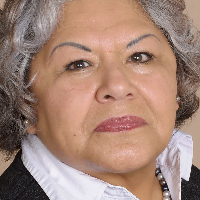
Nevada · 3 yrs exp
LCSW - Anxiety and relationship concerns
Stress, Anxiety · Relationship · Family · Trauma and abuse · +11 more
Read profile
California · 12 yrs exp
Licensed Marriage and Family Therapist - Anxiety and Relationships
Stress, Anxiety · Family · Parenting · Self esteem · +8 more
Read profile
Florida · 25 yrs exp
LMHC - Anxiety and Depression focus
Stress, Anxiety · Family · Grief · Self esteem · +12 more
Read profile
Michigan · 5 yrs exp
Licensed Professional Counselor - Stress and Anxiety
Stress, Anxiety · Relationship · Family · Self esteem · +12 more
Read profile
New York · 15 yrs exp
LCPC LMHC - Stress and Anxiety
Stress, Anxiety · Trauma and abuse · Grief · Self esteem · +16 more
Read profile
Pennsylvania · 12 yrs exp
Licensed counselor - anxiety and relationships
Stress, Anxiety · Relationship · Self esteem · Depression · +11 more
Read profile
Florida · 26 yrs exp
LMHC - Depression and Anxiety Focus
Relationship · Grief · Self esteem · Depression · +13 more
Read profile
Missouri · 16 yrs exp
LCSW - Stress and mood concerns
Stress, Anxiety · Trauma and abuse · Self esteem · Bipolar · +12 more
Read profile
North Carolina · 10 yrs exp
LCSW therapist - anxiety and relationships
Stress, Anxiety · Relationship · Family · Bipolar · +16 more
Read profile
Texas · 17 yrs exp
Licensed Professional Counselor - Stress and Anxiety
Stress, Anxiety · Family · Depression · Coping with life changes · +12 more
Read profile
Oregon · 14 yrs exp
Licensed Professional Counselor - Anxiety and Depression
Grief · Self esteem · Career · Depression · +8 more
Read profile
Missouri · 7 yrs exp
Licensed Professional Counselor - Anxiety and Addictions
Stress, Anxiety · Addictions · Relationship · Self esteem · +13 more
Read profile
Florida · 17 yrs exp
LMHC - Relationships and Addictions
Stress, Anxiety · Addictions · Relationship · Family · +14 more
Read profile
Texas · 10 yrs exp
LPC in Texas - Anxiety and Relationship support
Stress, Anxiety · Relationship · Family · Depression · +14 more
Read profile
Michigan · 45 yrs exp
Licensed Counselor - Anxiety and Addictions
Stress, Anxiety · Addictions · Trauma and abuse · Grief · +10 more
Read profile
Wisconsin · 8 yrs exp
LPC in Wisconsin - relationships and anxiety
Relationship · Intimacy-related issues · Coping with life changes · Stress, Anxiety · +8 more
Read profile
Texas · 11 yrs exp
Licensed Professional Counselor - Anxiety and Relationships
Stress, Anxiety · Relationship · Family · Parenting · +9 more
Read profile
Texas · 12 yrs exp
Texas LPC - Mood and trauma support
Stress, Anxiety · Self esteem · Career · Depression · +9 more
Read profile
Texas · 10 yrs exp
Licensed Professional Counselor - Relationships and Family
Relationship · Family · Anger · Self esteem · +12 more
Read profile
Florida · 14 yrs exp
Florida LMHC - Anxiety and Relationships
Stress, Anxiety · Trauma and abuse · Bipolar · Depression · +16 more
Read profile
Texas · 13 yrs exp
Licensed counselor and family therapist - relationships and addiction
Stress, Anxiety · LGBT · Relationship · Trauma and abuse · +12 more
Read profile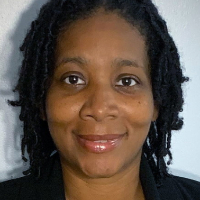
Florida · 13 yrs exp
Licensed counselor - anxiety and mood
Stress, Anxiety · Anger · Depression · Coping with life changes · +13 more
Read profile
Minnesota · 23 yrs exp
Licensed Marriage and Family Therapist - Stress and Relationships
Stress, Anxiety · Relationship · Trauma and abuse · Self esteem · +13 more
Read profile
Pennsylvania · 16 yrs exp
Licensed Professional Counselor - Anxiety and Relationships
Stress, Anxiety · Relationship · Family · Trauma and abuse · +11 more
Read profile
Florida · 30 yrs exp
LMHC - CBT and practical skills
Stress, Anxiety · Trauma and abuse · Bipolar · Depression · +16 more
Read profile
Louisiana · 16 yrs exp
LCSW - Anxiety and Relationship Concerns
Stress, Anxiety · Relationship · Trauma and abuse · Bipolar · +16 more
Read profile
Louisiana · 22 yrs exp
Licensed LMFT LPC - Anxiety and Relationships
Stress, Anxiety · Relationship · Family · Grief · +11 more
Read profile
Florida · 10 yrs exp
Licensed Clinical Social Worker - Stress and Relationships
Stress, Anxiety · Addictions · Family · Grief · +8 more
Read profile
Texas · 20 yrs exp
LPC in Texas - anxiety and life transitions
Family · Grief · Parenting · Self esteem · +7 more
Read profile
Michigan · 15 yrs exp
LPC in Michigan - anxiety and life changes
Stress, Anxiety · Anger · Self esteem · Depression · +10 more
Read profile
North Carolina · 18 yrs exp
Dr Shelia Williamson Collins LPC LCPC - Mood and addiction support
Stress, Anxiety · Addictions · Trauma and abuse · Anger · +13 more
Read profile
Florida · 13 yrs exp
LMHC in Florida - stress and anxiety focus
Stress, Anxiety · Self esteem · Career · Depression · +3 more
Read profile
New York · 30 yrs exp
LCSW in New York - Relationships and Anxiety
Stress, Anxiety · Relationship · Parenting · Self esteem · +11 more
Read profile
Michigan · 21 yrs exp
LMSW - Stress and relationship concerns
Stress, Anxiety · Relationship · Family · Bipolar · +14 more
Read profile
Virginia · 19 yrs exp
Licensed Professional Counselor - Anxiety and Life Changes
Stress, Anxiety · Grief · Self esteem · Depression · +11 more
Read profile
New York · 10 yrs exp
LCSW - Anxiety and relationship concerns
Stress, Anxiety · Relationship · Family · Grief · +12 more
Read profile
Louisiana · 10 yrs exp
Licensed counselor - anxiety and life changes
Stress, Anxiety · Grief · Anger · Depression · +8 more
Read profile
Texas · 24 yrs exp
LPC in Texas - anxiety and life transitions
Stress, Anxiety · LGBT · Trauma and abuse · Career · +11 more
Read profile
Indiana · 11 yrs exp
LCSW - anxiety and life changes
Stress, Anxiety · Grief · Depression · Coping with life changes · +8 more
Read profile
South Dakota · 12 yrs exp
Licensed counselor - Anxiety and relationships
Stress, Anxiety · Relationship · Family · Trauma and abuse · +13 more
Read profileLife change can arrive steadily or all at once - a move, a breakup, retirement, becoming a parent, a major career shift or the end of a relationship. These events often challenge your routines, sense of identity and daily expectations. Even changes that you sought or planned for can bring grief for what is left behind, alongside excitement for what comes next. The emotional impact tends to be complex because you are adjusting not only to new external circumstances but also to new roles, boundaries and relationships.
You might notice that your thinking feels more scattered, or you experience stronger emotions than before in situations that used to feel manageable. It is common to reassess priorities and values during these transitions, and that process can be empowering yet disorienting. The practical demands of change - moving, new schedules, financial shifts, legal matters - can compound emotional strain. When the natural process of adaptation becomes overwhelming or interferes with work, relationships or daily functioning, many people seek support to navigate the transition more intentionally.
Deciding to reach out for help is a personal choice, but there are practical signs that therapy could help as you navigate life changes. If you find that emotions related to the transition are intense or persistent, if you are avoiding situations that used to feel normal, or if the change is harming your sleep, concentration or appetite, therapy can provide strategies to manage those reactions. You may also notice that relationships feel strained because you and others are adjusting at different paces, or that you struggle to make decisions about the future because everything feels uncertain.
Other red flags include turning to alcohol or other means to blunt feelings, withdrawing from supports who have helped in the past, or feeling stuck in regret and what-if thinking. You do not need to meet any diagnostic criteria to benefit from focused therapeutic work - therapy can help you develop coping skills, rebuild routines and clarify next steps when life feels unsettled. If the change is tied to loss, identity shift or new responsibilities, a therapist can help you name what is happening and find practical ways to move forward without minimizing your experience.
When you begin work with a therapist about coping with life changes, early sessions often focus on understanding the specific transition and its impact on your daily life. You and the therapist will likely explore what has changed, what has stayed the same, and where you notice the greatest strain. Together you will set goals for therapy that might include emotion regulation, problem solving around practical obstacles, rebuilding social supports or redefining personal priorities. Sessions often blend listening and reflection with actionable tools so you leave with strategies to apply between meetings.
Therapy for transitions is usually collaborative and tailored to your pace. Some people want cognitive and behavioral techniques to manage anxiety or plan next steps. Others need time to process grief, identity questions or relational shifts. A therapist can offer a structured plan or a more exploratory process depending on what helps you feel heard and effective. Expect to review progress periodically and adjust the focus as your situation evolves.
There is no single way to approach coping with life changes, and therapists take different paths based on their orientation and your needs. You may find therapists who list cognitive behavioral therapy among their approaches, which emphasizes practical skills for managing thoughts and behaviors. Others may list acceptance and commitment therapy among their approaches, focusing on values-based decisions and psychological flexibility. Some therapists list narrative therapy among their approaches, which can help you rewrite the story you tell about the transition in a way that highlights strengths and options.
If the change involves significant loss or trauma, you may encounter therapists who list trauma-informed or exposure-based approaches among their approaches. Therapists who list mindfulness-based methods among their approaches can help you build present-moment skills to reduce reactivity. Psychodynamic approaches may be used to explore how past patterns shape your response to change. When reviewing profiles, note which approaches resonate with you and look for descriptions that align with the kind of support you prefer - whether practical problem solving, emotional processing or meaning-making work.
Online therapy has become a common way to access support for life transitions, and it can fit well with the unpredictable schedules that often accompany change. You can work with a therapist through video calls, phone sessions or messaging-based formats depending on what the therapist offers and what feels most helpful for you. Video sessions allow face-to-face connection if you want visual cues and a more traditional therapy experience. Messaging or phone options can be useful when you need flexible check-ins during a busy period.
When you choose online work, consider your physical setting for sessions. Finding a quiet personal space where you feel comfortable speaking openly helps you get more out of the process. Also be aware of basic technical needs - a stable internet connection, a device with audio and video capability if you want video calls, and a plan for what to do if technology fails during a session. Online formats can make it easier to maintain continuity during moves or schedule disruptions and can expand your choices so you can find a therapist whose approaches and background feel like a good fit.
When you start looking for a therapist, focus on fit rather than perfect credentials. Compare therapist profiles for stated focus areas, approaches, professional credentials and languages spoken. Read how each therapist describes their work with transitions, grief, career change or relationship shifts to sense whether their language matches your needs. Pay attention to descriptions of the populations they work with and the life stages they mention, because someone who lists experience with your particular kind of transition may have practical insights that speed progress.
Trust and rapport are central - you should feel heard and respected in the first few sessions. Think ahead about what matters most to you in the relationship. Do you want someone directive who helps you set concrete goals, or someone who offers exploratory emotional support? Do cultural competence and shared background matter to you? Consider asking therapists about typical session structure, how they approach decision-making around transitions, and whether they use tools like coping plans or values clarification exercises. It is reasonable to try a few sessions to assess how the working relationship feels and to adjust course if needed. With careful attention to approach, credentials and personal fit, you can find a therapist who helps you navigate change with clearer thinking and more sustainable coping strategies.
Alabama
134 therapists
Alaska
18 therapists
Arizona
114 therapists
Arkansas
67 therapists
Australia
138 therapists
California
590 therapists
Colorado
188 therapists
Connecticut
63 therapists
Delaware
19 therapists
District of Columbia
24 therapists
Florida
979 therapists
Georgia
291 therapists
Hawaii
27 therapists
Idaho
47 therapists
Illinois
294 therapists
Indiana
136 therapists
Iowa
40 therapists
Kansas
68 therapists
Kentucky
108 therapists
Louisiana
170 therapists
Maine
40 therapists
Maryland
114 therapists
Massachusetts
91 therapists
Michigan
320 therapists
Minnesota
93 therapists
Mississippi
90 therapists
Missouri
232 therapists
Montana
54 therapists
Nebraska
35 therapists
Nevada
47 therapists
New Hampshire
23 therapists
New Jersey
182 therapists
New Mexico
52 therapists
New York
351 therapists
North Carolina
348 therapists
North Dakota
11 therapists
Ohio
216 therapists
Oklahoma
127 therapists
Oregon
67 therapists
Pennsylvania
281 therapists
Rhode Island
15 therapists
South Carolina
169 therapists
South Dakota
18 therapists
Tennessee
139 therapists
Texas
898 therapists
United Kingdom
912 therapists
Utah
67 therapists
Vermont
13 therapists
Virginia
179 therapists
Washington
120 therapists
West Virginia
29 therapists
Wisconsin
128 therapists
Wyoming
24 therapists