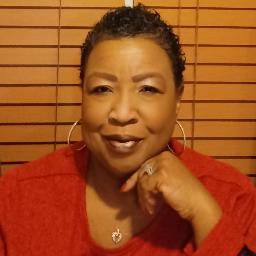
Profile / United States
Sherry Jones-Williamson, LCSW
North Carolina
LCSW - Mood and life transitions
See online therapy options- CBT strategies
- Motivational interviewing
- Aging and caregiver issues
About Sherry
Sherry Jones-Williamson is an LCSW (Licensed Clinical Social Worker) in North Carolina with 32 years of practice. She works with adults dealing with anger, low self-esteem, depression, stress, anxiety, grief, bipolar disorder, and major life changes. She also focuses on aging and geriatric concerns, caregiver stress, midlife transitions, and women's issues.
Her background includes extensive work in inpatient psychiatric settings and substantial experience with older adults. That history shaped a practical approach to everyday problems. Sessions aim to build concrete life skills and better daily functioning rather than vague promises.
She uses Cognitive Behavioral Therapy to help people notice unhelpful thoughts and test alternatives. She also uses Motivational Interviewing to clarify goals and resolve mixed feelings about change. Client-Centered Therapy guides how she listens and responds during sessions.
In practice she breaks down problems into manageable steps. She helps people try different strategies, review what works, and adjust plans. Sessions are plainspoken and focused on real-world changes such as sleep, routines, problem-solving, and stress responses.
People who want clear, structured support for mood, stress, or life transitions will find a straightforward, skills-focused approach. To begin, the site process asks people to complete a short matching questionnaire and schedule a first session.
How CBT and motivational approaches inform online sessions
Sherry uses Cognitive Behavioral Therapy to help people spot patterns of thought and behavior that keep problems going, then practice concrete alternatives that change daily functioning. Motivational Interviewing is used to sort out mixed feelings about change and set achievable goals. Client-Centered Therapy guides how she listens and responds during discussions to keep sessions focused on the person's priorities.Finding the right approach is part of the work. She will discuss options and try methods that fit the person's goals and preferences. That decision is collaborative and may be adjusted over time based on what proves most useful.
Because the biography does not list specific online formats, confirm the available session types before booking. Online work can make it easier to fit therapy into a regular schedule and to check in from a convenient location. It can also allow for shorter or more frequent check-ins when needed, and options that reduce travel time. Licensed professionals generally use a mix of structured skill practice, goal review, and problem-solving in remote sessions to help people make practical changes.
Areas of expertise
Primary focus
Also works with
Additional focus areas
Therapeutic approaches
Experience
32+ years
Listed in
North Carolina
Languages
English
Frequently asked questions
What concerns does she commonly address?
She helps adults with anger, low self-esteem, depression, anxiety, stress, grief, bipolar symptoms, and coping with life changes. She also focuses on aging, caregiver stress, midlife concerns, and women's issues.
How would she describe her therapeutic style?
She works in a practical, person-centered way. Sessions focus on clear steps, skill-building, and reviewing what helps in daily life.
What approaches does she draw on?
She commonly uses Cognitive Behavioral Therapy to identify and change unhelpful thoughts and behaviors, and Motivational Interviewing to address ambivalence about change. Client-Centered Therapy shapes how she listens and responds.
What is her professional background?
She has 32 years of experience and has worked extensively in inpatient psychiatric settings, with notable experience serving geriatric populations.
Where is she licensed and what languages are supported?
She holds an NC LCSW (Licensed Clinical Social Worker) credential and practices in North Carolina. Sessions are offered in English.
Can international clients work with her?
International clients are not currently accepted.
How are sessions arranged and what about cost?
Session cost varies by location and sessions use a subscription that can be canceled at any time. Confirm pricing details during the sign-up process.
What are the first steps to begin?
Use the See online therapy options button, complete a short matching questionnaire, and then schedule your first session.
Details come from information the therapist supplied to BetterHelp. A license can be checked with the state board.
Online talk therapy is not emergency care. If you are not safe, use the crisis numbers.