
Velma Jones
LCSWNew York · 29 yrs exp
LCSW in New York - Mood and relationship work
Stress, Anxiety · Relationship · Trauma and abuse · Depression · +10 more
Read profileTherapist listings are provided by BetterHelp. We will earn a commission at no additional cost to you if you use our links to purchase.
This directory highlights therapists who indicate a focus on women's issues, including reproductive, relational, and life-stage concerns. Browse the profiles below to review approaches, credentials, languages, and experience to find a provider who aligns with your needs.
New York · 29 yrs exp
LCSW in New York - Mood and relationship work
Stress, Anxiety · Relationship · Trauma and abuse · Depression · +10 more
Read profile
Michigan · 25 yrs exp
Licensed Professional Counselor - Stress and Anxiety
Stress, Anxiety · LGBT · Relationship · Grief · +10 more
Read profile
South Carolina · 16 yrs exp
Licensed MFT - Relationships and Anxiety
Stress, Anxiety · Relationship · Family · Parenting · +14 more
Read profile
Florida · 20 yrs exp
LMHC - Addiction and stress care
Stress, Anxiety · Addictions · Relationship · Self esteem · +16 more
Read profile
Minnesota · 25 yrs exp
Licensed Professional Counselor - Stress and Anxiety
Stress, Anxiety · Relationship · Grief · Self esteem · +9 more
Read profile
Texas · 25 yrs exp
LPC in Texas - stress and relationship focus
Stress, Anxiety · Relationship · Parenting · Anger · +8 more
Read profile
New York · 24 yrs exp
LCSW in New York - anxiety and depression
Stress, Anxiety · Relationship · Anger · Self esteem · +12 more
Read profile
Mississippi · 16 yrs exp
MS LPC - Relationships and Family
Stress, Anxiety · Relationship · Family · Parenting · +6 more
Read profile
Kansas · 12 yrs exp
LCMFT in Kansas - Relationships and Anxiety
Stress, Anxiety · Relationship · Intimacy-related issues · Depression · +13 more
Read profile
Illinois · 20 yrs exp
LCSW - Stress and Anxiety focused
Stress, Anxiety · Relationship · Parenting · Self esteem · +7 more
Read profile
Kentucky · 18 yrs exp
LMFT - Relationships and Identity
LGBT · Relationship · Family · Self esteem · +14 more
Read profile
Colorado · 15 yrs exp
LPC in Colorado - Relationships and Anxiety
Stress, Anxiety · Relationship · Intimacy-related issues · Self esteem · +10 more
Read profile
Michigan · 5 yrs exp
Licensed Professional Counselor - Stress and Anxiety
Stress, Anxiety · Relationship · Family · Self esteem · +12 more
Read profile
Pennsylvania · 12 yrs exp
Licensed counselor - anxiety and relationships
Stress, Anxiety · Relationship · Self esteem · Depression · +11 more
Read profile
Florida · 26 yrs exp
LMHC - Depression and Anxiety Focus
Relationship · Grief · Self esteem · Depression · +13 more
Read profile
Missouri · 16 yrs exp
LCSW - Stress and mood concerns
Stress, Anxiety · Trauma and abuse · Self esteem · Bipolar · +12 more
Read profile
Oregon · 14 yrs exp
Licensed Professional Counselor - Anxiety and Depression
Grief · Self esteem · Career · Depression · +8 more
Read profile
Florida · 17 yrs exp
LMHC - Relationships and Addictions
Stress, Anxiety · Addictions · Relationship · Family · +14 more
Read profile
Texas · 10 yrs exp
LPC in Texas - Anxiety and Relationship support
Stress, Anxiety · Relationship · Family · Depression · +14 more
Read profile
Texas · 11 yrs exp
Licensed Professional Counselor - Anxiety and Relationships
Stress, Anxiety · Relationship · Family · Parenting · +9 more
Read profile
Texas · 10 yrs exp
Licensed Professional Counselor - Relationships and Family
Relationship · Family · Anger · Self esteem · +12 more
Read profile
Florida · 14 yrs exp
Florida LMHC - Anxiety and Relationships
Stress, Anxiety · Trauma and abuse · Bipolar · Depression · +16 more
Read profile
Minnesota · 23 yrs exp
Licensed Marriage and Family Therapist - Stress and Relationships
Stress, Anxiety · Relationship · Trauma and abuse · Self esteem · +13 more
Read profile
Louisiana · 16 yrs exp
LCSW - Anxiety and Relationship Concerns
Stress, Anxiety · Relationship · Trauma and abuse · Bipolar · +16 more
Read profile
Florida · 10 yrs exp
Licensed Clinical Social Worker - Stress and Relationships
Stress, Anxiety · Addictions · Family · Grief · +8 more
Read profile
Texas · 20 yrs exp
LPC in Texas - anxiety and life transitions
Family · Grief · Parenting · Self esteem · +7 more
Read profile
Michigan · 15 yrs exp
LPC in Michigan - anxiety and life changes
Stress, Anxiety · Anger · Self esteem · Depression · +10 more
Read profile
Florida · 13 yrs exp
LMHC in Florida - stress and anxiety focus
Stress, Anxiety · Self esteem · Career · Depression · +3 more
Read profile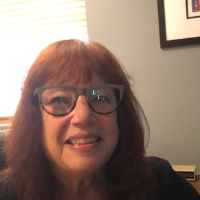
New York · 30 yrs exp
LCSW in New York - Relationships and Anxiety
Stress, Anxiety · Relationship · Parenting · Self esteem · +11 more
Read profile
Louisiana · 10 yrs exp
Licensed counselor - anxiety and life changes
Stress, Anxiety · Grief · Anger · Depression · +8 more
Read profile
South Dakota · 12 yrs exp
Licensed counselor - Anxiety and relationships
Stress, Anxiety · Relationship · Family · Trauma and abuse · +13 more
Read profile
Arizona · 30 yrs exp
LPC counselor - stress and trauma
Stress, Anxiety · Trauma and abuse · Self esteem · Career · +11 more
Read profile
Florida · 22 yrs exp
LCSW - Anxiety and Depression support
Stress, Anxiety · Self esteem · Depression · Coping with life changes · +5 more
Read profile
Florida · 10 yrs exp
LMHC - Anxiety and Parenting
Stress, Anxiety · Family · Parenting · Self esteem · +10 more
Read profile
Florida · 20 yrs exp
Licensed Mental Health Counselor - Anxiety and Life Changes
Stress, Anxiety · Relationship · Family · Self esteem · +9 more
Read profile
Texas · 10 yrs exp
Licensed Marriage and Family Therapist - Relationships and Stress
Stress, Anxiety · Relationship · Family · Parenting · +5 more
Read profile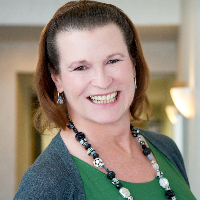
Colorado · 34 yrs exp
Dr. Rhoda Lipscomb, LPC - Sexuality and relationship concerns
Stress, Anxiety · LGBT · Relationship · Intimacy-related issues · +8 more
Read profile
Texas · 20 yrs exp
LICSW LCSW - Stress and Addictions
Stress, Anxiety · Addictions · Family · Grief · +15 more
Read profile
Ohio · 20 yrs exp
Ohio LISW - Anxiety and Stress focus
Stress, Anxiety · LGBT · Family · Grief · +16 more
Read profile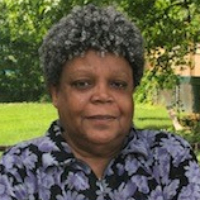
Virginia · 47 yrs exp
LCSW - Depression and Anxiety
Stress, Anxiety · Relationship · Grief · Self esteem · +10 more
Read profile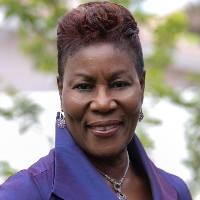
Florida · 21 yrs exp
LMHC in Florida - Addictions and Relationships
Addictions · Relationship · Family · Self esteem · +2 more
Read profile
Alabama · 20 yrs exp
LPC in Alabama - Anxiety and Life Changes
Stress, Anxiety · Relationship · Grief · Depression · +9 more
Read profile
Wisconsin · 17 yrs exp
LPC in Wisconsin - Anxiety and Relationships
Stress, Anxiety · Relationship · Trauma and abuse · Self esteem · +11 more
Read profile
Michigan · 24 yrs exp
LCSW counselor - Stress and addiction care
Stress, Anxiety · Addictions · Relationship · Family · +1 more
Read profile
Illinois · 38 yrs exp
Illinois LCPC - Stress and Anxiety
Stress, Anxiety · Self esteem · Depression · Coping with life changes · +9 more
Read profile
California · 20 yrs exp
Licensed Clinical Social Worker - Stress and Relationship concerns
Stress, Anxiety · Relationship · Family · Parenting · +15 more
Read profile
Tennessee · 15 yrs exp
LCSW - Stress and relationships
Stress, Anxiety · Relationship · Family · Self esteem · +9 more
Read profile
Florida · 32 yrs exp
LMHC in Florida - Mood and relationship concerns
Stress, Anxiety · Relationship · Trauma and abuse · Bipolar · +8 more
Read profile
Kansas · 17 yrs exp
Licensed counselor - anxiety and relationships
Stress, Anxiety · Relationship · Family · Anger · +10 more
Read profile
Mississippi · 36 yrs exp
LCSW - Family and parenting support
Family · Parenting · Anger · Self esteem · +11 more
Read profile
Wyoming · 14 yrs exp
LCSW in Wyoming - anxiety and depression
Addictions · Relationship · Depression · Coping with life changes · +11 more
Read profile
Missouri · 16 yrs exp
Licensed Professional Counselor - Anxiety and Relationships
Stress, Anxiety · Relationship · Family · Self esteem · +2 more
Read profile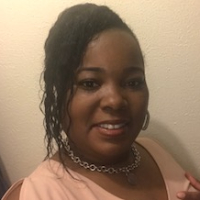
Louisiana · 10 yrs exp
Licensed Professional Counselor - Anxiety and Relationships
Stress, Anxiety · Trauma and abuse · Anger · Self esteem · +8 more
Read profile
North Carolina · 30 yrs exp
LCMHC counselor - anxiety and life transitions
Stress, Anxiety · Addictions · LGBT · Trauma and abuse · +1 more
Read profile
Iowa · 9 yrs exp
Licensed Independent Social Worker - Relationships and Stress
Stress, Anxiety · Relationship · Family · Trauma and abuse · +8 more
Read profile
Michigan · 6 yrs exp
LMSW in Michigan - Mood and stress support
Stress, Anxiety · Grief · Self esteem · Depression · +3 more
Read profile
South Carolina · 25 yrs exp
Licensed Professional Counselor - Anxiety and Trauma
Stress, Anxiety · LGBT · Relationship · Trauma and abuse · +9 more
Read profile
Texas · 14 yrs exp
Licensed Professional Counselor - Anxiety and Stress
Stress, Anxiety · Anger · Depression · ADHD · +7 more
Read profile
Florida · 20 yrs exp
Licensed Mental Health Counselor - Stress and Anxiety
Stress, Anxiety · Relationship · Grief · Self esteem · +1 more
Read profile
Georgia · 27 yrs exp
Licensed counselor - anxiety and mood concerns
Stress, Anxiety · Trauma and abuse · Bipolar · Depression · +16 more
Read profileWhen people talk about women's issues in a therapeutic context, they are referring to a wide array of experiences that often relate to gendered roles, reproductive health, life transitions, and the social pressures that can shape identity and relationships. You may be looking for support around pregnancy and postpartum adjustments, fertility and pregnancy loss, menstrual or menopausal changes, relationship concerns tied to gender expectations, body image and self-esteem, workplace dynamics, or the emotional impact of intimate partner violence. Cultural background, race, sexual orientation, socioeconomic status, and family history all interact with these issues and shape the kinds of challenges you face.
These concerns can influence how you relate to others, how you feel about your body and your future, and how you navigate roles at home and work. You might notice changes in your mood, energy, or sense of purpose. Decisions about family planning, career shifts, caregiving responsibilities, and health transitions can feel overwhelming when paired with societal expectations. Therapy can be a place to explore these pressures, process difficult experiences, and develop strategies to manage stressors that interfere with your day-to-day functioning and relationships.
You might seek help when you find that emotions related to reproductive experiences, relationships, or life-stage changes are persistent or disruptive. If you are feeling unusually anxious or down after a pregnancy or miscarriage, struggling with low self-worth tied to body changes, or having repeated conflicts in relationships that revolve around gender roles, these are valid reasons to reach out. You may also notice patterns such as avoidance of intimacy, difficulty making decisions about parenting or career, or intrusive memories related to past trauma. These experiences do not have to be permanent and many people benefit from focused therapeutic work.
It is common for women's issues to intersect with trauma, chronic stress, physical health concerns, and relational difficulties. If you are experiencing sleep disruption, difficulty concentrating, or persistent worries that limit your daily activities, therapy can offer tools to cope and new ways to understand what you are living through. You do not need to wait until a problem reaches a crisis point to seek support; early engagement can prevent escalation and help you build skills that improve quality of life.
Your first sessions are likely to involve a conversation about what brings you in, your history, current stressors, and what you hope to achieve. Therapists often take a collaborative approach, inviting you to define goals that matter to you, whether that is processing grief, improving communication with a partner, managing reproductive health-related anxiety, or rebuilding self-esteem after a life change. You can expect an open dialogue about boundaries, session structure, and how progress will be monitored.
How therapy unfolds will depend on your needs and preferences. Some people appreciate a solution-focused rhythm that emphasizes concrete coping strategies and skill-building. Others prefer a deeper exploration of life history, relational patterns, and identity. When trauma is part of the picture, a therapist may work at a pace that prioritizes safety and stabilization before exploring difficult memories. You should feel invited to share at the pace that feels manageable while receiving guidance on techniques and approaches that can help you reach your goals.
Therapists bring a range of approaches to work with women's issues, and many combine elements from multiple modalities to meet your needs. You may find therapists who list cognitive behavioral therapy among their approaches, which focuses on identifying and shifting unhelpful thoughts and behaviors. Others describe psychodynamic or relational approaches that explore how past experiences shape current patterns. Mindfulness-based and acceptance-oriented approaches can help you build tolerance for difficult emotions and increase present-moment awareness.
Because many women's issues intersect with grief, loss, and trauma, you may encounter therapists who list trauma-informed care among their approaches. Some therapists list somatic therapies or body-centered work, which attend to how stress and trauma are held in bodily sensations and movement. You may also find therapists who list EMDR among their approaches, and therapists who list internal family systems among their approaches, as well as those who list dialectical behavior therapy or acceptance and commitment therapy. When browsing profiles, look for descriptions that explain how an approach is applied to reproductive, relational, or life-stage concerns rather than assuming certification or specific training.
Online therapy for women's issues can be offered via video calls, phone sessions, or messaging formats, depending on what your therapist provides. A video appointment often resembles an in-person session, allowing visual cues and shared presence, while phone sessions may be preferable if you need more flexibility or less visual exposure. Messaging or asynchronous options can offer a way to stay connected between sessions, though interaction is different from real-time conversation. You should consider which format helps you feel most comfortable discussing intimate or emotion-laden topics.
To get the most from online therapy, choose a comfortable, distraction-free setting where you feel you can speak openly. Think about your environment, whether you will need headphones for privacy in shared spaces, and how you will handle interruptions. Before starting, you may want to clarify with a therapist how they handle emergencies, what to expect around session length and fees, and how they record progress. If you are considering working across state or national lines, be aware that licensure rules vary, and a therapist's profile typically lists their credential and the locations where they are authorized to practice. You can also look for therapists who note experience working with people from similar cultural backgrounds or life stages to yours.
When choosing a therapist, think about the specific concerns you want to address and look for profiles that describe that focus. If reproductive or perinatal concerns are central, seek therapists who indicate experience with pregnancy, postpartum, fertility, or pregnancy loss. If trauma is part of your story, look for language that explicitly acknowledges trauma work and the approaches they use. Pay attention to whether a therapist lists working with diverse identities or communities, and whether they offer services in a language you prefer. These details can give you a sense of fit before you reach out.
Practical matters can shape what will work for you day to day. Consider session format, fees, insurance participation, and the therapist's licensure status as presented in their profile. Many people find it helpful to send a brief message or request an initial consultation to ask about the therapist's experience with your particular concerns, their general approach to therapy, and what typical goals might look like. You do not need to disclose everything at once; an initial conversation is an opportunity to get a sense of whether you feel heard and understood.
Choosing a therapist is an individual process and it is normal to try more than one therapist before finding a good match. As you browse the profiles in this directory, focus on the combination of clinical approach, experience with women's issues that matter to you, and practical logistics that support consistent engagement. Thoughtful choices can help you enter therapy with clearer expectations and a stronger foundation for meaningful work.
Alabama
134 therapists
Alaska
18 therapists
Arizona
114 therapists
Arkansas
67 therapists
Australia
138 therapists
California
590 therapists
Colorado
188 therapists
Connecticut
63 therapists
Delaware
19 therapists
District of Columbia
24 therapists
Florida
979 therapists
Georgia
291 therapists
Hawaii
27 therapists
Idaho
47 therapists
Illinois
294 therapists
Indiana
136 therapists
Iowa
40 therapists
Kansas
68 therapists
Kentucky
108 therapists
Louisiana
170 therapists
Maine
40 therapists
Maryland
114 therapists
Massachusetts
91 therapists
Michigan
320 therapists
Minnesota
93 therapists
Mississippi
90 therapists
Missouri
232 therapists
Montana
54 therapists
Nebraska
35 therapists
Nevada
47 therapists
New Hampshire
23 therapists
New Jersey
182 therapists
New Mexico
52 therapists
New York
351 therapists
North Carolina
348 therapists
North Dakota
11 therapists
Ohio
216 therapists
Oklahoma
127 therapists
Oregon
67 therapists
Pennsylvania
281 therapists
Rhode Island
15 therapists
South Carolina
169 therapists
South Dakota
18 therapists
Tennessee
139 therapists
Texas
898 therapists
United Kingdom
912 therapists
Utah
67 therapists
Vermont
13 therapists
Virginia
179 therapists
Washington
120 therapists
West Virginia
29 therapists
Wisconsin
128 therapists
Wyoming
24 therapists