Profile / United States
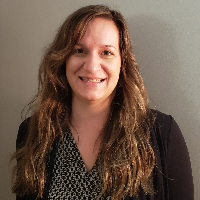
Leslie Gray, LCMHC
North Carolina
LCMHC - Addictions and Trauma
See online therapy options- Addictions focus
- Trauma care
- CBT techniques
About Leslie
Leslie Gray is an LCMHC (Licensed Clinical Mental Health Counselor) practicing in North Carolina with 10 years of experience. She focuses on addictions, substance use concerns, trauma and abuse, anxiety, depression, bipolar disorder, ADHD, and related challenges listed in her profile. Sessions address practical problems like stress, relationship strain, grief, and career concerns alongside mood and compulsive behaviors.
She began her career primarily as a substance abuse counselor and has worked a great deal with people who have co-occurring disorders. That background shaped her focus on drug and alcohol addiction and domestic violence as specific areas of experience. Leslie has supported people whose trauma came from physical, emotional, or verbal abuse, neglect, or witnessing violence.
Leslie describes her orientation as existential, viewing many difficulties as part of a search for meaning. She uses a person-centered approach that keeps the client’s goals central. She also applies brief, solution-focused steps to make progress on concrete problems.
She incorporates Cognitive Behavioral Therapy techniques to notice and change unhelpful thoughts and behaviors, and she uses motivational interviewing strategies when substance use is a concern. EMDR and mindfulness methods appear in her work for trauma and stress management.
Leslie encourages facing difficult emotions rather than avoiding them and works with clients to set achievable goals. To begin, clients complete a short matching questionnaire and schedule an initial session through the online options button.
How her approaches translate to online work
Leslie draws from Cognitive Behavioral Therapy to help people notice patterns of thought and behavior and try different responses. CBT is practical and problem-focused, and it is often used for anxiety, depression, and habits related to addiction.She also uses client-centered methods that emphasize listening and following the client’s goals. That approach supports deciding which practical steps matter most. Existential ideas are used to talk about meaning and how people want to live, which can help when facing life changes or grappling with trauma.
Choosing the right approach is part of the work and is decided together. Leslie will review your goals, symptoms, and preferences and suggest which methods to try first; the plan can shift based on how sessions go.
Session formats are not detailed in the biography, so confirm current online options before booking. Many people find online sessions easier to fit into a workday, reduce travel time, or allow shorter check-ins when needed. Talk with Leslie about timing and pacing so sessions fit into everyday life.
Areas of expertise
Also works with
Additional focus areas
Therapeutic approaches
Experience
10+ years
Listed in
North Carolina
Languages
English
Frequently asked questions
What concerns does she address most often?
She works with addictions, trauma and abuse, anxiety, depression, bipolar disorder, ADHD, and related issues such as grief, anger, and career stress.
How does she use Cognitive Behavioral Therapy?
CBT techniques are used to identify unhelpful thoughts and behaviors and to practice new ways of responding in daily life.
What is her professional background?
She has 10 years of experience, with a primary background as a substance abuse counselor and experience treating co-occurring disorders.
What are her credentials and where does she practice?
She holds an LCMHC and practices in North Carolina.
Which languages are supported for sessions?
Sessions are offered in English.
Are international clients accepted?
International clients are not currently accepted.
How are fees handled?
Cost varies with location; sessions use a subscription that can be canceled at any time.
How do I begin working with her?
Select the See online therapy options button, complete a short matching questionnaire, and schedule a first session.
Details come from information the therapist supplied to BetterHelp. A license can be checked with the state board.
Online talk therapy is not emergency care. If you are not safe, use the crisis numbers.