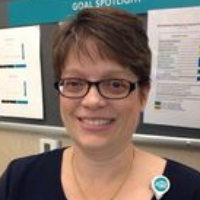
Profile / United States
Tracey Beaty, LPC, LCMHC
North Carolina
LPC LCMHC - Mood and trauma support
See online therapy options- CBT methods
- Client-centered care
- Motivational interviewing
About Tracey
Tracey Beaty is a Licensed Professional Counselor (LPC) and a Licensed Clinical Mental Health Counselor (LCMHC) in North Carolina with 15 years of experience. She works with adults on depression, bipolar disorder, trauma and abuse, self-esteem, and coping with life changes. Tracey also focuses on issues connected to abandonment, adoption and foster care, attachment concerns, domestic violence, and sexual assault and abuse.
Her sessions are practical and goal-oriented. She uses clear conversation to identify unhelpful thoughts and habits. Together she and the client look for small changes that can make daily life more manageable.
Tracey blends Cognitive Behavioral Therapy with client-centered techniques and motivational interviewing. CBT is used to notice thought patterns and try different responses. Client-centered work prioritizes the person’s experience and goals. Motivational interviewing helps people clarify what matters and find the drive to change.
She keeps session work straightforward. That can include setting short-term goals, practicing new coping skills, and reviewing what worked between meetings. The focus is on steps a person can try right away to reduce distress and increase functioning.
Tracey’s background includes years helping adults navigate mood disorders and trauma-related problems. People who contact her typically want concrete strategies for managing symptoms and moving forward after difficult experiences.
How Tracey uses CBT and related methods for online work
Tracey draws on Cognitive Behavioral Therapy to help people notice patterns of thinking and behavior that maintain distress. CBT focuses on practical exercises and short-term goals, which can be useful for depression, bipolar mood management, and many trauma-related symptoms.She also uses client-centered approaches that keep the person’s experience central. That means listening for what matters most and shaping sessions around those priorities. Motivational interviewing is used when someone wants help finding the motivation to make a change; it focuses on the person’s own reasons and goals.
Finding the right mix of methods is part of the work. Tracey will discuss what feels most useful and adjust the approach based on a person’s goals and responses. The process is collaborative and aimed at concrete steps each week.
Session formats are not specified in the biography, so confirm current options before booking. Online work can make it easier to fit therapy into a busy schedule, shorten check-ins when needed, and reduce travel time. Ask about specific session formats and length when you complete the matching questionnaire and schedule a first session.
Areas of expertise
Primary focus
Additional focus areas
Therapeutic approaches
Experience
15+ years
Listed in
North Carolina, South Carolina
Languages
English
Frequently asked questions
What problems does Tracey most often help with?
She helps adults with depression, bipolar disorder, trauma and abuse, self-esteem concerns, and coping with life changes.
How would she describe her therapeutic style?
The style is practical and goal-focused, using clear conversation to identify unhelpful thoughts and try different responses.
How much clinical experience does she have?
She has 15 years of experience working with adults on mood disorders and trauma-related issues.
What are her credentials and where is she licensed?
She holds LPC and LCMHC credentials and is licensed in North Carolina as SC LPC and NC LCMHC.
In what language are sessions offered?
Sessions are offered in English.
Does she work with international clients?
She is not currently accepting international clients.
How are sessions scheduled and what does cost look like?
Cost varies with location and sessions use a subscription that can be canceled at any time.
What are the steps to get started?
Select the See online therapy options button, complete a short matching questionnaire, and schedule a first session.
Details come from information the therapist supplied to BetterHelp. A license can be checked with the state board.
Online talk therapy is not emergency care. If you are not safe, use the crisis numbers.