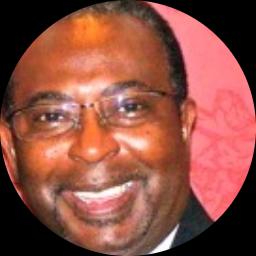
Profile / United States
Dr. Bruce McClure, LCPC
Maryland
LCPC in Maryland - relationships and family
See online therapy options- Relationships and family
- Trauma and grief
- Cognitive Behavioral Therapy
About Bruce
Dr. Bruce McClure is an LCPC (Licensed Clinical Professional Counselor) licensed in Maryland with 23 years of professional experience. He works with people facing relationship and family concerns, trauma and abuse, grief and loss, and parenting challenges.
He focuses on practical, goal-focused conversations. Sessions look at current problems, patterns that keep them going, and small experiments to try different ways of responding. He uses Cognitive Behavioral Therapy alongside client-centered listening, DBT skills where emotion regulation is needed, and Internal Family Systems ideas when parts work and attachment matter.
People meet to map out the issue, notice thoughts and behaviors that make it harder, and practice clearer ways to communicate or cope. He emphasizes short-term skills as well as understanding deeper patterns that affect relationships and grief reactions.
Over two decades of work in Maryland have included many family-related and trauma-related concerns. He draws on multiple approaches to match the situation rather than using one fixed method.
Sessions are straightforward and focused on change people can try between meetings. He asks simple questions, offers behavioral ideas, and checks progress. Clients set goals together and track what helps and what needs adjusting.
How his approaches translate to online sessions
Dr. McClure works with Cognitive Behavioral Therapy to help people notice thoughts and try different behaviors. CBT focuses on identifying thinking patterns and testing small changes, which can be practiced between meetings and reviewed in sessions. He also uses Client-Centered Therapy, which centers the conversation on the person's perspective and goals, and Dialectical Behavior Therapy skills to teach concrete tools for managing strong emotions and improving communication.Finding the right mix of methods is part of the work together. He and the client decide which approaches to emphasize based on goals, practical needs, and what seems to help in early sessions. That collaborative planning guides how skills are taught and practiced over time.
The original biography does not list specific online formats, so please confirm available session types before booking. Many people find remote meetings helpful for fitting sessions around work, school, or childcare, for shorter check-ins, or when they prefer not to travel. Online work can let the therapist review notes and homework together, coach specific communication skills, and practice behavioral experiments between meetings to fit everyday life.
Areas of expertise
Primary focus
Additional focus areas
Therapeutic approaches
Experience
23+ years
Listed in
Maryland
Languages
English
Frequently asked questions
What concerns does he most often address?
He works with relationship strain, family conflict, trauma and abuse, grief and parenting challenges.
How does he use Cognitive Behavioral Therapy?
He uses CBT to identify unhelpful thoughts and habits, and to set small behavior experiments to test new responses.
What is his professional background?
He has 23 years of professional experience working with family and trauma-related issues in Maryland.
What credential does he hold and where is he based?
He is an LCPC licensed in Maryland and practices with that credential in that state.
Which languages are offered for sessions?
Sessions are offered in English.
Can international clients work with him?
He does not accept international clients at this time.
What are the session formats?
The biography does not list specific session formats; please confirm current session options before booking.
How are fees and scheduling handled?
Fees vary by location and sessions use a subscription that can be canceled at any time; begin by completing the matching questionnaire and scheduling a first session.
Details come from information the therapist supplied to BetterHelp. A license can be checked with the state board.
Online talk therapy is not emergency care. If you are not safe, use the crisis numbers.