
Velma Jones
LCSWNew York · 29 yrs exp
LCSW in New York - Mood and relationship work
Stress, Anxiety · Relationship · Trauma and abuse · Depression · +10 more
Read profileTherapist listings are provided by BetterHelp. We will earn a commission at no additional cost to you if you use our links to purchase.
On this page you will find therapists who list communication problems among their specialty areas, including support for couples, families, and individuals. Browse the listings below to review approaches, credentials, languages, and experience to find a potential fit.
New York · 29 yrs exp
LCSW in New York - Mood and relationship work
Stress, Anxiety · Relationship · Trauma and abuse · Depression · +10 more
Read profile
Oklahoma · 21 yrs exp
LMFT - Relationships and Anxiety
Stress, Anxiety · Relationship · Family · Self esteem · +8 more
Read profile
Florida · 14 yrs exp
Marsha Oxamendi LCSW - Anxiety and Stress
Stress, Anxiety · Grief · Anger · Self esteem · +12 more
Read profile
Michigan · 25 yrs exp
Licensed Professional Counselor - Stress and Anxiety
Stress, Anxiety · LGBT · Relationship · Grief · +10 more
Read profile
Illinois · 17 yrs exp
LCSW - trauma and mood support
Trauma and abuse · Coping with life changes · Stress, Anxiety · Relationship · +9 more
Read profile
South Carolina · 16 yrs exp
Licensed MFT - Relationships and Anxiety
Stress, Anxiety · Relationship · Family · Parenting · +14 more
Read profile
Florida · 20 yrs exp
LMHC - Addiction and stress care
Stress, Anxiety · Addictions · Relationship · Self esteem · +16 more
Read profile
Minnesota · 25 yrs exp
Licensed Professional Counselor - Stress and Anxiety
Stress, Anxiety · Relationship · Grief · Self esteem · +9 more
Read profile
Florida · 32 yrs exp
LMHC - LGBT concerns and grief specialist
LGBT · Grief · Self esteem · Coping with life changes · +1 more
Read profile
Texas · 25 yrs exp
LPC in Texas - stress and relationship focus
Stress, Anxiety · Relationship · Parenting · Anger · +8 more
Read profile
New York · 24 yrs exp
LCSW in New York - anxiety and depression
Stress, Anxiety · Relationship · Anger · Self esteem · +12 more
Read profile
Florida · 39 yrs exp
Stress, Anxiety · Relationship · Family · Parenting · +14 more
Read profile
Mississippi · 16 yrs exp
MS LPC - Relationships and Family
Stress, Anxiety · Relationship · Family · Parenting · +6 more
Read profile
Kansas · 12 yrs exp
LCMFT in Kansas - Relationships and Anxiety
Stress, Anxiety · Relationship · Intimacy-related issues · Depression · +13 more
Read profile
North Carolina · 51 yrs exp
Licensed counselor - relationships and mood
Relationship · Intimacy-related issues · Parenting · Self esteem · +12 more
Read profile
Illinois · 20 yrs exp
LCSW - Stress and Anxiety focused
Stress, Anxiety · Relationship · Parenting · Self esteem · +7 more
Read profile
Georgia · 12 yrs exp
LPC in Georgia - Stress and Anxiety
Stress, Anxiety · Anger · Self esteem · Depression · +13 more
Read profile
Kentucky · 18 yrs exp
LMFT - Relationships and Identity
LGBT · Relationship · Family · Self esteem · +14 more
Read profile
Colorado · 15 yrs exp
LPC in Colorado - Relationships and Anxiety
Stress, Anxiety · Relationship · Intimacy-related issues · Self esteem · +10 more
Read profile
Ohio · 3 yrs exp
LPCC in Ohio - CBT and client-centered work
Addictions · Family · Anger · Depression · +6 more
Read profile
California · 12 yrs exp
Licensed Marriage and Family Therapist - Anxiety and Relationships
Stress, Anxiety · Family · Parenting · Self esteem · +8 more
Read profile
Florida · 25 yrs exp
LMHC - Anxiety and Depression focus
Stress, Anxiety · Family · Grief · Self esteem · +12 more
Read profile
Michigan · 5 yrs exp
Licensed Professional Counselor - Stress and Anxiety
Stress, Anxiety · Relationship · Family · Self esteem · +12 more
Read profile
Pennsylvania · 12 yrs exp
Licensed counselor - anxiety and relationships
Stress, Anxiety · Relationship · Self esteem · Depression · +11 more
Read profile
Florida · 26 yrs exp
LMHC - Depression and Anxiety Focus
Relationship · Grief · Self esteem · Depression · +13 more
Read profile
Missouri · 16 yrs exp
LCSW - Stress and mood concerns
Stress, Anxiety · Trauma and abuse · Self esteem · Bipolar · +12 more
Read profile
North Carolina · 10 yrs exp
LCSW therapist - anxiety and relationships
Stress, Anxiety · Relationship · Family · Bipolar · +16 more
Read profile
Texas · 17 yrs exp
Licensed Professional Counselor - Stress and Anxiety
Stress, Anxiety · Family · Depression · Coping with life changes · +12 more
Read profile
Oregon · 14 yrs exp
Licensed Professional Counselor - Anxiety and Depression
Grief · Self esteem · Career · Depression · +8 more
Read profile
Missouri · 7 yrs exp
Licensed Professional Counselor - Anxiety and Addictions
Stress, Anxiety · Addictions · Relationship · Self esteem · +13 more
Read profile
Florida · 17 yrs exp
LMHC - Relationships and Addictions
Stress, Anxiety · Addictions · Relationship · Family · +14 more
Read profile
Texas · 10 yrs exp
LPC in Texas - Anxiety and Relationship support
Stress, Anxiety · Relationship · Family · Depression · +14 more
Read profile
Wisconsin · 8 yrs exp
LPC in Wisconsin - relationships and anxiety
Relationship · Intimacy-related issues · Coping with life changes · Stress, Anxiety · +8 more
Read profile
Texas · 11 yrs exp
Licensed Professional Counselor - Anxiety and Relationships
Stress, Anxiety · Relationship · Family · Parenting · +9 more
Read profile
Texas · 12 yrs exp
Texas LPC - Mood and trauma support
Stress, Anxiety · Self esteem · Career · Depression · +9 more
Read profile
Florida · 14 yrs exp
Florida LMHC - Anxiety and Relationships
Stress, Anxiety · Trauma and abuse · Bipolar · Depression · +16 more
Read profile
Texas · 13 yrs exp
Licensed counselor and family therapist - relationships and addiction
Stress, Anxiety · LGBT · Relationship · Trauma and abuse · +12 more
Read profile
Minnesota · 23 yrs exp
Licensed Marriage and Family Therapist - Stress and Relationships
Stress, Anxiety · Relationship · Trauma and abuse · Self esteem · +13 more
Read profile
Louisiana · 16 yrs exp
LCSW - Anxiety and Relationship Concerns
Stress, Anxiety · Relationship · Trauma and abuse · Bipolar · +16 more
Read profile
Florida · 10 yrs exp
Licensed Clinical Social Worker - Stress and Relationships
Stress, Anxiety · Addictions · Family · Grief · +8 more
Read profile
Michigan · 15 yrs exp
LPC in Michigan - anxiety and life changes
Stress, Anxiety · Anger · Self esteem · Depression · +10 more
Read profile
North Carolina · 18 yrs exp
Dr Shelia Williamson Collins LPC LCPC - Mood and addiction support
Stress, Anxiety · Addictions · Trauma and abuse · Anger · +13 more
Read profile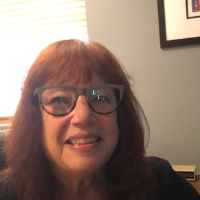
New York · 30 yrs exp
LCSW in New York - Relationships and Anxiety
Stress, Anxiety · Relationship · Parenting · Self esteem · +11 more
Read profile
Michigan · 21 yrs exp
LMSW - Stress and relationship concerns
Stress, Anxiety · Relationship · Family · Bipolar · +14 more
Read profile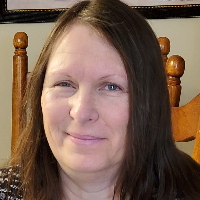
Virginia · 19 yrs exp
Licensed Professional Counselor - Anxiety and Life Changes
Stress, Anxiety · Grief · Self esteem · Depression · +11 more
Read profile
Louisiana · 10 yrs exp
Licensed counselor - anxiety and life changes
Stress, Anxiety · Grief · Anger · Depression · +8 more
Read profile
Indiana · 11 yrs exp
LCSW - anxiety and life changes
Stress, Anxiety · Grief · Depression · Coping with life changes · +8 more
Read profile
South Dakota · 12 yrs exp
Licensed counselor - Anxiety and relationships
Stress, Anxiety · Relationship · Family · Trauma and abuse · +13 more
Read profile
Arizona · 30 yrs exp
LPC counselor - stress and trauma
Stress, Anxiety · Trauma and abuse · Self esteem · Career · +11 more
Read profile
Pennsylvania · 9 yrs exp
LPC in Pennsylvania - Stress and Relationship Help
Stress, Anxiety · Grief · Parenting · Self esteem · +11 more
Read profile
Florida · 22 yrs exp
LCSW - Anxiety and Depression support
Stress, Anxiety · Self esteem · Depression · Coping with life changes · +5 more
Read profile
New Jersey · 8 yrs exp
LCSW - Anxiety and Mood Concerns
Stress, Anxiety · Relationship · Trauma and abuse · Bipolar · +14 more
Read profile
Florida · 10 yrs exp
LMHC - Anxiety and Parenting
Stress, Anxiety · Family · Parenting · Self esteem · +10 more
Read profile
Florida · 20 yrs exp
Licensed Mental Health Counselor - Anxiety and Life Changes
Stress, Anxiety · Relationship · Family · Self esteem · +9 more
Read profile
Texas · 10 yrs exp
Licensed Marriage and Family Therapist - Relationships and Stress
Stress, Anxiety · Relationship · Family · Parenting · +5 more
Read profile
Texas · 8 yrs exp
Licensed Clinical Social Worker - Anxiety and Depression
Stress, Anxiety · Relationship · Self esteem · Depression · +8 more
Read profile
Texas · 33 yrs exp
Licensed Clinical Social Worker - Relationships and Stress
Stress, Anxiety · Relationship · Family · Self esteem · +11 more
Read profile
Texas · 20 yrs exp
LICSW LCSW - Stress and Addictions
Stress, Anxiety · Addictions · Family · Grief · +15 more
Read profile
Ohio · 20 yrs exp
Ohio LISW - Anxiety and Stress focus
Stress, Anxiety · LGBT · Family · Grief · +16 more
Read profile
Virginia · 47 yrs exp
LCSW - Depression and Anxiety
Stress, Anxiety · Relationship · Grief · Self esteem · +10 more
Read profileCommunication problems cover a wide range of patterns that make it hard for you and the people around you to exchange thoughts, feelings, and practical needs. These difficulties can show up as repeated arguments that never feel resolved, withdrawal or avoidance of important conversations, misunderstandings that escalate quickly, or an ongoing sense that you are not being heard. In relationships, communication problems often create distance and mistrust, even when both parties care deeply about each other. At work, unclear messages or conflict styles can reduce collaboration and increase stress. For families, generational differences in how emotions are expressed or how expectations are set can intensify everyday challenges.
Because communication is central to most relationships, problems in this area can ripple outward and affect sleep, concentration, mood, and your sense of connection. You may find that small disagreements trigger disproportionate reactions, or that you repeatedly repeat the same patterns despite wanting change. Therapy for communication problems focuses on the habits, assumptions, and emotional dynamics that shape how you interact so that conversations become more productive and more reflective of your true needs.
You might decide to explore therapy when conversations leave you feeling misunderstood, exhausted, or disconnected. If you notice that discussions frequently end with resentment, silent treatment, or rounds of blame, those are signals that the way you relate to one another is stuck in a pattern. You may also feel anxious before conversations or avoid important topics altogether because you expect a negative outcome. Repeated cycles of trying to explain yourself without being heard, or walking away from conflict convinced you cannot change the dynamic, are common reasons people seek help.
Other signs include a mismatch between what you say and how the other person hears it, frequent escalations over seemingly minor issues, or difficulty setting boundaries without guilt or recrimination. If children, extended family, or coworkers are affected by strained communication, therapy can offer tools that address the broader system as well as individual habits. Therapy is not only for moments of crisis; it can also help you strengthen everyday skills so that you feel more confident initiating and sustaining healthy conversations over time.
In early sessions you and the therapist typically spend time mapping the communication patterns you want to change. This includes identifying recurring triggers, the roles people fall into during conflicts, and what each person hopes to achieve. The therapist will listen for how emotions, assumptions, and past experiences shape interactions. You can expect a collaborative pace where the therapist asks questions, reflects back what they hear, and helps you notice dynamics that may be invisible when you are mid-conversation.
Therapy focused on communication often includes practical skill-building, such as learning to use clear, specific language, practicing reflective listening, and experimenting with structured turn-taking so each person feels heard. Sessions may include role-play or guided exercises to try new ways of speaking and responding. The aim is to translate insights into concrete habits you can use in real life, so you will likely be invited to notice interactions between sessions and bring examples to discuss.
Alongside skill practice, therapy attends to the emotional landscape that fuels communication problems. You may explore how past hurts, fears of rejection, or patterns learned in earlier relationships shape your current responses. This deeper work helps you understand why certain topics provoke intense reactions and provides tools to regulate emotions so conversation can proceed without overwhelming escalation. Over time, this combination of emotional insight and communication technique supports more consistent, meaningful exchange.
Therapists draw on a variety of theoretical approaches to support people with communication problems. Cognitive and behavioral approaches focus on identifying unhelpful thought patterns and practicing new, more effective communication behaviors. Interpersonal therapies pay attention to how you relate to others and aim to improve the skills you use in social and relational contexts. Family systems approaches look at patterns across multiple members of a family and try to shift the roles and feedback loops that maintain conflict.
Emotion-focused modalities concentrate on the emotional processes that underlie interaction, helping you and others access and express feelings in ways that foster connection rather than defensiveness. Some therapists emphasize attachment theory to help you understand how early caregiving experiences influence your current expectations and fears in close relationships. There are also therapists who list specific methods such as narrative approaches, mindfulness-based practices, or approaches centered on communication skills training among their approaches. When you review listings, you will often see a mix of approaches that practitioners use to tailor work to different needs and situations.
Online therapy allows you to engage in sessions from your home or another comfortable setting, and many therapists offer video or phone sessions for individuals, couples, and families. For couples or family work the technology permits all participants to join from different locations, which can be helpful if schedules, geography, or health considerations make in-person meetings difficult. You should plan for sessions that are focused and agenda-driven, with the therapist guiding turn-taking and prompting exercises that you can practice within the session and then apply between meetings.
When choosing a therapist for communication problems consider several practical factors. Look at the kinds of relationships the therapist lists as their focus - for example couples, parent-child relationships, sibling dynamics, or workplace interactions - and whether their described approaches align with the style of work you prefer. Pay attention to languages spoken, cultural competence statements, and experience with populations similar to yours. Reading profile summaries can help you determine who emphasizes skills training, who focuses on emotional processing, and who works systemically with groups of people rather than individually.
It can be helpful to prepare a short summary of the communication patterns you want to address before reaching out. Think about what you hope will change, examples of recent interactions that were unhelpful, and what has or has not worked in the past. That clarity makes it easier to compare therapists by how they describe their work and to choose someone whose approach matches your goals. Finally, give yourself time to see whether a therapist's style resonates with you. Effective work on communication often involves trying new practices and adjusting strategies along the way, and a good match in approach and interpersonal fit will help you make steady progress.
Tackling communication problems is work that often yields compounded benefits - clearer conversations tend to reduce friction, increase cooperation, and strengthen the sense of connection across relationships. Whether you come to therapy for a specific conflict, to learn tools for everyday communication, or to address long-standing patterns, you can expect a focus on practical skills and emotional understanding that supports change over time. By reviewing profiles and noting the approaches and areas of focus that align with your needs, you can find a professional partner to help reframe conversations and rebuild more effective ways of relating.
Alabama
134 therapists
Alaska
18 therapists
Arizona
114 therapists
Arkansas
67 therapists
Australia
138 therapists
California
590 therapists
Colorado
188 therapists
Connecticut
63 therapists
Delaware
19 therapists
District of Columbia
24 therapists
Florida
979 therapists
Georgia
291 therapists
Hawaii
27 therapists
Idaho
47 therapists
Illinois
294 therapists
Indiana
136 therapists
Iowa
40 therapists
Kansas
68 therapists
Kentucky
108 therapists
Louisiana
170 therapists
Maine
40 therapists
Maryland
114 therapists
Massachusetts
91 therapists
Michigan
320 therapists
Minnesota
93 therapists
Mississippi
90 therapists
Missouri
232 therapists
Montana
54 therapists
Nebraska
35 therapists
Nevada
47 therapists
New Hampshire
23 therapists
New Jersey
182 therapists
New Mexico
52 therapists
New York
351 therapists
North Carolina
348 therapists
North Dakota
11 therapists
Ohio
216 therapists
Oklahoma
127 therapists
Oregon
67 therapists
Pennsylvania
281 therapists
Rhode Island
15 therapists
South Carolina
169 therapists
South Dakota
18 therapists
Tennessee
139 therapists
Texas
898 therapists
United Kingdom
912 therapists
Utah
67 therapists
Vermont
13 therapists
Virginia
179 therapists
Washington
120 therapists
West Virginia
29 therapists
Wisconsin
128 therapists
Wyoming
24 therapists