
Velma Jones
LCSWNew York · 29 yrs exp
LCSW in New York - Mood and relationship work
Stress, Anxiety · Relationship · Trauma and abuse · Depression · +10 more
Read profileTherapist listings are provided by BetterHelp. We will earn a commission at no additional cost to you if you use our links to purchase.
On this page you will find therapists who list post-traumatic stress among their specialty areas, along with details about their approaches, credentials and languages. Browse the listings below to learn more about professionals who focus on helping people manage the effects of trauma.
New York · 29 yrs exp
LCSW in New York - Mood and relationship work
Stress, Anxiety · Relationship · Trauma and abuse · Depression · +10 more
Read profile
Florida · 14 yrs exp
Marsha Oxamendi LCSW - Anxiety and Stress
Stress, Anxiety · Grief · Anger · Self esteem · +12 more
Read profile
Illinois · 17 yrs exp
LCSW - trauma and mood support
Trauma and abuse · Coping with life changes · Stress, Anxiety · Relationship · +9 more
Read profile
South Carolina · 16 yrs exp
Licensed MFT - Relationships and Anxiety
Stress, Anxiety · Relationship · Family · Parenting · +14 more
Read profile
Florida · 20 yrs exp
LMHC - Addiction and stress care
Stress, Anxiety · Addictions · Relationship · Self esteem · +16 more
Read profile
Minnesota · 25 yrs exp
Licensed Professional Counselor - Stress and Anxiety
Stress, Anxiety · Relationship · Grief · Self esteem · +9 more
Read profile
Texas · 25 yrs exp
LPC in Texas - stress and relationship focus
Stress, Anxiety · Relationship · Parenting · Anger · +8 more
Read profile
New York · 24 yrs exp
LCSW in New York - anxiety and depression
Stress, Anxiety · Relationship · Anger · Self esteem · +12 more
Read profile
Kansas · 12 yrs exp
LCMFT in Kansas - Relationships and Anxiety
Stress, Anxiety · Relationship · Intimacy-related issues · Depression · +13 more
Read profile
North Carolina · 51 yrs exp
Licensed counselor - relationships and mood
Relationship · Intimacy-related issues · Parenting · Self esteem · +12 more
Read profile
Georgia · 8 yrs exp
LPC counselor - anxiety and relationships
Stress, Anxiety · Relationship · Family · Grief · +11 more
Read profile
Kentucky · 18 yrs exp
LMFT - Relationships and Identity
LGBT · Relationship · Family · Self esteem · +14 more
Read profile
Colorado · 15 yrs exp
LPC in Colorado - Relationships and Anxiety
Stress, Anxiety · Relationship · Intimacy-related issues · Self esteem · +10 more
Read profile
Michigan · 5 yrs exp
Licensed Professional Counselor - Stress and Anxiety
Stress, Anxiety · Relationship · Family · Self esteem · +12 more
Read profile
Pennsylvania · 12 yrs exp
Licensed counselor - anxiety and relationships
Stress, Anxiety · Relationship · Self esteem · Depression · +11 more
Read profile
Florida · 26 yrs exp
LMHC - Depression and Anxiety Focus
Relationship · Grief · Self esteem · Depression · +13 more
Read profile
Missouri · 16 yrs exp
LCSW - Stress and mood concerns
Stress, Anxiety · Trauma and abuse · Self esteem · Bipolar · +12 more
Read profile
North Carolina · 10 yrs exp
LCSW therapist - anxiety and relationships
Stress, Anxiety · Relationship · Family · Bipolar · +16 more
Read profile
Texas · 17 yrs exp
Licensed Professional Counselor - Stress and Anxiety
Stress, Anxiety · Family · Depression · Coping with life changes · +12 more
Read profile
Oregon · 14 yrs exp
Licensed Professional Counselor - Anxiety and Depression
Grief · Self esteem · Career · Depression · +8 more
Read profile
Missouri · 7 yrs exp
Licensed Professional Counselor - Anxiety and Addictions
Stress, Anxiety · Addictions · Relationship · Self esteem · +13 more
Read profile
Florida · 17 yrs exp
LMHC - Relationships and Addictions
Stress, Anxiety · Addictions · Relationship · Family · +14 more
Read profile
Texas · 10 yrs exp
LPC in Texas - Anxiety and Relationship support
Stress, Anxiety · Relationship · Family · Depression · +14 more
Read profile
Texas · 11 yrs exp
Licensed Professional Counselor - Anxiety and Relationships
Stress, Anxiety · Relationship · Family · Parenting · +9 more
Read profile
Florida · 14 yrs exp
Florida LMHC - Anxiety and Relationships
Stress, Anxiety · Trauma and abuse · Bipolar · Depression · +16 more
Read profile
Texas · 13 yrs exp
Licensed counselor and family therapist - relationships and addiction
Stress, Anxiety · LGBT · Relationship · Trauma and abuse · +12 more
Read profile
Minnesota · 23 yrs exp
Licensed Marriage and Family Therapist - Stress and Relationships
Stress, Anxiety · Relationship · Trauma and abuse · Self esteem · +13 more
Read profile
Florida · 30 yrs exp
LMHC - CBT and practical skills
Stress, Anxiety · Trauma and abuse · Bipolar · Depression · +16 more
Read profile
Louisiana · 16 yrs exp
LCSW - Anxiety and Relationship Concerns
Stress, Anxiety · Relationship · Trauma and abuse · Bipolar · +16 more
Read profile
South Carolina · 10 yrs exp
LISW-CP - Anxiety and Relationship work
Stress, Anxiety · Relationship · Family · Trauma and abuse · +1 more
Read profile
Louisiana · 22 yrs exp
Licensed LMFT LPC - Anxiety and Relationships
Stress, Anxiety · Relationship · Family · Grief · +11 more
Read profile
North Carolina · 18 yrs exp
Dr Shelia Williamson Collins LPC LCPC - Mood and addiction support
Stress, Anxiety · Addictions · Trauma and abuse · Anger · +13 more
Read profile
New York · 30 yrs exp
LCSW in New York - Relationships and Anxiety
Stress, Anxiety · Relationship · Parenting · Self esteem · +11 more
Read profile
Michigan · 21 yrs exp
LMSW - Stress and relationship concerns
Stress, Anxiety · Relationship · Family · Bipolar · +14 more
Read profile
South Dakota · 12 yrs exp
Licensed counselor - Anxiety and relationships
Stress, Anxiety · Relationship · Family · Trauma and abuse · +13 more
Read profile
Arizona · 30 yrs exp
LPC counselor - stress and trauma
Stress, Anxiety · Trauma and abuse · Self esteem · Career · +11 more
Read profile
New Jersey · 8 yrs exp
LCSW - Anxiety and Mood Concerns
Stress, Anxiety · Relationship · Trauma and abuse · Bipolar · +14 more
Read profile
Texas · 33 yrs exp
Licensed Clinical Social Worker - Relationships and Stress
Stress, Anxiety · Relationship · Family · Self esteem · +11 more
Read profile
Texas · 20 yrs exp
LICSW LCSW - Stress and Addictions
Stress, Anxiety · Addictions · Family · Grief · +15 more
Read profile
Ohio · 20 yrs exp
Ohio LISW - Anxiety and Stress focus
Stress, Anxiety · LGBT · Family · Grief · +16 more
Read profile
Virginia · 13 yrs exp
LPC in Virginia - Anxiety and Stress
Stress, Anxiety · Anger · Self esteem · Depression · +9 more
Read profile
Texas · 4 yrs exp
LPC in Texas - Anxiety and Relationship Concerns
Stress, Anxiety · Addictions · Relationship · Family · +3 more
Read profile
North Carolina · 25 yrs exp
Licensed counselor - anxiety and trauma
Stress, Anxiety · Addictions · Family · Trauma and abuse · +11 more
Read profile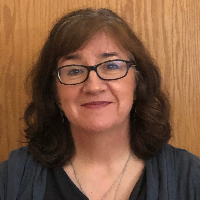
Wisconsin · 17 yrs exp
LPC in Wisconsin - Anxiety and Relationships
Stress, Anxiety · Relationship · Trauma and abuse · Self esteem · +11 more
Read profile
New Mexico · 3 yrs exp
Licensed Clinical Social Worker - trauma and anxiety
Stress, Anxiety · Trauma and abuse · Depression · Compassion fatigue · +9 more
Read profile
Michigan · 24 yrs exp
LCSW counselor - Stress and addiction care
Stress, Anxiety · Addictions · Relationship · Family · +1 more
Read profile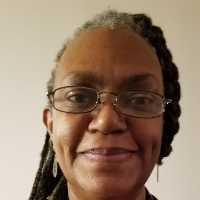
Maryland · 25 yrs exp
LCPC in Maryland - Stress and Addiction work
Stress, Anxiety · Addictions · Relationship · Grief · +12 more
Read profile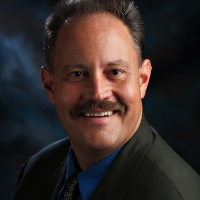
Louisiana · 25 yrs exp
Dr Robert Hanser LPC - Addiction and Trauma
Addictions · Relationship · Family · Trauma and abuse · +11 more
Read profile
California · 20 yrs exp
Licensed Clinical Social Worker - Stress and Relationship concerns
Stress, Anxiety · Relationship · Family · Parenting · +15 more
Read profile
Florida · 32 yrs exp
LMHC in Florida - Mood and relationship concerns
Stress, Anxiety · Relationship · Trauma and abuse · Bipolar · +8 more
Read profile
Kansas · 17 yrs exp
Licensed counselor - anxiety and relationships
Stress, Anxiety · Relationship · Family · Anger · +10 more
Read profile
Florida · 28 yrs exp
LCSW - Anxiety and Addiction support
Stress, Anxiety · Addictions · Trauma and abuse · Self esteem · +13 more
Read profile
New York · 14 yrs exp
LCSW - Stress and relationship concerns
Stress, Anxiety · Relationship · Trauma and abuse · Self esteem · +5 more
Read profile
North Carolina · 10 yrs exp
LCSW in North Carolina - Stress and Trauma
Stress, Anxiety · Family · Parenting · Anger · +8 more
Read profile
Florida · 20 yrs exp
LMFT - Stress and relationship concerns
Stress, Anxiety · Trauma and abuse · Anger · Self esteem · +1 more
Read profile
North Carolina · 30 yrs exp
LCMHC counselor - anxiety and life transitions
Stress, Anxiety · Addictions · LGBT · Trauma and abuse · +1 more
Read profile
New Jersey · 10 yrs exp
LMHC and LPC - Relationships and Anxiety
Stress, Anxiety · Relationship · Family · Parenting · +4 more
Read profile
Iowa · 9 yrs exp
Licensed Independent Social Worker - Relationships and Stress
Stress, Anxiety · Relationship · Family · Trauma and abuse · +8 more
Read profile
South Carolina · 25 yrs exp
Licensed Professional Counselor - Anxiety and Trauma
Stress, Anxiety · LGBT · Relationship · Trauma and abuse · +9 more
Read profile
Florida · 20 yrs exp
Licensed Mental Health Counselor - Stress and Anxiety
Stress, Anxiety · Relationship · Grief · Self esteem · +1 more
Read profilePost-traumatic stress refers to a range of emotional, cognitive and physical responses that can follow exposure to a distressing event or series of events. People experience these responses in different ways - some notice intrusive memories, nightmares or flashbacks that interrupt daily life, while others feel a persistent sense of threat, heightened startle reactions, or difficulty trusting others. Your relationships, work, sleep and sense of safety can all be affected even when the original event is no longer happening. Over time, avoidance of reminders and numbing of emotions can develop as ways to cope, which may reduce immediate discomfort but also make it harder to process the experience and move forward.
It helps to remember that reactions to trauma are varied and that not everyone who experiences a traumatic event will have ongoing symptoms. The intensity, duration and combination of symptoms - and how they affect your functioning - are what typically guide whether seeking specialized support is appropriate. Therapy for post-traumatic stress aims to reduce distressing symptoms, improve your ability to manage triggers and rebuild a sense of control and meaning after traumatic experiences.
You may want to consider looking for a therapist if you find that memories of a past event are frequent, overwhelming or intrusive enough to interfere with your day-to-day life. Persistent avoidance of places, people or activities that remind you of the event can indicate that you are maintaining distress through avoidance. Sleep problems, recurring nightmares, and difficulty concentrating are common and can erode your resilience over time. You might notice an increase in irritability, anger, or a sense of being constantly on guard, which can strain relationships and make work or school more difficult.
Emotional numbing, feeling disconnected from others, or a shift in beliefs about yourself and the world - for example, feeling that you are unsafe or that people cannot be trusted - are important signals that targeted support could help. Sometimes physical symptoms such as tension, headaches or gastrointestinal distress are linked to persistent stress reactions. If these signs are present and affecting your ability to function, therapy can offer tools to manage symptoms and to process the experience in a paced, supportive way.
In the first few sessions you can expect your therapist to ask about your history, the event or events that are affecting you, current symptoms and how those symptoms impact your daily life. This assessment helps shape a treatment plan that reflects your priorities and goals. You and the therapist will likely discuss what feels manageable to address first and set a pace that respects your comfort and safety. You should feel free to ask about a therapist’s approach to trauma, how they work with people who have similar concerns, and what techniques they commonly use. Remember that therapists describe their methods in different ways, and you can look for language that aligns with how you want to work on healing.
Ongoing sessions often include building coping skills to manage distress between meetings, practicing strategies for grounding when memories or triggers arise, and gradually addressing the memories and meanings connected to the trauma. Some therapists focus on skills to reduce physiological arousal and improve sleep and concentration, while others emphasize processing the story of the event and how it fits into your life. The rhythm of sessions may shift over time from stabilizing symptoms to targeted work on traumatic memories and then to consolidation and relapse prevention. You should expect collaboration about goals and adjustments if something feels overwhelming or insufficiently helpful.
Therapists use a variety of approaches when working with post-traumatic stress. Cognitive-behavioral strategies often appear, helping you identify and shift patterns of thinking that keep fear and avoidance in place. Some clinicians describe exposure-based techniques that involve gradual, supported confrontation with memories or situations you have been avoiding. Other practitioners highlight narrative-focused work that helps you make sense of what happened and how it has shaped your beliefs. You may also find therapists who list EMDR among their approaches, or who use mindfulness and body-based methods to address physiological aspects of stress. It is important to note that seeing an approach listed in a profile does not by itself guarantee specific training - profiles indicate what a therapist uses in practice, and you can ask directly about their experience and how they apply particular methods to trauma-related concerns.
Online therapy offers an accessible way to connect with professionals who focus on post-traumatic stress, especially if in-person options are limited by location or mobility. Sessions typically occur through video or phone calls, and many therapists adapt established trauma-focused techniques for remote delivery. You can work on skills for managing anxiety, practice grounding exercises, and engage in narrative or cognitive work in a virtual format. For some people, being in a familiar environment during sessions makes it easier to practice coping skills and to integrate changes into daily life. For others, an in-person setting feels more comfortable; your preferences should guide the choice between online and face-to-face care.
When you pursue online therapy, consider practical factors such as the technology used, privacy of the session environment, and how you will handle moments of heightened distress between sessions. You may discuss with your therapist strategies for staying regulated outside of appointments and identify local resources if additional in-person support is needed. Many therapists are experienced in tailoring their approach to the online context, but it is reasonable to ask how they adapt specific techniques for remote work and what supports they recommend to maintain emotional safety during and between sessions.
Start by thinking about the characteristics that matter most to you. Some people prefer a therapist who emphasizes skills and symptom management, while others seek someone whose work centers on processing memories and meaning. Profiles that list focus areas, approaches, credentials and languages can help you identify clinicians whose descriptions align with your priorities. Experience with trauma-related work is often described in terms of populations or types of concerns a therapist has worked with, so look for language that matches your situation rather than assuming a particular label implies expertise.
Consider logistical and relational factors as well. The languages a therapist speaks, their communication style, and whether their approach feels collaborative or directive can all affect the therapeutic fit. You can read profiles to get a sense of how therapists describe their work and then reach out to ask questions about their perspectives on safety, pacing and how they support clients through difficult emotions. Trust your sense of connection after an initial conversation - feeling heard and respected is a key element of effective therapy. Finally, plan for practicalities such as session length, fees and how notes or documentation are handled, as these elements help you establish a stable framework for committing to the work.
When exploring the listings below, use the profile details to compare focus areas, approaches, credentials and languages, and to identify professionals whose descriptions resonate with what you want from therapy. Taking time to find a therapist who matches your needs increases the chance that you will feel comfortable engaging with the process and making steady progress toward managing post-traumatic stress.
Alabama
134 therapists
Alaska
18 therapists
Arizona
114 therapists
Arkansas
67 therapists
Australia
138 therapists
California
590 therapists
Colorado
188 therapists
Connecticut
63 therapists
Delaware
19 therapists
District of Columbia
24 therapists
Florida
979 therapists
Georgia
291 therapists
Hawaii
27 therapists
Idaho
47 therapists
Illinois
294 therapists
Indiana
136 therapists
Iowa
40 therapists
Kansas
68 therapists
Kentucky
108 therapists
Louisiana
170 therapists
Maine
40 therapists
Maryland
114 therapists
Massachusetts
91 therapists
Michigan
320 therapists
Minnesota
93 therapists
Mississippi
90 therapists
Missouri
232 therapists
Montana
54 therapists
Nebraska
35 therapists
Nevada
47 therapists
New Hampshire
23 therapists
New Jersey
182 therapists
New Mexico
52 therapists
New York
351 therapists
North Carolina
348 therapists
North Dakota
11 therapists
Ohio
216 therapists
Oklahoma
127 therapists
Oregon
67 therapists
Pennsylvania
281 therapists
Rhode Island
15 therapists
South Carolina
169 therapists
South Dakota
18 therapists
Tennessee
139 therapists
Texas
898 therapists
United Kingdom
912 therapists
Utah
67 therapists
Vermont
13 therapists
Virginia
179 therapists
Washington
120 therapists
West Virginia
29 therapists
Wisconsin
128 therapists
Wyoming
24 therapists