
Velma Jones
LCSWNew York · 29 yrs exp
LCSW in New York - Mood and relationship work
Stress, Anxiety · Relationship · Trauma and abuse · Depression · +10 more
Read profileTherapist listings are provided by BetterHelp. We will earn a commission at no additional cost to you if you use our links to purchase.
Explore therapists who focus on young adult issues, from identity and relationships to work and education transitions. Use the listings below to review profiles, approaches, languages, and areas of emphasis to find the right fit for your needs. Start browsing to learn how different clinicians describe their focus and methods.
New York · 29 yrs exp
LCSW in New York - Mood and relationship work
Stress, Anxiety · Relationship · Trauma and abuse · Depression · +10 more
Read profile
Michigan · 25 yrs exp
Licensed Professional Counselor - Stress and Anxiety
Stress, Anxiety · LGBT · Relationship · Grief · +10 more
Read profile
Illinois · 17 yrs exp
LCSW - trauma and mood support
Trauma and abuse · Coping with life changes · Stress, Anxiety · Relationship · +9 more
Read profile
South Carolina · 16 yrs exp
Licensed MFT - Relationships and Anxiety
Stress, Anxiety · Relationship · Family · Parenting · +14 more
Read profile
Florida · 20 yrs exp
LMHC - Addiction and stress care
Stress, Anxiety · Addictions · Relationship · Self esteem · +16 more
Read profile
Kansas · 12 yrs exp
LCMFT in Kansas - Relationships and Anxiety
Stress, Anxiety · Relationship · Intimacy-related issues · Depression · +13 more
Read profile
Kentucky · 18 yrs exp
LMFT - Relationships and Identity
LGBT · Relationship · Family · Self esteem · +14 more
Read profile
Ohio · 3 yrs exp
LPCC in Ohio - CBT and client-centered work
Addictions · Family · Anger · Depression · +6 more
Read profile
Michigan · 5 yrs exp
Licensed Professional Counselor - Stress and Anxiety
Stress, Anxiety · Relationship · Family · Self esteem · +12 more
Read profile
Pennsylvania · 12 yrs exp
Licensed counselor - anxiety and relationships
Stress, Anxiety · Relationship · Self esteem · Depression · +11 more
Read profile
Florida · 26 yrs exp
LMHC - Depression and Anxiety Focus
Relationship · Grief · Self esteem · Depression · +13 more
Read profile
Missouri · 16 yrs exp
LCSW - Stress and mood concerns
Stress, Anxiety · Trauma and abuse · Self esteem · Bipolar · +12 more
Read profile
North Carolina · 10 yrs exp
LCSW therapist - anxiety and relationships
Stress, Anxiety · Relationship · Family · Bipolar · +16 more
Read profile
Texas · 17 yrs exp
Licensed Professional Counselor - Stress and Anxiety
Stress, Anxiety · Family · Depression · Coping with life changes · +12 more
Read profile
Missouri · 7 yrs exp
Licensed Professional Counselor - Anxiety and Addictions
Stress, Anxiety · Addictions · Relationship · Self esteem · +13 more
Read profile
Florida · 17 yrs exp
LMHC - Relationships and Addictions
Stress, Anxiety · Addictions · Relationship · Family · +14 more
Read profile
Texas · 10 yrs exp
LPC in Texas - Anxiety and Relationship support
Stress, Anxiety · Relationship · Family · Depression · +14 more
Read profile
Texas · 11 yrs exp
Licensed Professional Counselor - Anxiety and Relationships
Stress, Anxiety · Relationship · Family · Parenting · +9 more
Read profile
Texas · 12 yrs exp
Texas LPC - Mood and trauma support
Stress, Anxiety · Self esteem · Career · Depression · +9 more
Read profile
Florida · 14 yrs exp
Florida LMHC - Anxiety and Relationships
Stress, Anxiety · Trauma and abuse · Bipolar · Depression · +16 more
Read profile
Texas · 13 yrs exp
Licensed counselor and family therapist - relationships and addiction
Stress, Anxiety · LGBT · Relationship · Trauma and abuse · +12 more
Read profile
Minnesota · 23 yrs exp
Licensed Marriage and Family Therapist - Stress and Relationships
Stress, Anxiety · Relationship · Trauma and abuse · Self esteem · +13 more
Read profile
Louisiana · 16 yrs exp
LCSW - Anxiety and Relationship Concerns
Stress, Anxiety · Relationship · Trauma and abuse · Bipolar · +16 more
Read profile
Louisiana · 22 yrs exp
Licensed LMFT LPC - Anxiety and Relationships
Stress, Anxiety · Relationship · Family · Grief · +11 more
Read profile
Florida · 10 yrs exp
Licensed Clinical Social Worker - Stress and Relationships
Stress, Anxiety · Addictions · Family · Grief · +8 more
Read profile
Texas · 20 yrs exp
LPC in Texas - anxiety and life transitions
Family · Grief · Parenting · Self esteem · +7 more
Read profile
Michigan · 15 yrs exp
LPC in Michigan - anxiety and life changes
Stress, Anxiety · Anger · Self esteem · Depression · +10 more
Read profile
Florida · 13 yrs exp
LMHC in Florida - stress and anxiety focus
Stress, Anxiety · Self esteem · Career · Depression · +3 more
Read profile
New York · 30 yrs exp
LCSW in New York - Relationships and Anxiety
Stress, Anxiety · Relationship · Parenting · Self esteem · +11 more
Read profile
Michigan · 21 yrs exp
LMSW - Stress and relationship concerns
Stress, Anxiety · Relationship · Family · Bipolar · +14 more
Read profile
South Dakota · 12 yrs exp
Licensed counselor - Anxiety and relationships
Stress, Anxiety · Relationship · Family · Trauma and abuse · +13 more
Read profile
Pennsylvania · 9 yrs exp
LPC in Pennsylvania - Stress and Relationship Help
Stress, Anxiety · Grief · Parenting · Self esteem · +11 more
Read profile
Florida · 10 yrs exp
LMHC - Anxiety and Parenting
Stress, Anxiety · Family · Parenting · Self esteem · +10 more
Read profile
Florida · 20 yrs exp
Licensed Mental Health Counselor - Anxiety and Life Changes
Stress, Anxiety · Relationship · Family · Self esteem · +9 more
Read profile
Texas · 10 yrs exp
Licensed Marriage and Family Therapist - Relationships and Stress
Stress, Anxiety · Relationship · Family · Parenting · +5 more
Read profile
Texas · 33 yrs exp
Licensed Clinical Social Worker - Relationships and Stress
Stress, Anxiety · Relationship · Family · Self esteem · +11 more
Read profile
Texas · 20 yrs exp
LICSW LCSW - Stress and Addictions
Stress, Anxiety · Addictions · Family · Grief · +15 more
Read profile
Ohio · 20 yrs exp
Ohio LISW - Anxiety and Stress focus
Stress, Anxiety · LGBT · Family · Grief · +16 more
Read profile
Georgia · 3 yrs exp
Licensed counselor - relationships and anxiety
Stress, Anxiety · Relationship · Family · Intimacy-related issues · +6 more
Read profile
Virginia · 13 yrs exp
LPC in Virginia - Anxiety and Stress
Stress, Anxiety · Anger · Self esteem · Depression · +9 more
Read profile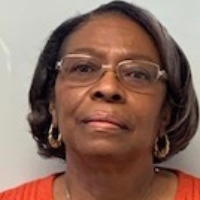
Alabama · 20 yrs exp
LPC in Alabama - Anxiety and Life Changes
Stress, Anxiety · Relationship · Grief · Depression · +9 more
Read profile
North Carolina · 16 yrs exp
LMFT - Stress and relationship concerns
Stress, Anxiety · Relationship · Family · Parenting · +8 more
Read profile
Wisconsin · 17 yrs exp
LPC in Wisconsin - Anxiety and Relationships
Stress, Anxiety · Relationship · Trauma and abuse · Self esteem · +11 more
Read profile
Oregon · 15 yrs exp
Licensed Professional Counselor - Anxiety and Addictions
Stress, Anxiety · Addictions · Relationship · Trauma and abuse · +12 more
Read profile
Texas · 10 yrs exp
LPC in Texas - stress and anxiety help
Stress, Anxiety · Self esteem · Career · Coping with life changes · +1 more
Read profile
New Mexico · 3 yrs exp
Licensed Clinical Social Worker - trauma and anxiety
Stress, Anxiety · Trauma and abuse · Depression · Compassion fatigue · +9 more
Read profile
Florida · 28 yrs exp
LCSW in Florida - Mood and behavior concerns
Addictions · Trauma and abuse · Parenting · Bipolar · +15 more
Read profile
Illinois · 38 yrs exp
Illinois LCPC - Stress and Anxiety
Stress, Anxiety · Self esteem · Depression · Coping with life changes · +9 more
Read profile
California · 20 yrs exp
Licensed Clinical Social Worker - Stress and Relationship concerns
Stress, Anxiety · Relationship · Family · Parenting · +15 more
Read profile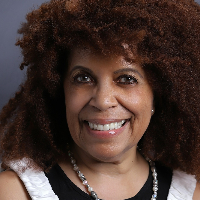
Tennessee · 15 yrs exp
LCSW - Stress and relationships
Stress, Anxiety · Relationship · Family · Self esteem · +9 more
Read profile
New York · 15 yrs exp
LCSW - Anxiety and Addictions
Stress, Anxiety · Addictions · Relationship · Self esteem · +10 more
Read profile
Florida · 32 yrs exp
LMHC in Florida - Mood and relationship concerns
Stress, Anxiety · Relationship · Trauma and abuse · Bipolar · +8 more
Read profile
Kansas · 17 yrs exp
Licensed counselor - anxiety and relationships
Stress, Anxiety · Relationship · Family · Anger · +10 more
Read profile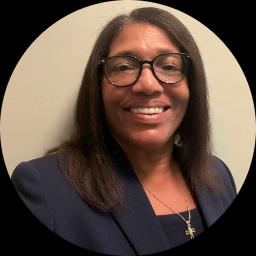
Mississippi · 36 yrs exp
LCSW - Family and parenting support
Family · Parenting · Anger · Self esteem · +11 more
Read profile
Florida · 28 yrs exp
LCSW - Anxiety and Addiction support
Stress, Anxiety · Addictions · Trauma and abuse · Self esteem · +13 more
Read profile
New York · 14 yrs exp
LCSW - Stress and relationship concerns
Stress, Anxiety · Relationship · Trauma and abuse · Self esteem · +5 more
Read profile
Michigan · 13 yrs exp
Licensed Professional Counselor - Trauma and ADHD
Trauma and abuse · Intimacy-related issues · ADHD · Eating · +1 more
Read profile
Wyoming · 14 yrs exp
LCSW in Wyoming - anxiety and depression
Addictions · Relationship · Depression · Coping with life changes · +11 more
Read profile
Missouri · 16 yrs exp
Licensed Professional Counselor - Anxiety and Relationships
Stress, Anxiety · Relationship · Family · Self esteem · +2 more
Read profile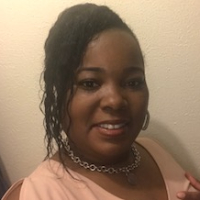
Louisiana · 10 yrs exp
Licensed Professional Counselor - Anxiety and Relationships
Stress, Anxiety · Trauma and abuse · Anger · Self esteem · +8 more
Read profileYoung adult issues refer to the cluster of emotional, relational, educational, occupational, and identity challenges that often appear during the late teens through the twenties and sometimes into the early thirties. This period often brings major changes - leaving home, starting college, beginning a career, forming intimate relationships, and making independent decisions about health and finances. Those transitions can feel exhilarating at times and overwhelming at others. You may find that the expectations placed on you, or the gap between where you are and where you thought you would be, create anxiety, low mood, or persistent stress that affects daily functioning.
Problems that are sometimes grouped under young adult issues include difficulty adjusting to new responsibilities, trouble forming or maintaining relationships, uncertainty about identity or life direction, and struggles with boundaries and autonomy in family dynamics. These concerns can show up as disrupted sleep, concentration problems, increased irritability, withdrawal from activities you once enjoyed, or a steady sense of being stuck. While experiencing challenges during this phase is common, therapy can help you explore what is happening beneath the surface, learn practical coping strategies, and navigate choices with more clarity.
You might consider seeking therapy if you notice patterns that interfere with your goals, relationships, or sense of well-being. If you are frequently overwhelmed by decisions about school, work, or relationships, if social situations leave you feeling isolated or ashamed, or if you find that worry or low mood are limiting your ability to move forward, a therapist can be a resource. It is also helpful to seek support when difficult emotions persist beyond expected timeframes after life changes, or when you repeatedly encounter similar conflicts in romantic partnerships, friendships, or family interactions.
Other signs include persistent difficulty setting boundaries, repeated career dissatisfaction, trouble managing finances or daily routines, and a sense that past experiences are shaping current choices in ways you do not want. You do not need to be in crisis to benefit from therapy. Many people engage in counseling to gain perspective, improve communication skills, clarify values, and build practical tools for navigating the complexities of young adulthood. Therapy can be a place to practice new approaches, test ideas about next steps, and receive feedback from someone who focuses on developmental transitions.
Therapy for young adult issues generally begins with an assessment period where you and the therapist explore goals, history, and current concerns. Early sessions often involve conversation about your education, work, relationships, family background, and any symptoms you are experiencing. You can expect the therapist to ask questions that help map patterns over time, identify stressors, and clarify what outcomes matter most to you. This collaborative process helps shape the treatment focus and the techniques that may be most helpful.
As therapy progresses, sessions may include a mix of exploration and skills practice. You might spend time reflecting on past experiences and how they influence current behavior, while also working on tangible skills such as communication, time management, emotion regulation, or decision-making. Some therapists incorporate exercises between sessions to help you practice in real-life contexts. The pace and emphasis will vary depending on your goals - some people focus on short-term problem solving, others on deeper personal growth. Over time, you should expect increased self-awareness, clearer priorities, and strategies that help you manage transitions with more confidence.
Therapists working with young adults draw on a range of psychological approaches depending on your needs and preferences. You may find clinicians who describe cognitive-behavioral approaches that focus on identifying unhelpful thoughts and building more adaptive behaviors. Others may emphasize psychodynamic or relational perspectives that explore how past relationships shape current patterns. Acceptance-based methods can help you tolerate distress while pursuing valued actions, and interpersonal approaches focus explicitly on improving social and romantic relationships.
Dialectical behavior therapy is sometimes used to teach emotion regulation and interpersonal effectiveness skills, and you may see therapists who list dialectical behavior therapy among their approaches. Trauma-informed care can be helpful if past events continue to affect you, and you may encounter therapists who list EMDR among their approaches, though such listings reflect the approaches they describe rather than a specific credential. Narrative and meaning-focused therapies help you reframe your life story and build a sense of purpose. Many clinicians blend elements from multiple approaches to tailor work to your particular challenges and strengths.
Online therapy offers a flexible way to receive counseling while managing school, work, or other commitments. Sessions commonly take place via video calls, phone conversations, or text-based messaging platforms, and they can be scheduled around your daily routine. Before starting, you may discuss communication preferences, session length, and what to do in case of technological disruptions. Choosing a quiet location and a private space for sessions helps you get the most out of virtual work, and having a plan for interruptions can reduce anxiety about logistics.
When you work online, you should understand how the clinician handles record keeping and privacy policies, including how messages and notes are stored. Online therapy can make it easier to connect with clinicians who speak your language, specialize in young adult issues, or use particular approaches that resonate with you. It also allows for continuity of care when you relocate for school or a job. If you prefer seeing someone in person for parts of treatment, many therapists describe whether they offer in-person sessions in their profiles, which can help you weigh options that fit your circumstances.
Selecting a therapist is a personal decision that benefits from thoughtful consideration of several factors. Start by looking for clinicians who describe experience with the specific transitions you are facing - for example, moving out of a family home, navigating higher education, or early career stress. Pay attention to how therapists describe their approach and whether their language about goals and methods matches what feels helpful to you. Credentials, such as whether a clinician is a licensed social worker, marriage and family therapist, psychologist, or counselor, can provide context about their training pathways, but profiles typically vary in how they describe clinical focus and years of experience.
Consider practical details that matter to you, such as the primary language of the clinician, whether they highlight work with young adult populations, and the therapeutic methods they list. Some people prefer therapists who emphasize skill-building and structure, while others look for those who highlight relational exploration and meaning-making. Reading therapist profiles and introductory statements can give you a sense of tone and fit. When you find a promising profile, think about the questions you want to ask in an initial conversation - for example, how they conceptualize young adult transitions, what a typical session looks like, and how progress is measured. Trust your sense of comfort and rapport when deciding who feels most helpful for your journey.
Young adulthood is a time of important growth and often mixed emotions. Therapy can offer a guided space to explore identity, relationships, career choices, and emotional patterns that shape day-to-day life. By assessing your needs, learning about therapeutic approaches, and using the profile information provided in the listings below, you can find clinicians whose focus, approach, language skills, and experience align with your goals. Taking that first step to reach out for information can open new possibilities for clarity and action during this pivotal stage of life.
Alabama
134 therapists
Alaska
18 therapists
Arizona
114 therapists
Arkansas
67 therapists
Australia
138 therapists
California
590 therapists
Colorado
188 therapists
Connecticut
63 therapists
Delaware
19 therapists
District of Columbia
24 therapists
Florida
979 therapists
Georgia
291 therapists
Hawaii
27 therapists
Idaho
47 therapists
Illinois
294 therapists
Indiana
136 therapists
Iowa
40 therapists
Kansas
68 therapists
Kentucky
108 therapists
Louisiana
170 therapists
Maine
40 therapists
Maryland
114 therapists
Massachusetts
91 therapists
Michigan
320 therapists
Minnesota
93 therapists
Mississippi
90 therapists
Missouri
232 therapists
Montana
54 therapists
Nebraska
35 therapists
Nevada
47 therapists
New Hampshire
23 therapists
New Jersey
182 therapists
New Mexico
52 therapists
New York
351 therapists
North Carolina
348 therapists
North Dakota
11 therapists
Ohio
216 therapists
Oklahoma
127 therapists
Oregon
67 therapists
Pennsylvania
281 therapists
Rhode Island
15 therapists
South Carolina
169 therapists
South Dakota
18 therapists
Tennessee
139 therapists
Texas
898 therapists
United Kingdom
912 therapists
Utah
67 therapists
Vermont
13 therapists
Virginia
179 therapists
Washington
120 therapists
West Virginia
29 therapists
Wisconsin
128 therapists
Wyoming
24 therapists