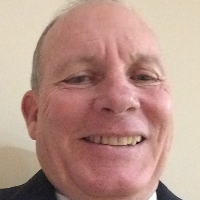
Profile / United States
Donald McRae, LPC, LCMHC
North Carolina
LPC LCMHC - Anxiety and Addictions
See online therapy options- Cognitive Behavioral Therapy
- DBT skills
- Mindfulness practice
About Donald
Donald McRae is a Licensed Professional Counselor, LPC, and a Licensed Clinical Mental Health Counselor, LCMHC, practicing in North Carolina with 25 years of experience. He helps people address stress, anxiety, addictions, relationship concerns, grief, depression, trauma and abuse, and a wide range of other issues listed by clients.
He uses clear, skills-based methods to notice unhelpful thoughts and habits. Sessions focus on practical steps people can try between meetings. He draws on Cognitive Behavioral Therapy (CBT) along with Acceptance and Commitment Therapy, Dialectical Behavior Therapy, mindfulness, motivational interviewing, and solution-focused techniques.
Donald has worked in community mental health clinics, on military bases, and with not-for-profit agencies. He has led psychotherapy groups and provided individual work across different settings. That background informs a straightforward approach to managing symptoms and daily problems.
In sessions he helps people learn tools for emotional regulation, coping with change, and improving communication. That can mean learning how thoughts affect behavior, practicing distress tolerance skills, or setting small achievable goals for change.
People who come for therapy with him can expect a practical emphasis: identify patterns, try specific experiments, and track what works. He encourages commitment to the work and supports people as they try new ways of responding to stress and relationship strain.
Remote work using CBT, ACT, and DBT skills
Donald often uses Cognitive Behavioral Therapy to help people notice and change thinking patterns that drive anxiety and depression. CBT sessions focus on specific practices such as thought records and behavioral experiments that can be tried between appointments.He also draws on Acceptance and Commitment Therapy to help people clarify values and take committed action even when difficult feelings remain. Dialectical Behavior Therapy contributions focus on emotional regulation and distress tolerance skills for managing intense states and improving relationships.
Finding the right approach is part of the work. He treats approach selection as collaborative and will discuss which methods fit an individual's goals, needs, and preferences. That may mean combining CBT skills with mindfulness or motivational interviewing techniques.
Session formats are not specified in the biography, so confirm current online options before booking. Online work can make it easier to fit sessions into a weekday break, reduce travel time, or allow shorter check-ins when schedules are tight. Most people find the structure of CBT, ACT, or DBT skills translates well to remote sessions when they can practice between meetings and report back on what helped.
Areas of expertise
Primary focus
Also works with
Additional focus areas
Therapeutic approaches
Experience
25+ years
Listed in
South Carolina, North Carolina
Languages
English
Frequently asked questions
What concerns does he work with most often?
He works with stress, anxiety, addictions, relationship problems, grief, depression, trauma and a broad list of related issues such as sleep problems, parenting strain, and workplace issues.
How does he use CBT in sessions?
CBT is used to help people identify unhelpful thoughts and test new behaviors. Sessions include skill practice and short experiments to change patterns between meetings.
What is his professional background?
He has 25 years of clinical experience working in mental health clinics, on military bases, and with non-profit agencies, and has led psychotherapy groups as well as individual therapy.
What credentials and location are listed?
He holds LPC and LCMHC credentials and practices in North Carolina.
Which languages are supported for sessions?
Sessions are offered in English.
Can international clients work with him?
He does not accept international clients at this time.
How are sessions paid for?
Cost varies with location and sessions use a subscription that can be canceled at any time.
What do I need to do to begin?
Select the See online therapy options button, complete a short matching questionnaire, and schedule a first session.
Details come from information the therapist supplied to BetterHelp. A license can be checked with the state board.
Online talk therapy is not emergency care. If you are not safe, use the crisis numbers.