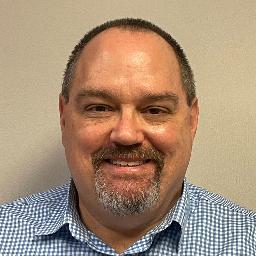
Profile / United States
Harvey Norris, LCSW
Louisiana
LCSW - Trauma and Anxiety
See online therapy optionsAbout Harvey
Harvey Norris is a Licensed Clinical Social Worker (LCSW) based in Louisiana with 35 years of experience. He helps people with stress, anxiety, addictions, trauma and abuse, self-esteem, depression, grief, intimacy-related concerns, and parenting questions.
He uses straightforward, skills-based methods and a problem-solving style. Sessions focus on noticing unhelpful thoughts and habits, and trying practical alternatives. He draws on Cognitive Behavioral Therapy along with other approaches when useful.
Harvey has worked across a range of settings over several decades. That background informs a calm, practical way of working with difficult memories and strong reactions. He also brings experience with issues related to cancer, chronic illness and pain, and disaster-related coping.
People often come for help with substance use, impulsivity, or problems following domestic violence. He also addresses concerns commonly described as men’s issues, veteran and armed forces issues, and post-traumatic stress. Sessions include coaching elements when clients want concrete steps and accountability.
Harvey keeps language direct and uses clear exercises you can try between sessions. He explains approaches in plain terms and helps people choose what to practice. Many sessions are short, structured, and focused on real-world changes.
Outside work he mentions family life and a terrier named Scruffy. That detail reflects a practical, down-to-earth style in and out of sessions.
How his approaches translate to online work
Harvey commonly uses Cognitive Behavioral Therapy, which helps people identify unhelpful thoughts and test new ways of responding. CBT focuses on simple exercises and short experiments you can try between sessions and then review together.He also uses Dialectical Behavior Therapy techniques for emotion regulation and interpersonal skills. DBT-style work teaches specific skills for handling intense emotions and reducing impulsive reactions. Eye Movement Desensitization and Reprocessing, or EMDR, is another approach he draws on for addressing traumatic memories by combining focused recall with structured processing techniques.
Deciding which approach to use is a collaborative process. He will talk with each person about their goals and preferences, and together they will choose tools and practices that fit those goals. That plan can change as needs evolve.
Confirm the exact session formats before booking, as the biography does not list specific online methods. Online sessions can make it easier to fit appointments into a workday, allow shorter check-ins when needed, and reduce travel time. The focus remains on clear, practical exercises and making progress you can notice in daily life.
Areas of expertise
Additional focus areas
Therapeutic approaches
Experience
35+ years
Listed in
Louisiana, Florida
Languages
English
Frequently asked questions
What kinds of concerns does he help with most?
He works with stress, anxiety, addictions, trauma and abuse, self-esteem, depression, grief, intimacy-related issues, and parenting concerns, plus related areas like chronic illness and post-traumatic stress.
How would he describe his therapeutic style?
He uses a practical, skills-focused approach that emphasizes noticing thoughts and changing unhelpful habits. Cognitive Behavioral Therapy is one of the methods he draws on.
How long has he practiced?
He has 35 years of experience in the mental health field, including work with trauma and substance-related concerns.
What are his credentials and where is he based?
He is an LCSW with credentials listed as FL LCSW and LA LCSW, and he practices from Louisiana.
Which languages are supported?
Sessions are offered in English.
Can international clients work with him?
He accepts international clients.
What does therapy cost?
Cost varies with location; sessions use a subscription that can be canceled at any time.
How do I begin scheduling a session?
Select the See online therapy options button, complete a short matching questionnaire, and schedule a first session.
Details come from information the therapist supplied to BetterHelp. A license can be checked with the state board.
Online talk therapy is not emergency care. If you are not safe, use the crisis numbers.