
Maya Neal
LMFTSouth Carolina · 16 yrs exp
Licensed MFT - Relationships and Anxiety
Stress, Anxiety · Relationship · Family · Parenting · +14 more
Read profileTherapist listings are provided by BetterHelp. We will earn a commission at no additional cost to you if you use our links to purchase.
This page lists therapists who work with men's issues, including concerns about relationships, anger, identity, parenting and life transitions. Browse the listings below to compare profiles, approaches, languages and credentials to find a good match.
South Carolina · 16 yrs exp
Licensed MFT - Relationships and Anxiety
Stress, Anxiety · Relationship · Family · Parenting · +14 more
Read profile
Texas · 25 yrs exp
LPC in Texas - stress and relationship focus
Stress, Anxiety · Relationship · Parenting · Anger · +8 more
Read profile
Florida · 25 yrs exp
LMHC - Anxiety and Depression focus
Stress, Anxiety · Family · Grief · Self esteem · +12 more
Read profile
Florida · 26 yrs exp
LMHC - Depression and Anxiety Focus
Relationship · Grief · Self esteem · Depression · +13 more
Read profile
Missouri · 16 yrs exp
LCSW - Stress and mood concerns
Stress, Anxiety · Trauma and abuse · Self esteem · Bipolar · +12 more
Read profile
North Carolina · 10 yrs exp
LCSW therapist - anxiety and relationships
Stress, Anxiety · Relationship · Family · Bipolar · +16 more
Read profile
Missouri · 7 yrs exp
Licensed Professional Counselor - Anxiety and Addictions
Stress, Anxiety · Addictions · Relationship · Self esteem · +13 more
Read profile
Wisconsin · 8 yrs exp
LPC in Wisconsin - relationships and anxiety
Relationship · Intimacy-related issues · Coping with life changes · Stress, Anxiety · +8 more
Read profile
Texas · 11 yrs exp
Licensed Professional Counselor - Anxiety and Relationships
Stress, Anxiety · Relationship · Family · Parenting · +9 more
Read profile
Florida · 14 yrs exp
Florida LMHC - Anxiety and Relationships
Stress, Anxiety · Trauma and abuse · Bipolar · Depression · +16 more
Read profile
Florida · 30 yrs exp
LMHC - CBT and practical skills
Stress, Anxiety · Trauma and abuse · Bipolar · Depression · +16 more
Read profile
South Dakota · 12 yrs exp
Licensed counselor - Anxiety and relationships
Stress, Anxiety · Relationship · Family · Trauma and abuse · +13 more
Read profile
Arizona · 30 yrs exp
LPC counselor - stress and trauma
Stress, Anxiety · Trauma and abuse · Self esteem · Career · +11 more
Read profile
New Jersey · 8 yrs exp
LCSW - Anxiety and Mood Concerns
Stress, Anxiety · Relationship · Trauma and abuse · Bipolar · +14 more
Read profile
Texas · 33 yrs exp
Licensed Clinical Social Worker - Relationships and Stress
Stress, Anxiety · Relationship · Family · Self esteem · +11 more
Read profile
Georgia · 3 yrs exp
Licensed counselor - relationships and anxiety
Stress, Anxiety · Relationship · Family · Intimacy-related issues · +6 more
Read profile
Virginia · 13 yrs exp
LPC in Virginia - Anxiety and Stress
Stress, Anxiety · Anger · Self esteem · Depression · +9 more
Read profile
Oregon · 15 yrs exp
Licensed Professional Counselor - Anxiety and Addictions
Stress, Anxiety · Addictions · Relationship · Trauma and abuse · +12 more
Read profile
Louisiana · 25 yrs exp
Dr Robert Hanser LPC - Addiction and Trauma
Addictions · Relationship · Family · Trauma and abuse · +11 more
Read profile
New York · 15 yrs exp
LCSW - Anxiety and Addictions
Stress, Anxiety · Addictions · Relationship · Self esteem · +10 more
Read profile
Florida · 32 yrs exp
LMHC in Florida - Mood and relationship concerns
Stress, Anxiety · Relationship · Trauma and abuse · Bipolar · +8 more
Read profile
Kansas · 17 yrs exp
Licensed counselor - anxiety and relationships
Stress, Anxiety · Relationship · Family · Anger · +10 more
Read profile
Mississippi · 36 yrs exp
LCSW - Family and parenting support
Family · Parenting · Anger · Self esteem · +11 more
Read profile
Florida · 28 yrs exp
LCSW - Anxiety and Addiction support
Stress, Anxiety · Addictions · Trauma and abuse · Self esteem · +13 more
Read profile
New Jersey · 10 yrs exp
LMHC and LPC - Relationships and Anxiety
Stress, Anxiety · Relationship · Family · Parenting · +4 more
Read profile
Florida · 20 yrs exp
Licensed Mental Health Counselor - Stress and Anxiety
Stress, Anxiety · Relationship · Grief · Self esteem · +1 more
Read profile
Georgia · 27 yrs exp
Licensed counselor - anxiety and mood concerns
Stress, Anxiety · Trauma and abuse · Bipolar · Depression · +16 more
Read profile
Ohio · 16 yrs exp
LPCC in Ohio - Stress and relationship concerns
Stress, Anxiety · Depression · Coping with life changes · Addictions · +11 more
Read profile
Florida · 40 yrs exp
LCSW - Addiction and Grief
Addictions · Relationship · Grief · Depression · +13 more
Read profile
Kentucky · 8 yrs exp
Licensed Clinical Social Worker - Stress and Relationships
Stress, Anxiety · Relationship · Family · Trauma and abuse · +5 more
Read profile
Missouri · 22 yrs exp
Prof. Michael McGaugh - LPC Missouri, stress and anxiety
Stress, Anxiety · Family · Trauma and abuse · Grief · +13 more
Read profile
Missouri · 20 yrs exp
LPC in Missouri - Anxiety and Relationship Work
Stress, Anxiety · Relationship · Family · Trauma and abuse · +4 more
Read profile
New York · 25 yrs exp
LCSW in New York - stress and relationships
Stress, Anxiety · Relationship · Family · Trauma and abuse · +15 more
Read profile
Texas · 16 yrs exp
Licensed professional counselor - Stress and Relationships
Stress, Anxiety · Family · Parenting · Bipolar · +11 more
Read profile
Florida · 20 yrs exp
LCSW in Florida - Anxiety and Relationship work
Stress, Anxiety · Relationship · Family · Trauma and abuse · +16 more
Read profile
Michigan · 20 yrs exp
LMSW - relationship and mood concerns
LGBT · Family · Intimacy-related issues · Parenting · +1 more
Read profile
Connecticut · 16 yrs exp
Connecticut LCSW - anxiety and addiction
Stress, Anxiety · Addictions · Family · Anger · +14 more
Read profile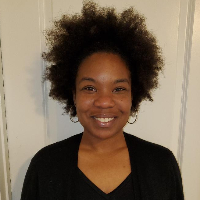
North Carolina · 15 yrs exp
LCSW - Anxiety and Trauma support
LGBT · Relationship · Family · Parenting · +7 more
Read profile
Ohio · 25 yrs exp
LPCC Ohio - stress and anxiety care
Stress, Anxiety · Relationship · Self esteem · Depression · +1 more
Read profile
New York · 20 yrs exp
Licensed Mental Health Counselor - stress and relationships
Stress, Anxiety · Relationship · Family · Self esteem · +15 more
Read profile
Illinois · 26 yrs exp
LCPC - Stress and Anxiety work
Stress, Anxiety · Addictions · Anger · Self esteem · +13 more
Read profile
Idaho · 5 yrs exp
Licensed Professional Counselor - Stress and Addiction
Stress, Anxiety · Addictions · Relationship · Depression · +6 more
Read profile
California · 10 yrs exp
LMFT in California - Stress and Relationship Concerns
Stress, Anxiety · Addictions · Trauma and abuse · Self esteem · +15 more
Read profile
North Carolina · 25 yrs exp
Licensed counselor - stress and relationships
Stress, Anxiety · Relationship · Depression · Coping with life changes · +1 more
Read profile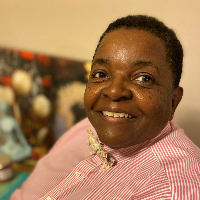
Texas · 12 yrs exp
Licensed counselor - Anxiety and addiction
Stress, Anxiety · Addictions · Self esteem · Depression · +10 more
Read profile
New York · 9 yrs exp
LMHC - Anxiety and relationship concerns
Stress, Anxiety · Relationship · Parenting · Self esteem · +1 more
Read profile
Montana · 6 yrs exp
LCSW - Depression and Anxiety focus
Depression · Coping with life changes · Compassion fatigue · Stress, Anxiety · +9 more
Read profile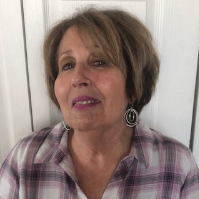
Arizona · 25 yrs exp
Licensed Professional Counselor - stress and addiction
Stress, Anxiety · Addictions · Relationship · Trauma and abuse · +11 more
Read profile
Texas · 15 yrs exp
LPC in Texas - Addictions and Trauma
Addictions · Trauma and abuse · Grief · Anger · +10 more
Read profile
Illinois · 18 yrs exp
LCPC in Illinois - anxiety and addiction
Stress, Anxiety · Addictions · Trauma and abuse · Anger · +12 more
Read profile
Colorado · 18 yrs exp
Licensed counselor - anxiety and addictions
Stress, Anxiety · Addictions · Relationship · Self esteem · +15 more
Read profile
Pennsylvania · 30 yrs exp
Licensed Professional Counselor - Stress and Anxiety
Stress, Anxiety · Trauma and abuse · Grief · Depression · +11 more
Read profile
Virginia · 40 yrs exp
LCSW - Stress and Addiction support
Stress, Anxiety · Addictions · Trauma and abuse · Grief · +16 more
Read profile
Iowa · 9 yrs exp
LMHC in Iowa - Trauma and mood concerns
Trauma and abuse · Grief · Anger · Self esteem · +10 more
Read profile
Texas · 30 yrs exp
Licensed therapist - family and anxiety
Stress, Anxiety · Family · Parenting · Depression · +1 more
Read profile
Florida · 40 yrs exp
LCSW - Stress and relationship concerns
Stress, Anxiety · Relationship · Family · Trauma and abuse · +8 more
Read profile
Florida · 42 yrs exp
LCSW - Stress and relationship support
Stress, Anxiety · Addictions · Relationship · Trauma and abuse · +15 more
Read profile
Georgia · 8 yrs exp
LPC in Georgia - Anxiety and Trauma
Stress, Anxiety · Trauma and abuse · Self esteem · Bipolar · +8 more
Read profile
Colorado · 8 yrs exp
LPC in Colorado - Stress and relationship work
Stress, Anxiety · Trauma and abuse · Grief · Self esteem · +14 more
Read profile
New Jersey · 38 yrs exp
Dr. Gagan Luthra - LPC CSW, addictions and mood concerns
Stress, Anxiety · Addictions · LGBT · Trauma and abuse · +13 more
Read profileMen's issues is a broad term that describes challenges many people assigned male at birth or who identify as men bring to therapy. It does not point to a single condition. Instead it covers a range of social, emotional and behavioral concerns that often relate to social expectations about masculinity, life role changes and the interaction between identity and relationships. You may see themes such as difficulty expressing emotions, patterns of anger or irritability, struggles with intimacy, questions about sexual identity, trouble adapting to fatherhood or caregiving roles, workplace stress, and coping after trauma or loss.
How these issues show up depends on your history, culture and current circumstances. For some people, societal pressure to appear self-reliant or to conform to certain masculine norms creates chronic tension that affects relationships, work and day-to-day well-being. For others, a specific event like a breakup, job change or bereavement triggers questions about identity, purpose and emotional habits. Recognizing this diversity helps you approach therapy with realistic expectations and an openness to exploring patterns rather than searching for a single fix.
You might consider reaching out to a therapist if you notice recurring patterns that interfere with things you care about. This could include repeated conflict in relationships, difficulty saying what you feel without shutting down or lashing out, or persistent low energy and pessimism that make daily tasks harder. You might be using alcohol or other substances more often to manage stress, feeling isolated and disconnected from friends or family, or finding that work and life roles feel overwhelming or inconsistent with who you want to be.
Other signs include trouble forming or maintaining close relationships, repeated difficulties with trust or vulnerability, or a sense of not being yourself after a major life change. You may also find that old ways of coping that felt useful in the past are now causing problems. Therapy can be a space to examine those patterns, learn alternatives for communication and emotion regulation, and explore how your identity and values shape your choices. If you are uncertain whether therapy fits your needs, reading therapist profiles below to see who lists work with men's issues may help you identify practitioners who describe relevant focus areas and approaches.
Your first sessions typically involve an intake conversation to map what brings you to therapy and what you hope to change. A therapist will usually ask about current stressors, relationship history, family background, work and any prior experience with counseling. You and the therapist then set collaborative goals that reflect your priorities. This early phase is practical and exploratory - it gives you a sense of whether the clinician's approach and communication style fit how you like to work.
Therapy for men's issues often combines talking through immediate problems with examining longer-standing patterns. You may spend time learning new ways to express emotions, practicing communication skills in sessions, and experimenting with different responses in your relationships outside of therapy. Some people find benefit in working on body-based strategies to manage anger or stress, while others focus primarily on narrative work to make sense of identity shifts. Progress is usually gradual and individualized. Sessions can include role-play, reflective exercises, homework between sessions, and ongoing reassessment of goals as you change.
Therapists use a variety of frameworks when addressing men's issues, and many list multiple approaches among their practices. Cognitive-behavioral methods are often used to identify unhelpful thinking patterns and to develop concrete skills for managing mood and behavior. Psychodynamic approaches invite you to explore how past relationships and patterns influence present responses, which can be helpful if you want to understand long-standing emotional habits. Acceptance-based and mindfulness-informed strategies teach ways to relate differently to difficult emotions so they have less control over your actions.
Relationship-focused work, including couples therapy and family approaches, helps when conflict with a partner or family member is a central concern. Some therapists emphasize trauma-focused methods and trauma-sensitive care for people who carry the effects of past injuries into present relationships. You will also encounter narrative and meaning-centered approaches that help you reframe life transitions and identity questions. When specific modalities like EMDR appear in a profile, the directory notes that a therapist lists EMDR among their approaches rather than asserting formal certification. Exploring profiles will show which approaches a therapist mentions and how they describe applying them to men's issues.
Online therapy lets you connect with clinicians from your home, office or another setting that feels comfortable for you. Sessions commonly take place via video calls, phone conversations, or text-based messaging formats offered by providers. The experience can mirror in-person therapy in many ways - you'll have a scheduled time to talk, set goals, and work through material with a clinician - while offering different practical conveniences, such as not needing to travel.
When you consider online work, think about the environment where you will meet. Choosing a place where you can speak openly without interruption helps you get the most out of sessions. Time zone differences, session length and the therapist's stated session formats are practical details to note on a profile. Licensing rules vary by location, so some clinicians indicate the jurisdictions where they practice. If you are dealing with immediate safety concerns or a crisis, online therapy may not be the right option in the moment; it is important to know local emergency resources and support systems where you live.
Finding the right fit often comes down to how comfortable you feel with a clinician's focus, language and background. Start by reading profiles to see who lists men's issues among their specialties and to learn which approaches they mention. Pay attention to the areas of focus that match your concerns - whether that is anger, relationship work, sexual health, parenting, identity exploration, or trauma recovery. You may also want to look for therapists who note experience with specific populations, such as men who are fathers, veterans, LGBTQ people, or members of particular cultural communities.
Consider practical aspects like session format, fee range, languages spoken and the therapist's stated experience with similar concerns. It can help to prepare a few questions to ask in an initial conversation, such as how they typically structure sessions for someone with your goals, what approaches they find helpful for the issues you described, and how they measure progress. Trust your sense of rapport - the ability to speak openly and to be heard matters more than matching labels. Using the directory to compare focus areas, approaches and credentials will help you identify professionals whose descriptions align with what you need.
Therapy is a personal process and finding a clinician who respects your values and responds to your story is key. Browsing profiles below is a practical way to begin - look for descriptions that resonate, notice how clinicians explain their approaches, and choose someone whose language and focus feel like a good match. Taking that first step can open a space for new ways of relating to yourself and to others as you work through the men's issues that matter most to you.
Alabama
134 therapists
Alaska
18 therapists
Arizona
114 therapists
Arkansas
67 therapists
Australia
138 therapists
California
590 therapists
Colorado
188 therapists
Connecticut
63 therapists
Delaware
19 therapists
District of Columbia
24 therapists
Florida
979 therapists
Georgia
291 therapists
Hawaii
27 therapists
Idaho
47 therapists
Illinois
294 therapists
Indiana
136 therapists
Iowa
40 therapists
Kansas
68 therapists
Kentucky
108 therapists
Louisiana
170 therapists
Maine
40 therapists
Maryland
114 therapists
Massachusetts
91 therapists
Michigan
320 therapists
Minnesota
93 therapists
Mississippi
90 therapists
Missouri
232 therapists
Montana
54 therapists
Nebraska
35 therapists
Nevada
47 therapists
New Hampshire
23 therapists
New Jersey
182 therapists
New Mexico
52 therapists
New York
351 therapists
North Carolina
348 therapists
North Dakota
11 therapists
Ohio
216 therapists
Oklahoma
127 therapists
Oregon
67 therapists
Pennsylvania
281 therapists
Rhode Island
15 therapists
South Carolina
169 therapists
South Dakota
18 therapists
Tennessee
139 therapists
Texas
898 therapists
United Kingdom
912 therapists
Utah
67 therapists
Vermont
13 therapists
Virginia
179 therapists
Washington
120 therapists
West Virginia
29 therapists
Wisconsin
128 therapists
Wyoming
24 therapists