
Ruth Vanden Bosch
LPCMichigan · 25 yrs exp
Licensed Professional Counselor - Stress and Anxiety
Stress, Anxiety · LGBT · Relationship · Grief · +10 more
Read profileTherapist listings are provided by BetterHelp. We will earn a commission at no additional cost to you if you use our links to purchase.
Explore profiles of therapists who focus on LGBT experiences, including identity, relationships, and community challenges. Each listing highlights approaches, languages, credentials, and areas of focus to help you browse and compare. Scroll through the listings below to find therapists who align with the support you want.
Michigan · 25 yrs exp
Licensed Professional Counselor - Stress and Anxiety
Stress, Anxiety · LGBT · Relationship · Grief · +10 more
Read profile
South Carolina · 16 yrs exp
Licensed MFT - Relationships and Anxiety
Stress, Anxiety · Relationship · Family · Parenting · +14 more
Read profile
Florida · 20 yrs exp
LMHC - Addiction and stress care
Stress, Anxiety · Addictions · Relationship · Self esteem · +16 more
Read profile
Minnesota · 25 yrs exp
Licensed Professional Counselor - Stress and Anxiety
Stress, Anxiety · Relationship · Grief · Self esteem · +9 more
Read profile
Oregon · 17 yrs exp
Licensed Professional Counselor - Anxiety and Stress
Stress, Anxiety · Anger · Self esteem · Career · +12 more
Read profile
Florida · 32 yrs exp
LMHC - LGBT concerns and grief specialist
LGBT · Grief · Self esteem · Coping with life changes · +1 more
Read profile
Florida · 39 yrs exp
Stress, Anxiety · Relationship · Family · Parenting · +14 more
Read profile
Kansas · 12 yrs exp
LCMFT in Kansas - Relationships and Anxiety
Stress, Anxiety · Relationship · Intimacy-related issues · Depression · +13 more
Read profile
North Carolina · 51 yrs exp
Licensed counselor - relationships and mood
Relationship · Intimacy-related issues · Parenting · Self esteem · +12 more
Read profile
Georgia · 8 yrs exp
LPC counselor - anxiety and relationships
Stress, Anxiety · Relationship · Family · Grief · +11 more
Read profile
Georgia · 12 yrs exp
LPC in Georgia - Stress and Anxiety
Stress, Anxiety · Anger · Self esteem · Depression · +13 more
Read profile
Kentucky · 18 yrs exp
LMFT - Relationships and Identity
LGBT · Relationship · Family · Self esteem · +14 more
Read profile
Florida · 10 yrs exp
LMHC LPC - Anxiety and Addictions
Stress, Anxiety · Addictions · Anger · Depression · +12 more
Read profile
Colorado · 15 yrs exp
LPC in Colorado - Relationships and Anxiety
Stress, Anxiety · Relationship · Intimacy-related issues · Self esteem · +10 more
Read profile
New Jersey · 5 yrs exp
Licensed Professional Counselor - Stress and Anxiety
Stress, Anxiety · Relationship · Family · Anger · +12 more
Read profile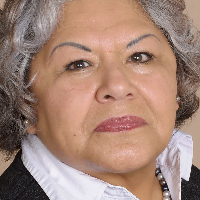
Nevada · 3 yrs exp
LCSW - Anxiety and relationship concerns
Stress, Anxiety · Relationship · Family · Trauma and abuse · +11 more
Read profile
Florida · 25 yrs exp
LMHC - Anxiety and Depression focus
Stress, Anxiety · Family · Grief · Self esteem · +12 more
Read profile
Michigan · 5 yrs exp
Licensed Professional Counselor - Stress and Anxiety
Stress, Anxiety · Relationship · Family · Self esteem · +12 more
Read profile
New York · 15 yrs exp
LCPC LMHC - Stress and Anxiety
Stress, Anxiety · Trauma and abuse · Grief · Self esteem · +16 more
Read profile
Pennsylvania · 12 yrs exp
Licensed counselor - anxiety and relationships
Stress, Anxiety · Relationship · Self esteem · Depression · +11 more
Read profile
North Carolina · 10 yrs exp
LCSW therapist - anxiety and relationships
Stress, Anxiety · Relationship · Family · Bipolar · +16 more
Read profile
Oregon · 14 yrs exp
Licensed Professional Counselor - Anxiety and Depression
Grief · Self esteem · Career · Depression · +8 more
Read profile
Texas · 10 yrs exp
LPC in Texas - Anxiety and Relationship support
Stress, Anxiety · Relationship · Family · Depression · +14 more
Read profile
Michigan · 45 yrs exp
Licensed Counselor - Anxiety and Addictions
Stress, Anxiety · Addictions · Trauma and abuse · Grief · +10 more
Read profile
Wisconsin · 8 yrs exp
LPC in Wisconsin - relationships and anxiety
Relationship · Intimacy-related issues · Coping with life changes · Stress, Anxiety · +8 more
Read profile
Florida · 14 yrs exp
Florida LMHC - Anxiety and Relationships
Stress, Anxiety · Trauma and abuse · Bipolar · Depression · +16 more
Read profile
Texas · 13 yrs exp
Licensed counselor and family therapist - relationships and addiction
Stress, Anxiety · LGBT · Relationship · Trauma and abuse · +12 more
Read profile
Florida · 13 yrs exp
Licensed counselor - anxiety and mood
Stress, Anxiety · Anger · Depression · Coping with life changes · +13 more
Read profile
New Jersey · 10 yrs exp
Licensed Clinical Social Worker - Anxiety and Trauma
Stress, Anxiety · Family · Trauma and abuse · Self esteem · +3 more
Read profile
Pennsylvania · 16 yrs exp
Licensed Professional Counselor - Anxiety and Relationships
Stress, Anxiety · Relationship · Family · Trauma and abuse · +11 more
Read profile
Florida · 30 yrs exp
LMHC - CBT and practical skills
Stress, Anxiety · Trauma and abuse · Bipolar · Depression · +16 more
Read profile
Louisiana · 16 yrs exp
LCSW - Anxiety and Relationship Concerns
Stress, Anxiety · Relationship · Trauma and abuse · Bipolar · +16 more
Read profile
North Carolina · 18 yrs exp
Dr Shelia Williamson Collins LPC LCPC - Mood and addiction support
Stress, Anxiety · Addictions · Trauma and abuse · Anger · +13 more
Read profile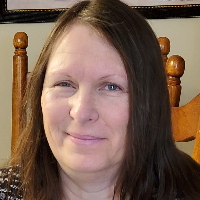
Virginia · 19 yrs exp
Licensed Professional Counselor - Anxiety and Life Changes
Stress, Anxiety · Grief · Self esteem · Depression · +11 more
Read profile
New York · 10 yrs exp
LCSW - Anxiety and relationship concerns
Stress, Anxiety · Relationship · Family · Grief · +12 more
Read profile
Texas · 24 yrs exp
LPC in Texas - anxiety and life transitions
Stress, Anxiety · LGBT · Trauma and abuse · Career · +11 more
Read profile
Indiana · 11 yrs exp
LCSW - anxiety and life changes
Stress, Anxiety · Grief · Depression · Coping with life changes · +8 more
Read profile
South Dakota · 12 yrs exp
Licensed counselor - Anxiety and relationships
Stress, Anxiety · Relationship · Family · Trauma and abuse · +13 more
Read profile
Michigan · 26 yrs exp
LMSW - Anxiety and Depression
Stress, Anxiety · Trauma and abuse · Self esteem · Depression · +16 more
Read profile
Florida · 10 yrs exp
LMHC - Anxiety and Parenting
Stress, Anxiety · Family · Parenting · Self esteem · +10 more
Read profile
Florida · 20 yrs exp
Licensed Mental Health Counselor - Anxiety and Life Changes
Stress, Anxiety · Relationship · Family · Self esteem · +9 more
Read profile
Texas · 8 yrs exp
Licensed Clinical Social Worker - Anxiety and Depression
Stress, Anxiety · Relationship · Self esteem · Depression · +8 more
Read profile
Alabama · 15 yrs exp
Alabama LPC - Stress and mood concerns
Stress, Anxiety · Addictions · Relationship · Family · +12 more
Read profile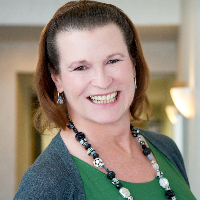
Colorado · 34 yrs exp
Dr. Rhoda Lipscomb, LPC - Sexuality and relationship concerns
Stress, Anxiety · LGBT · Relationship · Intimacy-related issues · +8 more
Read profile
Texas · 20 yrs exp
LICSW LCSW - Stress and Addictions
Stress, Anxiety · Addictions · Family · Grief · +15 more
Read profile
Ohio · 20 yrs exp
Ohio LISW - Anxiety and Stress focus
Stress, Anxiety · LGBT · Family · Grief · +16 more
Read profile
Georgia · 3 yrs exp
Licensed counselor - relationships and anxiety
Stress, Anxiety · Relationship · Family · Intimacy-related issues · +6 more
Read profile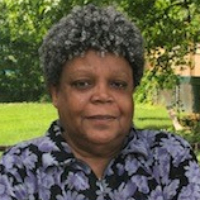
Virginia · 47 yrs exp
LCSW - Depression and Anxiety
Stress, Anxiety · Relationship · Grief · Self esteem · +10 more
Read profile
Texas · 4 yrs exp
LPC in Texas - Anxiety and Relationship Concerns
Stress, Anxiety · Addictions · Relationship · Family · +3 more
Read profile
North Carolina · 25 yrs exp
Licensed counselor - anxiety and trauma
Stress, Anxiety · Addictions · Family · Trauma and abuse · +11 more
Read profile
Oregon · 15 yrs exp
Licensed Professional Counselor - Anxiety and Addictions
Stress, Anxiety · Addictions · Relationship · Trauma and abuse · +12 more
Read profile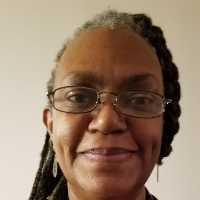
Maryland · 25 yrs exp
LCPC in Maryland - Stress and Addiction work
Stress, Anxiety · Addictions · Relationship · Grief · +12 more
Read profile
California · 20 yrs exp
Licensed Clinical Social Worker - Stress and Relationship concerns
Stress, Anxiety · Relationship · Family · Parenting · +15 more
Read profile
South Carolina · 5 yrs exp
Licensed counselor - relationships and mood
Relationship · Family · Trauma and abuse · Intimacy-related issues · +15 more
Read profile
Florida · 32 yrs exp
LMHC in Florida - Mood and relationship concerns
Stress, Anxiety · Relationship · Trauma and abuse · Bipolar · +8 more
Read profile
Texas · 10 yrs exp
LMFT - Anxiety and Relationship Concerns
Stress, Anxiety · LGBT · Relationship · Grief · +12 more
Read profile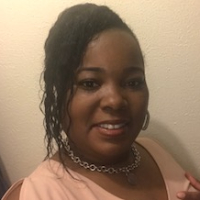
Louisiana · 10 yrs exp
Licensed Professional Counselor - Anxiety and Relationships
Stress, Anxiety · Trauma and abuse · Anger · Self esteem · +8 more
Read profile
North Carolina · 30 yrs exp
LCMHC counselor - anxiety and life transitions
Stress, Anxiety · Addictions · LGBT · Trauma and abuse · +1 more
Read profile
Iowa · 9 yrs exp
Licensed Independent Social Worker - Relationships and Stress
Stress, Anxiety · Relationship · Family · Trauma and abuse · +8 more
Read profile
South Carolina · 25 yrs exp
Licensed Professional Counselor - Anxiety and Trauma
Stress, Anxiety · LGBT · Relationship · Trauma and abuse · +9 more
Read profileWhen people use LGBT they are referring to a range of sexual orientations and gender identities that sit outside cisgender heterosexual norms. That includes lesbian, gay, bisexual, transgender, and a variety of other identities that people may use to describe their orientation or sense of gender. For many people, identity is a central part of who they are, shaping relationships, social networks, family dynamics, and how you move through workplaces, schools, and communities.
Your experience as an LGBT person may include moments of affirmation as well as stress or challenge. Social attitudes, cultural expectations, legal considerations, and community support all influence how comfortable you feel expressing yourself. For some people this means facing stigma, microaggressions, or rejection that can affect mood, confidence, and relationships. For others the challenge is navigating transition, disclosure, or the disconnect between how you present and how you are perceived. Therapy focused on LGBT concerns aims to attend to those lived realities and to help you develop ways to cope, grow, and pursue the life you want.
You might seek therapy because you are grappling with questions about your sexual or gender identity and want a space to explore them without pressure. You might also turn to a therapist if coming out has been difficult or if you anticipate a difficult reaction from family, friends, or colleagues. Relationship challenges tied to identity - such as negotiating boundaries, managing disclosure, or addressing intimacy concerns - are common reasons people search for counselors who focus on LGBT matters.
Mental and emotional signs that you may benefit from therapy include persistent anxiety, low mood, sleep disruption, or a sense of isolation that affects daily functioning. Experiencing harassment, discrimination, or trauma can have ongoing emotional impacts that are important to address in a therapeutic setting. You may also be seeking practical support for specific life transitions, such as gender-affirming medical decisions, family planning, or adjusting to changes in social roles. Therapy can be a place to process these experiences, plan next steps, and develop skills to manage stress.
When you begin working with a therapist who focuses on LGBT concerns, the first sessions often center on building rapport and understanding your goals. You can expect the therapist to ask about your background, relationships, and what brings you to therapy now. That early phase is about setting goals together and agreeing on how you will work - whether that means weekly talk sessions, short-term planning, or a longer-term exploration of identity and patterns. You should feel able to discuss your priorities, whether they are emotional relief, decision-making, relationship growth, or greater self-understanding.
Therapy sessions typically involve conversation, reflective questions, and collaborative planning. Some therapists incorporate structured exercises to practice communication or emotion regulation, while others emphasize narrative exploration to help you reframe difficult experiences. You should expect clear communication about administrative details such as fees, session length, and records, and you can ask about a therapist's approach before you commit to ongoing work. A thoughtful therapist will adapt methods to your needs and may suggest resources outside sessions, including community supports or educational materials.
Therapists present their methods in different ways. You will see therapists who list cognitive behavioral therapy among their approaches, therapists who list narrative therapy among their approaches, and therapists who list mindfulness-based practices among their approaches. You may also find therapists who list trauma-focused methods among their approaches or those who list couples and family interventions among their approaches. Seeing an approach listed simply indicates the therapist includes that approach in their description - it is helpful to ask how they apply it to LGBT concerns and what a typical session looks like.
Different approaches can be useful depending on your goals. Therapists who list cognitive behavioral therapy among their approaches may use structured techniques to identify and shift unhelpful thinking patterns that contribute to anxiety or low mood. Therapists who list acceptance-based or mindfulness approaches among their approaches may support you in developing tolerance for difficult emotions while clarifying values and actions that matter to you. Therapists who list narrative therapy among their approaches often focus on the stories you tell about yourself, helping you separate identity from negative messages you may have internalized over time.
When trauma from discrimination or harassment is part of your experience, you may encounter therapists who list trauma-informed or somatic approaches among their approaches. Those approaches emphasize safety, pacing, and bodily awareness as part of processing intense events. For relationship concerns, therapists who list couples or family therapy among their approaches work with partners and family members to improve communication and mutual understanding. Some therapists include sex therapy or gender-affirming care coordination among their approaches, helping you address sexual health, intimacy, and practical steps related to medical decisions. As you review profiles, note which methods resonate with you and ask potential therapists how they adapt those methods to LGBT experiences.
Online therapy can make it easier to connect with therapists who mention LGBT-focused work, especially if local options are limited or you want someone who speaks your language or understands your cultural background. When you engage in online therapy, you typically use video or audio sessions, and some therapists also offer messaging or brief check-ins between appointments. Online work can allow you to meet with a therapist in a setting that feels familiar and convenient, which may make it easier to attend appointments and to speak openly about sensitive topics.
There are practical differences to consider. Online sessions require a reliable internet connection and a place where you can talk without interruption. You may want to ask about a therapist's privacy practices and how they manage sensitive information across digital platforms. Some people find online therapy particularly valuable when they are not yet ready to meet in person or when they want access to a therapist with specific language skills or experience of LGBT communities that are less represented locally. Others choose a mix of online and in-person work to accommodate scheduling and personal comfort.
Start by clarifying what you most want from therapy - whether it is emotional processing, identity exploration, relationship work, or support navigating legal or medical systems. Use that clarity to look for therapists whose profiles highlight relevant focus areas and who list approaches you find appealing. Pay attention to languages offered and to any notes about working with particular communities, age groups, or family structures. Profiles that describe a therapist's orientation toward LGBTQ+ issues, their experience with gender diversity, or how they incorporate cultural context can help you identify a better fit.
It is reasonable to reach out and ask specific questions before starting. You might ask how the therapist approaches coming out conversations, how they incorporate partners or family when appropriate, or how they support clients through gender-related decisions. Ask about practical details such as session length, typical frequency, and what to expect in the first few sessions. You do not have to commit if something does not feel right - therapeutic fit matters. Over time, you will get a sense of whether the relationship helps you progress toward your goals, and you can request adjustments in approach if needed.
Finding a therapist who lists LGBT experience as a focus and whose described approaches align with your needs can make therapy more relevant and responsive to your life. Use the directory to compare profiles, read how therapists describe their work, and consider an initial conversation to see if you feel heard and respected. With thoughtful matching, therapy can be a useful resource for navigating identity-related challenges and for building resilience, relationships, and greater well-being.
Alabama
134 therapists
Alaska
18 therapists
Arizona
114 therapists
Arkansas
67 therapists
Australia
138 therapists
California
590 therapists
Colorado
188 therapists
Connecticut
63 therapists
Delaware
19 therapists
District of Columbia
24 therapists
Florida
979 therapists
Georgia
291 therapists
Hawaii
27 therapists
Idaho
47 therapists
Illinois
294 therapists
Indiana
136 therapists
Iowa
40 therapists
Kansas
68 therapists
Kentucky
108 therapists
Louisiana
170 therapists
Maine
40 therapists
Maryland
114 therapists
Massachusetts
91 therapists
Michigan
320 therapists
Minnesota
93 therapists
Mississippi
90 therapists
Missouri
232 therapists
Montana
54 therapists
Nebraska
35 therapists
Nevada
47 therapists
New Hampshire
23 therapists
New Jersey
182 therapists
New Mexico
52 therapists
New York
351 therapists
North Carolina
348 therapists
North Dakota
11 therapists
Ohio
216 therapists
Oklahoma
127 therapists
Oregon
67 therapists
Pennsylvania
281 therapists
Rhode Island
15 therapists
South Carolina
169 therapists
South Dakota
18 therapists
Tennessee
139 therapists
Texas
898 therapists
United Kingdom
912 therapists
Utah
67 therapists
Vermont
13 therapists
Virginia
179 therapists
Washington
120 therapists
West Virginia
29 therapists
Wisconsin
128 therapists
Wyoming
24 therapists