Profile / United States
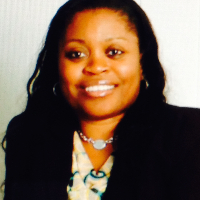
Dr. Latasha McIlwaine, LPC
North Carolina
Licensed counselor - Addictions and relationships
See online therapy options- Cognitive Behavioral Therapy
- DBT and mindfulness
- Motivational interviewing
About Latasha
Dr. Latasha McIlwaine is an LPC with 18 years of clinical experience. She holds LPC licenses in South Carolina and Georgia and practices in North Carolina as a Licensed Professional Counselor (LPC). She helps people facing addictions, relationship strain, low self-esteem, career uncertainty, and depression.
Her approach is practical and structured. She uses Cognitive Behavioral Therapy (CBT) alongside Dialectical Behavior Therapy (DBT), mindfulness, motivational interviewing, and solution-focused techniques. Sessions usually include identifying unhelpful thoughts and testing small behavior changes.
Dr. McIlwaine draws on nearly two decades of work across multiple states. Her background includes training in a range of therapy styles and experience with issues such as codependency, divorce and separation, domestic violence, drug and alcohol addiction, isolation and feelings of emptiness. She also lists work related to blended family issues, intellectual disability, autism and Asperger Syndrome, life purpose, and women's issues.
She combines clinical work with education and writing. She supervises and teaches students training to become counselors and has written about personal experiences that informed her clinical perspective. That practical teaching role informs how she explains skills and homework in sessions.
People who choose her can expect clear, step-by-step guidance. Sessions focus on observable changes - thoughts to try out, small behavioral experiments, and specific skills to practice between meetings. Those looking for structured, action-oriented support may find this approach useful.
Practical approaches used in online sessions
CBT focuses on identifying unhelpful thoughts and testing alternatives. It breaks problems into concrete parts - thoughts, behaviors, and feelings - and uses short exercises to change how those parts interact. This is useful for depression, low self-esteem, and addiction-related thinking.DBT provides skills for managing intense emotions and improving interpersonal effectiveness. It teaches concrete tools such as distress tolerance and emotion regulation that can be practiced between sessions. Mindfulness Therapy helps people notice their moment-to-moment experience and reduce automatic reactions through simple attention exercises.
Choosing the right approach is part of the work. The therapist will collaborate with the client to decide which methods fit best based on goals, needs, and preferences. That may mean mixing CBT skill drills with DBT techniques or brief solution-focused steps to make rapid progress.
The biography mentions tele-therapy as part of the practice. Confirm which session formats are currently offered before booking. Online sessions can make it easier to fit therapy into daily life by removing travel time, allowing shorter check-ins, or providing options that do not require being on camera. Licensed professionals who use these methods often assign brief homework and practical tools that can be applied between sessions to support steady progress.
Areas of expertise
Primary focus
Additional focus areas
Therapeutic approaches
Experience
18+ years
Listed in
North Carolina, South Carolina, Georgia
Languages
English
Frequently asked questions
What concerns does she work with most often?
She focuses on addictions, relationship problems, self-esteem, career questions, and depression. Additional areas include codependency, divorce and separation, domestic violence, and women's issues.
How would she describe her therapeutic style?
Her style is practical and structured, using CBT and related methods to identify thoughts and try new behaviors. Sessions often include skills practice and small experiments between meetings.
How much clinical experience does she have?
She has 18 years of practice working across North Carolina, South Carolina, and Georgia. Her work includes counseling, supervision, teaching, and writing about clinical topics.
What are her credentials and where is she based?
She is an LPC with licensure in South Carolina and Georgia and practices in North Carolina. The listing uses the LPC credential as provided.
Which languages are supported for sessions?
Sessions are offered in English. International clients are accepted according to the profile.
What session formats are available?
The original biography notes tele-therapy in private practice. Confirm current session options before booking to see which formats are offered now.
How does the cost of sessions work?
Cost varies with location and sessions use a subscription that can be canceled at any time. Exact pricing depends on the location selected during sign-up.
How do I begin working with her?
Start by selecting the See online therapy options button, complete a short matching questionnaire, and schedule a first session. That process begins the intake and scheduling steps.
Details come from information the therapist supplied to BetterHelp. A license can be checked with the state board.
Online talk therapy is not emergency care. If you are not safe, use the crisis numbers.