
Marsha Oxamendi
LCSWFlorida · 14 yrs exp
Marsha Oxamendi LCSW - Anxiety and Stress
Stress, Anxiety · Grief · Anger · Self esteem · +12 more
Read profileTherapist listings are provided by BetterHelp. We will earn a commission at no additional cost to you if you use our links to purchase.
Explore therapists who focus on isolation and loneliness, and review their approaches, languages, and experience to find a fit for you. Browse the listings below to compare profiles and start the next step toward easing social disconnection.
Florida · 14 yrs exp
Marsha Oxamendi LCSW - Anxiety and Stress
Stress, Anxiety · Grief · Anger · Self esteem · +12 more
Read profile
Michigan · 25 yrs exp
Licensed Professional Counselor - Stress and Anxiety
Stress, Anxiety · LGBT · Relationship · Grief · +10 more
Read profile
South Carolina · 16 yrs exp
Licensed MFT - Relationships and Anxiety
Stress, Anxiety · Relationship · Family · Parenting · +14 more
Read profile
Florida · 20 yrs exp
LMHC - Addiction and stress care
Stress, Anxiety · Addictions · Relationship · Self esteem · +16 more
Read profile
Minnesota · 25 yrs exp
Licensed Professional Counselor - Stress and Anxiety
Stress, Anxiety · Relationship · Grief · Self esteem · +9 more
Read profile
Texas · 25 yrs exp
LPC in Texas - stress and relationship focus
Stress, Anxiety · Relationship · Parenting · Anger · +8 more
Read profile
New York · 24 yrs exp
LCSW in New York - anxiety and depression
Stress, Anxiety · Relationship · Anger · Self esteem · +12 more
Read profile
Kansas · 12 yrs exp
LCMFT in Kansas - Relationships and Anxiety
Stress, Anxiety · Relationship · Intimacy-related issues · Depression · +13 more
Read profile
North Carolina · 51 yrs exp
Licensed counselor - relationships and mood
Relationship · Intimacy-related issues · Parenting · Self esteem · +12 more
Read profile
New Jersey · 5 yrs exp
Licensed Professional Counselor - Stress and Anxiety
Stress, Anxiety · Relationship · Family · Anger · +12 more
Read profile
Michigan · 5 yrs exp
Licensed Professional Counselor - Stress and Anxiety
Stress, Anxiety · Relationship · Family · Self esteem · +12 more
Read profile
Pennsylvania · 12 yrs exp
Licensed counselor - anxiety and relationships
Stress, Anxiety · Relationship · Self esteem · Depression · +11 more
Read profile
Florida · 26 yrs exp
LMHC - Depression and Anxiety Focus
Relationship · Grief · Self esteem · Depression · +13 more
Read profile
Missouri · 16 yrs exp
LCSW - Stress and mood concerns
Stress, Anxiety · Trauma and abuse · Self esteem · Bipolar · +12 more
Read profile
North Carolina · 10 yrs exp
LCSW therapist - anxiety and relationships
Stress, Anxiety · Relationship · Family · Bipolar · +16 more
Read profile
Texas · 17 yrs exp
Licensed Professional Counselor - Stress and Anxiety
Stress, Anxiety · Family · Depression · Coping with life changes · +12 more
Read profile
Oregon · 14 yrs exp
Licensed Professional Counselor - Anxiety and Depression
Grief · Self esteem · Career · Depression · +8 more
Read profile
Missouri · 7 yrs exp
Licensed Professional Counselor - Anxiety and Addictions
Stress, Anxiety · Addictions · Relationship · Self esteem · +13 more
Read profile
Florida · 17 yrs exp
LMHC - Relationships and Addictions
Stress, Anxiety · Addictions · Relationship · Family · +14 more
Read profile
Texas · 10 yrs exp
LPC in Texas - Anxiety and Relationship support
Stress, Anxiety · Relationship · Family · Depression · +14 more
Read profile
Texas · 11 yrs exp
Licensed Professional Counselor - Anxiety and Relationships
Stress, Anxiety · Relationship · Family · Parenting · +9 more
Read profile
Texas · 12 yrs exp
Texas LPC - Mood and trauma support
Stress, Anxiety · Self esteem · Career · Depression · +9 more
Read profile
Florida · 14 yrs exp
Florida LMHC - Anxiety and Relationships
Stress, Anxiety · Trauma and abuse · Bipolar · Depression · +16 more
Read profile
Texas · 13 yrs exp
Licensed counselor and family therapist - relationships and addiction
Stress, Anxiety · LGBT · Relationship · Trauma and abuse · +12 more
Read profile
Louisiana · 16 yrs exp
LCSW - Anxiety and Relationship Concerns
Stress, Anxiety · Relationship · Trauma and abuse · Bipolar · +16 more
Read profile
Florida · 10 yrs exp
Licensed Clinical Social Worker - Stress and Relationships
Stress, Anxiety · Addictions · Family · Grief · +8 more
Read profile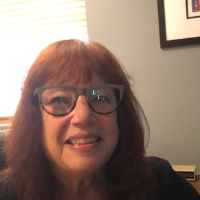
New York · 30 yrs exp
LCSW in New York - Relationships and Anxiety
Stress, Anxiety · Relationship · Parenting · Self esteem · +11 more
Read profile
Michigan · 21 yrs exp
LMSW - Stress and relationship concerns
Stress, Anxiety · Relationship · Family · Bipolar · +14 more
Read profile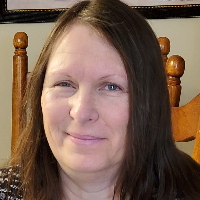
Virginia · 19 yrs exp
Licensed Professional Counselor - Anxiety and Life Changes
Stress, Anxiety · Grief · Self esteem · Depression · +11 more
Read profile
South Dakota · 12 yrs exp
Licensed counselor - Anxiety and relationships
Stress, Anxiety · Relationship · Family · Trauma and abuse · +13 more
Read profile
Arizona · 30 yrs exp
LPC counselor - stress and trauma
Stress, Anxiety · Trauma and abuse · Self esteem · Career · +11 more
Read profile
Florida · 22 yrs exp
LCSW - Anxiety and Depression support
Stress, Anxiety · Self esteem · Depression · Coping with life changes · +5 more
Read profile
Florida · 20 yrs exp
Licensed Mental Health Counselor - Anxiety and Life Changes
Stress, Anxiety · Relationship · Family · Self esteem · +9 more
Read profile
Texas · 10 yrs exp
Licensed Marriage and Family Therapist - Relationships and Stress
Stress, Anxiety · Relationship · Family · Parenting · +5 more
Read profile
Texas · 33 yrs exp
Licensed Clinical Social Worker - Relationships and Stress
Stress, Anxiety · Relationship · Family · Self esteem · +11 more
Read profile
Texas · 20 yrs exp
LICSW LCSW - Stress and Addictions
Stress, Anxiety · Addictions · Family · Grief · +15 more
Read profile
Ohio · 20 yrs exp
Ohio LISW - Anxiety and Stress focus
Stress, Anxiety · LGBT · Family · Grief · +16 more
Read profile
Georgia · 3 yrs exp
Licensed counselor - relationships and anxiety
Stress, Anxiety · Relationship · Family · Intimacy-related issues · +6 more
Read profile
Virginia · 13 yrs exp
LPC in Virginia - Anxiety and Stress
Stress, Anxiety · Anger · Self esteem · Depression · +9 more
Read profile
Wisconsin · 17 yrs exp
LPC in Wisconsin - Anxiety and Relationships
Stress, Anxiety · Relationship · Trauma and abuse · Self esteem · +11 more
Read profile
Texas · 10 yrs exp
LPC in Texas - stress and anxiety help
Stress, Anxiety · Self esteem · Career · Coping with life changes · +1 more
Read profile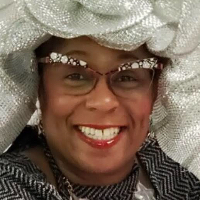
Michigan · 24 yrs exp
LCSW counselor - Stress and addiction care
Stress, Anxiety · Addictions · Relationship · Family · +1 more
Read profile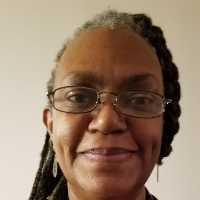
Maryland · 25 yrs exp
LCPC in Maryland - Stress and Addiction work
Stress, Anxiety · Addictions · Relationship · Grief · +12 more
Read profile
Illinois · 38 yrs exp
Illinois LCPC - Stress and Anxiety
Stress, Anxiety · Self esteem · Depression · Coping with life changes · +9 more
Read profile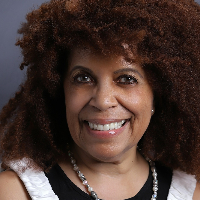
Tennessee · 15 yrs exp
LCSW - Stress and relationships
Stress, Anxiety · Relationship · Family · Self esteem · +9 more
Read profile
New York · 15 yrs exp
LCSW - Anxiety and Addictions
Stress, Anxiety · Addictions · Relationship · Self esteem · +10 more
Read profile
Florida · 32 yrs exp
LMHC in Florida - Mood and relationship concerns
Stress, Anxiety · Relationship · Trauma and abuse · Bipolar · +8 more
Read profile
Texas · 10 yrs exp
LMFT - Anxiety and Relationship Concerns
Stress, Anxiety · LGBT · Relationship · Grief · +12 more
Read profile
Kansas · 17 yrs exp
Licensed counselor - anxiety and relationships
Stress, Anxiety · Relationship · Family · Anger · +10 more
Read profile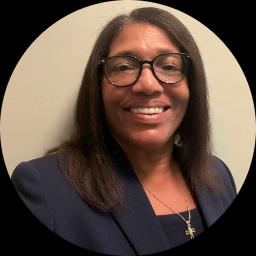
Mississippi · 36 yrs exp
LCSW - Family and parenting support
Family · Parenting · Anger · Self esteem · +11 more
Read profile
Florida · 28 yrs exp
LCSW - Anxiety and Addiction support
Stress, Anxiety · Addictions · Trauma and abuse · Self esteem · +13 more
Read profile
New York · 14 yrs exp
LCSW - Stress and relationship concerns
Stress, Anxiety · Relationship · Trauma and abuse · Self esteem · +5 more
Read profile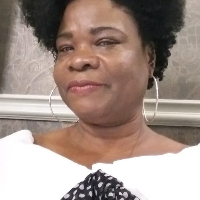
Florida · 8 yrs exp
Florida LMHC - Anxiety and Relationships
Stress, Anxiety · Relationship · Family · Coping with life changes · +9 more
Read profile
Florida · 20 yrs exp
LMFT - Stress and relationship concerns
Stress, Anxiety · Trauma and abuse · Anger · Self esteem · +1 more
Read profile
Wyoming · 14 yrs exp
LCSW in Wyoming - anxiety and depression
Addictions · Relationship · Depression · Coping with life changes · +11 more
Read profile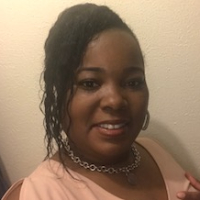
Louisiana · 10 yrs exp
Licensed Professional Counselor - Anxiety and Relationships
Stress, Anxiety · Trauma and abuse · Anger · Self esteem · +8 more
Read profile
North Carolina · 30 yrs exp
LCMHC counselor - anxiety and life transitions
Stress, Anxiety · Addictions · LGBT · Trauma and abuse · +1 more
Read profile
Iowa · 9 yrs exp
Licensed Independent Social Worker - Relationships and Stress
Stress, Anxiety · Relationship · Family · Trauma and abuse · +8 more
Read profile
South Carolina · 25 yrs exp
Licensed Professional Counselor - Anxiety and Trauma
Stress, Anxiety · LGBT · Relationship · Trauma and abuse · +9 more
Read profile
Florida · 20 yrs exp
Licensed Mental Health Counselor - Stress and Anxiety
Stress, Anxiety · Relationship · Grief · Self esteem · +1 more
Read profileIsolation and loneliness are related but distinct experiences that can affect anyone. Isolation describes limited social contact or physical distance from others, while loneliness describes the subjective feeling of being disconnected or misunderstood even when you are surrounded by people. You may experience loneliness after a life change - a move, a breakup, the loss of a loved one, retirement, or a change in health - or it may arise gradually when daily interactions no longer provide the emotional nourishment you need. Over time those feelings can shape your mood, energy, and sense of self in ways that feel heavy and hard to manage.
How isolation shows up will vary from person to person. For some, it looks like withdrawing from social activities and relationships; for others, it may look like feeling invisible in groups or struggling to form close bonds. Context matters - cultural background, personality, physical health, and life circumstances all influence how you experience disconnection. Recognizing the distinction between being physically alone and feeling lonely can help you identify the type of support that will be most useful.
If you are wondering whether therapy could help, look at how these experiences affect your daily life. You might find yourself avoiding invitations or making excuses to skip gatherings. It can become harder to reach out to others, maintain friendships, or sustain romantic relationships. You may notice changes in sleep, appetite, or motivation, or a persistent sense of emptiness that does not go away after brief social contact. Repeated cycles of feeling disconnected can also erode self-confidence and make social attempts feel more anxious or discouraging over time.
Emotional signs include frequent sadness, shame about your social life, or a fear that others will reject you if you try to get closer. Cognitive signs can include beliefs that you do not belong, that people would not understand you, or that your efforts to connect will fail. If these patterns are causing you distress, interfering with work or relationships, or preventing you from pursuing interests and goals, working with a therapist may help you explore their roots and develop new strategies for connection.
When you begin therapy for isolation and loneliness, the first sessions are often about building a working relationship and clarifying what matters to you. You and the therapist will explore your history, recent events, and the situations that tend to trigger feelings of disconnection. The therapist will ask about your social world - family, friends, community, work - and how you experience connection in different contexts. You can expect a collaborative process where you set goals that feel meaningful, whether that is developing closer friendships, improving social confidence, coping with grief, or simply understanding your patterns better.
Therapy sessions can include a mix of reflection and action. You might work on shifting unhelpful beliefs about relationships, practicing new ways of starting and sustaining conversations, or learning skills to manage social anxiety. Sessions may focus on emotion regulation, processing past losses that contribute to withdrawal, or exploring practical steps to widen your social network. Therapy is not a one-size-fits-all program - it adapts to your pace. You will likely leave sessions with specific things to try between meetings, and you and your therapist will review what helps and what does not as you go.
There are several approaches that therapists may use when addressing isolation and loneliness, and you can look for therapists who list particular methods among their approaches. Cognitive behavioral therapy is often used to identify and challenge thoughts that keep you stuck, such as beliefs that you are unworthy of friendship or that social attempts always fail. Interpersonal therapy focuses more directly on improving the skills and patterns that shape your relationships - how you communicate, negotiate conflict, and build intimacy.
Some therapists emphasize emotion-focused work that helps you identify and tolerate painful feelings that have led to withdrawal. Others integrate mindfulness-based approaches to help you stay present and reduce anxiety in social situations. You may find therapists who list narrative or meaning-centered approaches among their approaches, which can be helpful if you are re-framing your life story after major life changes. If you have experienced trauma, you might see therapists who list trauma-informed methods or who list EMDR among their approaches as part of a broader treatment plan. Each of these approaches offers different tools for understanding and reshaping how you relate to others and to yourself.
Online therapy can be a practical option if mobility, geography, or schedule make in-person sessions difficult. Many people find that video, phone, or messaging formats allow them to connect with therapists who share their language, cultural background, or areas of focus without long commutes. Online work can be particularly useful when the initial barriers to reaching out feel high - starting from your home can make taking the first step more manageable. That said, online therapy also has its own dynamics - establishing a personal connection over video can take some intentionality, and you and the therapist will often set clear routines for check-ins and follow-up between sessions.
When choosing a therapist for isolation and loneliness, start by thinking about what matters most to you. Look at profiles to see which therapists describe focus areas, populations, languages, and approaches that match your needs. If cultural background, age-range experience, or specific life transitions are important to you, prioritize those details when you read profiles. Consider practical matters such as fees, whether they list experience with the issues you are facing, and how they describe their therapeutic style - more directive, more exploratory, or skill-focused. A therapist’s description of how they work can give you a sense of whether you might feel comfortable opening up and trying new social strategies with them.
It can help to prepare a few questions before you make contact - questions about the therapist’s experience with loneliness and social isolation, how they balance rebuilding social supports with managing emotions like anxiety or grief, and how they track progress. You may also want to ask about logistics - length of sessions, communication style, and what kind of between-session tasks they tend to recommend. Remember that finding the right fit can take time - reading multiple profiles and learning about different approaches will help you make a choice that feels aligned with your personal values and goals.
Reaching out to a therapist is a concrete step toward changing patterns that have felt stuck for a long time. Whether you are seeking strategies to start conversations, processing a loss that has left you feeling cut off, or rebuilding your social life after a major change, therapy offers a space to explore both practical steps and deeper emotional work. By learning more about how therapists describe their focus and approaches, you can choose someone whose style resonates with you and who can support the specific kinds of change you want to make.
If you are exploring options now, take the time to read profiles carefully and reflect on which descriptions feel most like the support you need. Therapy is a collaborative journey - the right match helps you build momentum, try new behaviors, and reclaim a sense of connection that fits who you are. When you find a therapist whose approach and background align with your needs, you will be better positioned to take steady steps toward feeling more connected and engaged in your daily life.
Alabama
134 therapists
Alaska
18 therapists
Arizona
114 therapists
Arkansas
67 therapists
Australia
138 therapists
California
590 therapists
Colorado
188 therapists
Connecticut
63 therapists
Delaware
19 therapists
District of Columbia
24 therapists
Florida
979 therapists
Georgia
291 therapists
Hawaii
27 therapists
Idaho
47 therapists
Illinois
294 therapists
Indiana
136 therapists
Iowa
40 therapists
Kansas
68 therapists
Kentucky
108 therapists
Louisiana
170 therapists
Maine
40 therapists
Maryland
114 therapists
Massachusetts
91 therapists
Michigan
320 therapists
Minnesota
93 therapists
Mississippi
90 therapists
Missouri
232 therapists
Montana
54 therapists
Nebraska
35 therapists
Nevada
47 therapists
New Hampshire
23 therapists
New Jersey
182 therapists
New Mexico
52 therapists
New York
351 therapists
North Carolina
348 therapists
North Dakota
11 therapists
Ohio
216 therapists
Oklahoma
127 therapists
Oregon
67 therapists
Pennsylvania
281 therapists
Rhode Island
15 therapists
South Carolina
169 therapists
South Dakota
18 therapists
Tennessee
139 therapists
Texas
898 therapists
United Kingdom
912 therapists
Utah
67 therapists
Vermont
13 therapists
Virginia
179 therapists
Washington
120 therapists
West Virginia
29 therapists
Wisconsin
128 therapists
Wyoming
24 therapists