
Velma Jones
LCSWNew York · 29 yrs exp
LCSW in New York - Mood and relationship work
Stress, Anxiety · Relationship · Trauma and abuse · Depression · +10 more
Read profileTherapist listings are provided by BetterHelp. We will earn a commission at no additional cost to you if you use our links to purchase.
Browse profiles of therapists who list self-love and self-compassion among their focus areas, with details about approaches, credentials, languages and experience. Use the listings below to explore options and identify practitioners whose background and style match what you need.
New York · 29 yrs exp
LCSW in New York - Mood and relationship work
Stress, Anxiety · Relationship · Trauma and abuse · Depression · +10 more
Read profile
Michigan · 25 yrs exp
Licensed Professional Counselor - Stress and Anxiety
Stress, Anxiety · LGBT · Relationship · Grief · +10 more
Read profile
South Carolina · 16 yrs exp
Licensed MFT - Relationships and Anxiety
Stress, Anxiety · Relationship · Family · Parenting · +14 more
Read profile
Florida · 20 yrs exp
LMHC - Addiction and stress care
Stress, Anxiety · Addictions · Relationship · Self esteem · +16 more
Read profile
Minnesota · 25 yrs exp
Licensed Professional Counselor - Stress and Anxiety
Stress, Anxiety · Relationship · Grief · Self esteem · +9 more
Read profile
Mississippi · 16 yrs exp
MS LPC - Relationships and Family
Stress, Anxiety · Relationship · Family · Parenting · +6 more
Read profile
Kansas · 12 yrs exp
LCMFT in Kansas - Relationships and Anxiety
Stress, Anxiety · Relationship · Intimacy-related issues · Depression · +13 more
Read profile
Texas · 11 yrs exp
LPC in Texas - Mood and anxiety care
Stress, Anxiety · Bipolar · Depression · Self esteem · +2 more
Read profile
Georgia · 8 yrs exp
LPC counselor - anxiety and relationships
Stress, Anxiety · Relationship · Family · Grief · +11 more
Read profile
Illinois · 20 yrs exp
LCSW - Stress and Anxiety focused
Stress, Anxiety · Relationship · Parenting · Self esteem · +7 more
Read profile
Georgia · 12 yrs exp
LPC in Georgia - Stress and Anxiety
Stress, Anxiety · Anger · Self esteem · Depression · +13 more
Read profile
Kentucky · 18 yrs exp
LMFT - Relationships and Identity
LGBT · Relationship · Family · Self esteem · +14 more
Read profile
Florida · 10 yrs exp
LMHC LPC - Anxiety and Addictions
Stress, Anxiety · Addictions · Anger · Depression · +12 more
Read profile
Colorado · 15 yrs exp
LPC in Colorado - Relationships and Anxiety
Stress, Anxiety · Relationship · Intimacy-related issues · Self esteem · +10 more
Read profile
Florida · 25 yrs exp
LMHC - Anxiety and Depression focus
Stress, Anxiety · Family · Grief · Self esteem · +12 more
Read profile
Pennsylvania · 12 yrs exp
Licensed counselor - anxiety and relationships
Stress, Anxiety · Relationship · Self esteem · Depression · +11 more
Read profile
Florida · 26 yrs exp
LMHC - Depression and Anxiety Focus
Relationship · Grief · Self esteem · Depression · +13 more
Read profile
Missouri · 16 yrs exp
LCSW - Stress and mood concerns
Stress, Anxiety · Trauma and abuse · Self esteem · Bipolar · +12 more
Read profile
North Carolina · 10 yrs exp
LCSW therapist - anxiety and relationships
Stress, Anxiety · Relationship · Family · Bipolar · +16 more
Read profile
Texas · 17 yrs exp
Licensed Professional Counselor - Stress and Anxiety
Stress, Anxiety · Family · Depression · Coping with life changes · +12 more
Read profile
Oregon · 14 yrs exp
Licensed Professional Counselor - Anxiety and Depression
Grief · Self esteem · Career · Depression · +8 more
Read profile
Missouri · 7 yrs exp
Licensed Professional Counselor - Anxiety and Addictions
Stress, Anxiety · Addictions · Relationship · Self esteem · +13 more
Read profile
Florida · 17 yrs exp
LMHC - Relationships and Addictions
Stress, Anxiety · Addictions · Relationship · Family · +14 more
Read profile
Texas · 10 yrs exp
LPC in Texas - Anxiety and Relationship support
Stress, Anxiety · Relationship · Family · Depression · +14 more
Read profile
Wisconsin · 8 yrs exp
LPC in Wisconsin - relationships and anxiety
Relationship · Intimacy-related issues · Coping with life changes · Stress, Anxiety · +8 more
Read profile
Texas · 11 yrs exp
Licensed Professional Counselor - Anxiety and Relationships
Stress, Anxiety · Relationship · Family · Parenting · +9 more
Read profile
Texas · 12 yrs exp
Texas LPC - Mood and trauma support
Stress, Anxiety · Self esteem · Career · Depression · +9 more
Read profile
Texas · 10 yrs exp
Licensed Professional Counselor - Relationships and Family
Relationship · Family · Anger · Self esteem · +12 more
Read profile
Florida · 14 yrs exp
Florida LMHC - Anxiety and Relationships
Stress, Anxiety · Trauma and abuse · Bipolar · Depression · +16 more
Read profile
Texas · 13 yrs exp
Licensed counselor and family therapist - relationships and addiction
Stress, Anxiety · LGBT · Relationship · Trauma and abuse · +12 more
Read profile
Minnesota · 23 yrs exp
Licensed Marriage and Family Therapist - Stress and Relationships
Stress, Anxiety · Relationship · Trauma and abuse · Self esteem · +13 more
Read profile
Pennsylvania · 16 yrs exp
Licensed Professional Counselor - Anxiety and Relationships
Stress, Anxiety · Relationship · Family · Trauma and abuse · +11 more
Read profile
Louisiana · 16 yrs exp
LCSW - Anxiety and Relationship Concerns
Stress, Anxiety · Relationship · Trauma and abuse · Bipolar · +16 more
Read profile
South Carolina · 10 yrs exp
LISW-CP - Anxiety and Relationship work
Stress, Anxiety · Relationship · Family · Trauma and abuse · +1 more
Read profile
Texas · 20 yrs exp
LPC in Texas - anxiety and life transitions
Family · Grief · Parenting · Self esteem · +7 more
Read profile
Michigan · 15 yrs exp
LPC in Michigan - anxiety and life changes
Stress, Anxiety · Anger · Self esteem · Depression · +10 more
Read profile
Florida · 13 yrs exp
LMHC in Florida - stress and anxiety focus
Stress, Anxiety · Self esteem · Career · Depression · +3 more
Read profile
Michigan · 21 yrs exp
LMSW - Stress and relationship concerns
Stress, Anxiety · Relationship · Family · Bipolar · +14 more
Read profile
Indiana · 11 yrs exp
LCSW - anxiety and life changes
Stress, Anxiety · Grief · Depression · Coping with life changes · +8 more
Read profile
South Dakota · 12 yrs exp
Licensed counselor - Anxiety and relationships
Stress, Anxiety · Relationship · Family · Trauma and abuse · +13 more
Read profile
Pennsylvania · 9 yrs exp
LPC in Pennsylvania - Stress and Relationship Help
Stress, Anxiety · Grief · Parenting · Self esteem · +11 more
Read profile
Florida · 22 yrs exp
LCSW - Anxiety and Depression support
Stress, Anxiety · Self esteem · Depression · Coping with life changes · +5 more
Read profile
New Jersey · 8 yrs exp
LCSW - Anxiety and Mood Concerns
Stress, Anxiety · Relationship · Trauma and abuse · Bipolar · +14 more
Read profile
Florida · 10 yrs exp
LMHC - Anxiety and Parenting
Stress, Anxiety · Family · Parenting · Self esteem · +10 more
Read profile
Florida · 20 yrs exp
Licensed Mental Health Counselor - Anxiety and Life Changes
Stress, Anxiety · Relationship · Family · Self esteem · +9 more
Read profile
Texas · 33 yrs exp
Licensed Clinical Social Worker - Relationships and Stress
Stress, Anxiety · Relationship · Family · Self esteem · +11 more
Read profile
Texas · 20 yrs exp
LICSW LCSW - Stress and Addictions
Stress, Anxiety · Addictions · Family · Grief · +15 more
Read profile
Ohio · 20 yrs exp
Ohio LISW - Anxiety and Stress focus
Stress, Anxiety · LGBT · Family · Grief · +16 more
Read profile
Georgia · 3 yrs exp
Licensed counselor - relationships and anxiety
Stress, Anxiety · Relationship · Family · Intimacy-related issues · +6 more
Read profile
Virginia · 13 yrs exp
LPC in Virginia - Anxiety and Stress
Stress, Anxiety · Anger · Self esteem · Depression · +9 more
Read profile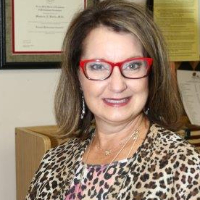
Texas · 4 yrs exp
LPC in Texas - Anxiety and Relationship Concerns
Stress, Anxiety · Addictions · Relationship · Family · +3 more
Read profile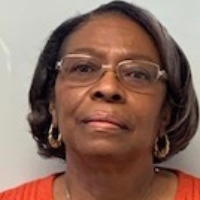
Alabama · 20 yrs exp
LPC in Alabama - Anxiety and Life Changes
Stress, Anxiety · Relationship · Grief · Depression · +9 more
Read profile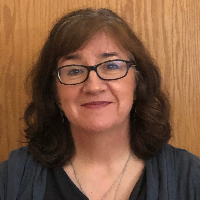
Wisconsin · 17 yrs exp
LPC in Wisconsin - Anxiety and Relationships
Stress, Anxiety · Relationship · Trauma and abuse · Self esteem · +11 more
Read profile
Oregon · 15 yrs exp
Licensed Professional Counselor - Anxiety and Addictions
Stress, Anxiety · Addictions · Relationship · Trauma and abuse · +12 more
Read profile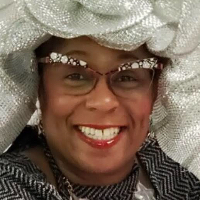
Michigan · 24 yrs exp
LCSW counselor - Stress and addiction care
Stress, Anxiety · Addictions · Relationship · Family · +1 more
Read profile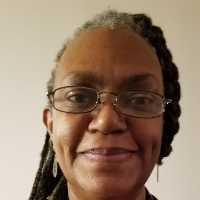
Maryland · 25 yrs exp
LCPC in Maryland - Stress and Addiction work
Stress, Anxiety · Addictions · Relationship · Grief · +12 more
Read profile
Illinois · 38 yrs exp
Illinois LCPC - Stress and Anxiety
Stress, Anxiety · Self esteem · Depression · Coping with life changes · +9 more
Read profile
Mississippi · 10 yrs exp
LPC counselor - anxiety and depression
Stress, Anxiety · Anger · Self esteem · Coping with life changes · +1 more
Read profile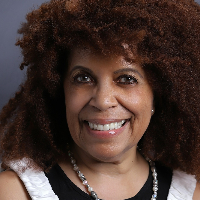
Tennessee · 15 yrs exp
LCSW - Stress and relationships
Stress, Anxiety · Relationship · Family · Self esteem · +9 more
Read profile
South Carolina · 5 yrs exp
Licensed counselor - relationships and mood
Relationship · Family · Trauma and abuse · Intimacy-related issues · +15 more
Read profileSelf-love is often described as an inner stance of kindness toward yourself, a willingness to meet your own needs and to treat yourself with the same care you would offer a friend. For many people it is less about indulgence and more about realistic acceptance, boundaries, and the ability to acknowledge your worth despite imperfections. When self-love is present you may notice greater resilience during setbacks, a clearer sense of personal values, and a reduced tendency to rely on external validation.
When self-love is low you may experience chronic self-criticism, difficulty saying no, or a pattern of tolerating relationships and situations that wear you down. You might find yourself setting aside personal needs, doubting your decisions, or engaging in self-sabotaging behaviors that undermine long-term goals. These patterns can shape how you relate to others, how you handle stress, and how you navigate life transitions. Therapy that focuses on self-love aims to shift these patterns by helping you cultivate more compassionate inner dialogue, stronger boundaries, and a sense of self that is not entirely dependent on external approval.
There are common indicators that working with a therapist on self-love could be helpful. If you notice persistent negative self-talk that reduces your motivation, relationships that leave you feeling diminished, or a habit of prioritizing others at the expense of your own needs, therapy can provide tools and perspective. You may also be struggling with perfectionism, shame, or difficulty acknowledging accomplishments, even when others praise you. These emotional patterns can interfere with your ability to pursue meaningful goals, to feel present in relationships, or to recover from setbacks.
People often seek help when they recognize cycles that repeat despite their best efforts to change. You might find yourself apologizing frequently, downplaying successes, or avoiding challenges because you fear failure or rejection. Therapy can help you identify the underlying beliefs that feed these behaviors, offer strategies to challenge them, and create practical routines that support a kinder relationship with yourself. Deciding to explore therapy for self-love is not about fixing a single flaw; it is about developing a sustainable, compassionate way of living that supports your well-being.
Therapy that centers on self-love typically begins with an exploration of your personal history and the patterns that shape your self-perception. You and your therapist will talk about moments when you felt valued and moments when you felt diminished, and you will work to connect current behavior with past experiences. Sessions often include exercises to notice and label emotions, to interrupt automatic negative thoughts, and to practice alternative responses that reflect self-compassion rather than self-criticism.
You should expect a mix of reflective dialogue and practical exercises. Some work focuses on changing thought patterns through mindful awareness, guided writing, or imagery practices that foster a kinder inner voice. Other work may involve role-playing conversations in which you practice setting boundaries or asserting needs. Progress is usually measured in changes to how you react to internal criticism and how consistently you act in alignment with your values. Therapy is a process; you may encounter discomfort as you challenge long-standing beliefs, but the aim is to build habits and perspectives that sustain you beyond the session room.
Therapists address self-love through a range of approaches, and different methods may resonate depending on your personality and goals. Cognitive-behavioral methods focus on identifying and reframing unhelpful thought patterns that fuel self-judgment. Compassion-focused techniques emphasize developing a gentler internal voice and reducing shame. Mindfulness-based approaches teach you to observe thoughts without judgment, creating space between feeling and reaction. Psychodynamic perspectives explore how early relationships and internalized messages influence your self-view.
You will also encounter therapists who list acceptance and commitment techniques among their approaches, which help you clarify values and take committed action in service of those values. Some therapists include experiential techniques such as imagery or expressive writing to access emotions that are difficult to name. Where specific modalities are mentioned in profiles, remember that the listing indicates the approach is part of a therapist's stated practice rather than a certificate of specialization. A thoughtful match between your needs and the therapist's described approaches can make a meaningful difference in your work together.
Online therapy has expanded access to therapists who focus on self-love, allowing you to connect from your home or another comfortable environment. Sessions are typically conducted via video or phone, and the format supports continuity of care when life gets busy or when travel makes in-person meetings difficult. Online sessions can be particularly useful when you want to practice new ways of relating to yourself in the real-life contexts where old patterns recur. You can bring what happens between sessions directly into your work with your therapist and refine strategies in the moment.
When choosing a therapist for self-love work, look at their stated focus areas and the approaches they list. Consider whether they mention working with issues such as shame, perfectionism, relationship patterns, or trauma, because these areas often overlap with self-love challenges. Note the credentials and professional disciplines they list, the years of experience they describe, and the populations they mention serving. Pay attention to language options if communicating in your first language matters to you. Comparing these elements helps you prioritize a practitioner whose background aligns with your needs.
Also think about practical factors that shape a therapeutic relationship. Reflect on whether you prefer a therapist who uses structured skills-based work or one who emphasizes exploration and insight. Consider session length, the typical rhythm of appointments, and fee range as part of making a sustainable choice. Think about cultural competence and whether a therapist notes experience with identities or life experiences similar to yours. Finally, trust your sense of rapport in early communications and an initial conversation - the connection you feel when interacting with a therapist often predicts how comfortable you will be doing difficult emotional work together.
Therapy for self-love is a collaborative process that supports you in changing internal habits, strengthening boundaries, and living more consistently with your values. Whether you pursue short-term focused work or a longer therapeutic relationship, the aim is to help you cultivate a kinder relationship with yourself so you can move forward with greater clarity and resilience. Use the listings above to explore profiles, read how therapists describe their approaches, and choose someone whose style and experience resonate with your goals.
Alabama
134 therapists
Alaska
18 therapists
Arizona
114 therapists
Arkansas
67 therapists
Australia
138 therapists
California
590 therapists
Colorado
188 therapists
Connecticut
63 therapists
Delaware
19 therapists
District of Columbia
24 therapists
Florida
979 therapists
Georgia
291 therapists
Hawaii
27 therapists
Idaho
47 therapists
Illinois
294 therapists
Indiana
136 therapists
Iowa
40 therapists
Kansas
68 therapists
Kentucky
108 therapists
Louisiana
170 therapists
Maine
40 therapists
Maryland
114 therapists
Massachusetts
91 therapists
Michigan
320 therapists
Minnesota
93 therapists
Mississippi
90 therapists
Missouri
232 therapists
Montana
54 therapists
Nebraska
35 therapists
Nevada
47 therapists
New Hampshire
23 therapists
New Jersey
182 therapists
New Mexico
52 therapists
New York
351 therapists
North Carolina
348 therapists
North Dakota
11 therapists
Ohio
216 therapists
Oklahoma
127 therapists
Oregon
67 therapists
Pennsylvania
281 therapists
Rhode Island
15 therapists
South Carolina
169 therapists
South Dakota
18 therapists
Tennessee
139 therapists
Texas
898 therapists
United Kingdom
912 therapists
Utah
67 therapists
Vermont
13 therapists
Virginia
179 therapists
Washington
120 therapists
West Virginia
29 therapists
Wisconsin
128 therapists
Wyoming
24 therapists