
Velma Jones
LCSWNew York · 29 yrs exp
LCSW in New York - Mood and relationship work
Stress, Anxiety · Relationship · Trauma and abuse · Depression · +10 more
Read profileTherapist listings are provided by BetterHelp. We will earn a commission at no additional cost to you if you use our links to purchase.
This directory page highlights therapists who work with life purpose concerns, including questions about meaning, career direction and personal values. Browse the listings below to review approaches, languages, credentials and focus areas to find a practitioner who fits your needs.
New York · 29 yrs exp
LCSW in New York - Mood and relationship work
Stress, Anxiety · Relationship · Trauma and abuse · Depression · +10 more
Read profile
Florida · 14 yrs exp
Marsha Oxamendi LCSW - Anxiety and Stress
Stress, Anxiety · Grief · Anger · Self esteem · +12 more
Read profile
Michigan · 25 yrs exp
Licensed Professional Counselor - Stress and Anxiety
Stress, Anxiety · LGBT · Relationship · Grief · +10 more
Read profile
Illinois · 17 yrs exp
LCSW - trauma and mood support
Trauma and abuse · Coping with life changes · Stress, Anxiety · Relationship · +9 more
Read profile
South Carolina · 16 yrs exp
Licensed MFT - Relationships and Anxiety
Stress, Anxiety · Relationship · Family · Parenting · +14 more
Read profile
Florida · 20 yrs exp
LMHC - Addiction and stress care
Stress, Anxiety · Addictions · Relationship · Self esteem · +16 more
Read profile
Minnesota · 25 yrs exp
Licensed Professional Counselor - Stress and Anxiety
Stress, Anxiety · Relationship · Grief · Self esteem · +9 more
Read profile
Florida · 32 yrs exp
LMHC - LGBT concerns and grief specialist
LGBT · Grief · Self esteem · Coping with life changes · +1 more
Read profile
Texas · 25 yrs exp
LPC in Texas - stress and relationship focus
Stress, Anxiety · Relationship · Parenting · Anger · +8 more
Read profile
New York · 24 yrs exp
LCSW in New York - anxiety and depression
Stress, Anxiety · Relationship · Anger · Self esteem · +12 more
Read profile
Mississippi · 16 yrs exp
MS LPC - Relationships and Family
Stress, Anxiety · Relationship · Family · Parenting · +6 more
Read profile
Kansas · 12 yrs exp
LCMFT in Kansas - Relationships and Anxiety
Stress, Anxiety · Relationship · Intimacy-related issues · Depression · +13 more
Read profile
Texas · 11 yrs exp
LPC in Texas - Mood and anxiety care
Stress, Anxiety · Bipolar · Depression · Self esteem · +2 more
Read profile
Kentucky · 18 yrs exp
LMFT - Relationships and Identity
LGBT · Relationship · Family · Self esteem · +14 more
Read profile
Florida · 10 yrs exp
LMHC LPC - Anxiety and Addictions
Stress, Anxiety · Addictions · Anger · Depression · +12 more
Read profile
Ohio · 3 yrs exp
LPCC in Ohio - CBT and client-centered work
Addictions · Family · Anger · Depression · +6 more
Read profile
Florida · 25 yrs exp
LMHC - Anxiety and Depression focus
Stress, Anxiety · Family · Grief · Self esteem · +12 more
Read profile
Michigan · 5 yrs exp
Licensed Professional Counselor - Stress and Anxiety
Stress, Anxiety · Relationship · Family · Self esteem · +12 more
Read profile
Pennsylvania · 12 yrs exp
Licensed counselor - anxiety and relationships
Stress, Anxiety · Relationship · Self esteem · Depression · +11 more
Read profile
Florida · 26 yrs exp
LMHC - Depression and Anxiety Focus
Relationship · Grief · Self esteem · Depression · +13 more
Read profile
Missouri · 16 yrs exp
LCSW - Stress and mood concerns
Stress, Anxiety · Trauma and abuse · Self esteem · Bipolar · +12 more
Read profile
North Carolina · 10 yrs exp
LCSW therapist - anxiety and relationships
Stress, Anxiety · Relationship · Family · Bipolar · +16 more
Read profile
Texas · 17 yrs exp
Licensed Professional Counselor - Stress and Anxiety
Stress, Anxiety · Family · Depression · Coping with life changes · +12 more
Read profile
Oregon · 14 yrs exp
Licensed Professional Counselor - Anxiety and Depression
Grief · Self esteem · Career · Depression · +8 more
Read profile
Florida · 17 yrs exp
LMHC - Relationships and Addictions
Stress, Anxiety · Addictions · Relationship · Family · +14 more
Read profile
Texas · 10 yrs exp
LPC in Texas - Anxiety and Relationship support
Stress, Anxiety · Relationship · Family · Depression · +14 more
Read profile
Michigan · 45 yrs exp
Licensed Counselor - Anxiety and Addictions
Stress, Anxiety · Addictions · Trauma and abuse · Grief · +10 more
Read profile
Wisconsin · 8 yrs exp
LPC in Wisconsin - relationships and anxiety
Relationship · Intimacy-related issues · Coping with life changes · Stress, Anxiety · +8 more
Read profile
Texas · 11 yrs exp
Licensed Professional Counselor - Anxiety and Relationships
Stress, Anxiety · Relationship · Family · Parenting · +9 more
Read profile
Texas · 12 yrs exp
Texas LPC - Mood and trauma support
Stress, Anxiety · Self esteem · Career · Depression · +9 more
Read profile
Texas · 10 yrs exp
Licensed Professional Counselor - Relationships and Family
Relationship · Family · Anger · Self esteem · +12 more
Read profile
Florida · 14 yrs exp
Florida LMHC - Anxiety and Relationships
Stress, Anxiety · Trauma and abuse · Bipolar · Depression · +16 more
Read profile
Texas · 13 yrs exp
Licensed counselor and family therapist - relationships and addiction
Stress, Anxiety · LGBT · Relationship · Trauma and abuse · +12 more
Read profile
Louisiana · 16 yrs exp
LCSW - Anxiety and Relationship Concerns
Stress, Anxiety · Relationship · Trauma and abuse · Bipolar · +16 more
Read profile
South Carolina · 10 yrs exp
LISW-CP - Anxiety and Relationship work
Stress, Anxiety · Relationship · Family · Trauma and abuse · +1 more
Read profile
Florida · 10 yrs exp
Licensed Clinical Social Worker - Stress and Relationships
Stress, Anxiety · Addictions · Family · Grief · +8 more
Read profile
Texas · 20 yrs exp
LPC in Texas - anxiety and life transitions
Family · Grief · Parenting · Self esteem · +7 more
Read profile
Florida · 13 yrs exp
LMHC in Florida - stress and anxiety focus
Stress, Anxiety · Self esteem · Career · Depression · +3 more
Read profile
New York · 30 yrs exp
LCSW in New York - Relationships and Anxiety
Stress, Anxiety · Relationship · Parenting · Self esteem · +11 more
Read profile
Michigan · 21 yrs exp
LMSW - Stress and relationship concerns
Stress, Anxiety · Relationship · Family · Bipolar · +14 more
Read profile
Virginia · 19 yrs exp
Licensed Professional Counselor - Anxiety and Life Changes
Stress, Anxiety · Grief · Self esteem · Depression · +11 more
Read profile
Indiana · 11 yrs exp
LCSW - anxiety and life changes
Stress, Anxiety · Grief · Depression · Coping with life changes · +8 more
Read profile
Pennsylvania · 9 yrs exp
LPC in Pennsylvania - Stress and Relationship Help
Stress, Anxiety · Grief · Parenting · Self esteem · +11 more
Read profile
New Jersey · 8 yrs exp
LCSW - Anxiety and Mood Concerns
Stress, Anxiety · Relationship · Trauma and abuse · Bipolar · +14 more
Read profile
Florida · 10 yrs exp
LMHC - Anxiety and Parenting
Stress, Anxiety · Family · Parenting · Self esteem · +10 more
Read profile
Florida · 20 yrs exp
Licensed Mental Health Counselor - Anxiety and Life Changes
Stress, Anxiety · Relationship · Family · Self esteem · +9 more
Read profile
Texas · 10 yrs exp
Licensed Marriage and Family Therapist - Relationships and Stress
Stress, Anxiety · Relationship · Family · Parenting · +5 more
Read profile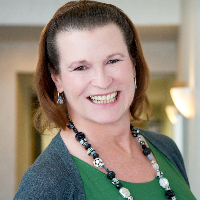
Colorado · 34 yrs exp
Dr. Rhoda Lipscomb, LPC - Sexuality and relationship concerns
Stress, Anxiety · LGBT · Relationship · Intimacy-related issues · +8 more
Read profile
Texas · 33 yrs exp
Licensed Clinical Social Worker - Relationships and Stress
Stress, Anxiety · Relationship · Family · Self esteem · +11 more
Read profile
Texas · 20 yrs exp
LICSW LCSW - Stress and Addictions
Stress, Anxiety · Addictions · Family · Grief · +15 more
Read profile
Ohio · 20 yrs exp
Ohio LISW - Anxiety and Stress focus
Stress, Anxiety · LGBT · Family · Grief · +16 more
Read profile
Georgia · 3 yrs exp
Licensed counselor - relationships and anxiety
Stress, Anxiety · Relationship · Family · Intimacy-related issues · +6 more
Read profile
Virginia · 13 yrs exp
LPC in Virginia - Anxiety and Stress
Stress, Anxiety · Anger · Self esteem · Depression · +9 more
Read profile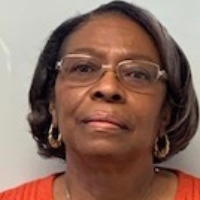
Alabama · 20 yrs exp
LPC in Alabama - Anxiety and Life Changes
Stress, Anxiety · Relationship · Grief · Depression · +9 more
Read profile
Wisconsin · 17 yrs exp
LPC in Wisconsin - Anxiety and Relationships
Stress, Anxiety · Relationship · Trauma and abuse · Self esteem · +11 more
Read profile
Texas · 10 yrs exp
LPC in Texas - stress and anxiety help
Stress, Anxiety · Self esteem · Career · Coping with life changes · +1 more
Read profile
Michigan · 24 yrs exp
LCSW counselor - Stress and addiction care
Stress, Anxiety · Addictions · Relationship · Family · +1 more
Read profile
Louisiana · 25 yrs exp
Dr Robert Hanser LPC - Addiction and Trauma
Addictions · Relationship · Family · Trauma and abuse · +11 more
Read profile
Illinois · 38 yrs exp
Illinois LCPC - Stress and Anxiety
Stress, Anxiety · Self esteem · Depression · Coping with life changes · +9 more
Read profile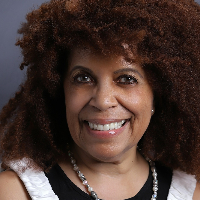
Tennessee · 15 yrs exp
LCSW - Stress and relationships
Stress, Anxiety · Relationship · Family · Self esteem · +9 more
Read profileLife purpose is a word people use to describe a sense of direction, meaning and coherence in how they live. For some the question of purpose centers on career and vocation - you may want work that feels aligned with your values. For others it is about relationships, creative expression, community contribution or simply feeling that your daily activities matter. You may experience a persistent sense of mismatch between how you live and what you care about, or you may arrive at a transition point - a graduation, a loss, a retirement or a relationship shift - that prompts deeper questions. These moments do not always signal crisis; they can also be openings for exploration, reorientation and personal growth.
When you look for clarity about life purpose, you are often balancing practical concerns with existential questions. Practical concerns include financial needs, family obligations and the logistics of change. Existential questions involve identity, legacy and what you want your life to express. Therapy for life purpose frequently helps you hold both sets of realities - the immediate constraints and the broader aspirations - so you can make decisions that feel meaningful rather than reactive.
You might consider therapy about life purpose if you feel stuck, aimless or uncertain about next steps. That can show up as low motivation, repeated dissatisfaction with work or relationships, or a persistent sense of emptiness even when external circumstances look fine. Some people notice intense indecision, procrastination, or chronic second-guessing when faced with meaningful choices. Others experience distress after achieving a goal and realizing it did not bring the fulfillment they expected.
Life purpose concerns also surface alongside feelings of anxiety, sadness or grief. A major life event - the end of a relationship, loss of a role, becoming a parent, or an illness - can prompt you to reassess priorities. Cultural pressures and family expectations may obscure your personal values, leaving you to wonder what you truly want. If you are asking questions about who you are, what you want to contribute, or how to live in line with your values, therapy can be a place to slow down, reflect and test possibilities in a supportive setting.
When you begin work on life purpose, the first sessions often involve conversation about where you are now and what you hope to explore. You and your therapist will likely map out the questions that matter most to you, from concrete career moves to broader identity work. Sessions typically mix reflective conversation, experiential exercises and practical planning. You might spend time clarifying values, mapping your life story, identifying themes that have shaped your choices, and experimenting with small behavioral changes to see how new directions feel in daily life.
Therapy for life purpose tends to be collaborative and iterative. Rather than offering quick answers, a therapist helps you notice patterns, name your priorities and test intentions in manageable steps. You may be invited to journal, craft a personal mission statement, or try short experiments that help reveal what aligns with your sense of meaning. Progress often comes in shifts - sometimes sudden, sometimes gradual - as insight combines with real-world practice. Sessions provide a place to reflect on setbacks, refine your thinking and celebrate discoveries as you clarify what matters to you.
Different clinicians draw from various schools of thought, and it can be helpful to recognize how approaches may shape the work. Some therapists who list existential therapy among their approaches emphasize questions about meaning, mortality and freedom, inviting you to explore the fundamental themes that shape purpose. Others who list narrative therapy among their approaches focus on the stories you tell about yourself, helping you rewrite narratives that limit what you imagine is possible.
Therapists who list acceptance and commitment therapy among their approaches often combine values clarification with practical experiments, helping you take committed action toward what matters despite doubt or discomfort. Those who list cognitive behavioral approaches among their approaches may work with thoughts and behavioral patterns that interfere with pursuing meaningful goals. Some practitioners who list psychodynamic perspectives among their approaches explore how early relationships and unconscious patterns influence your sense of purpose. You will also encounter clinicians who list mindfulness, somatic practices or creative modalities among their approaches, offering experiential ways to access meaning through bodily awareness or expressive work. When language about an approach resonates with you, it can guide the kind of questions and exercises you expect in sessions.
Online therapy allows you to meet with a clinician by video, phone or text-based messaging, which can make it easier to fit sessions into your schedule and to work from a setting where you feel comfortable. You can use sessions to reflect on values, explore career moves, process identity questions and try practical experiments between meetings. The format often mirrors in-person work in terms of structure - assessment, goal-setting, therapeutic interventions and follow-up - while offering flexibility in how and where you meet. If you choose video or phone, consider creating a quiet, uninterrupted space where you can focus on reflection and conversation. If you prefer text-based work, be mindful that some modalities translate differently to typed exchanges and you may need to clarify expectations with a practitioner.
Start by focusing on fit rather than a single label. Look for therapists who describe life purpose, meaning, vocation or value work in their focus areas. Read bios to learn about their approaches and which populations they mention working with, such as career transitions, midlife questions or cultural identity issues. Pay attention to language that feels compatible with your style - some practitioners emphasize practical planning and experiments, while others foreground reflective inquiry or narrative exploration. Consider the languages offered, any cultural or community experience that matters to you, and whether the clinician’s background aligns with the life stage or context you bring.
When you review practitioner profiles, notice how they describe their process. Do they invite collaborative goal-setting? Do they describe exercises like values clarification, life-mapping or short behavioral experiments? If something in a bio raises questions, a brief introductory message or initial conversation can help you sense whether their style suits you. Practical factors such as session format, length, frequency and fee structure are important to weigh as you decide who to contact. Trust your sense of comfort and responsiveness - the relationship you form with a therapist often shapes how effectively you can explore questions of purpose. Over time you may find a practitioner who helps you move from confusion to clearer, actionable choices that align with what matters most to you.
Alabama
134 therapists
Alaska
18 therapists
Arizona
114 therapists
Arkansas
67 therapists
Australia
138 therapists
California
590 therapists
Colorado
188 therapists
Connecticut
63 therapists
Delaware
19 therapists
District of Columbia
24 therapists
Florida
979 therapists
Georgia
291 therapists
Hawaii
27 therapists
Idaho
47 therapists
Illinois
294 therapists
Indiana
136 therapists
Iowa
40 therapists
Kansas
68 therapists
Kentucky
108 therapists
Louisiana
170 therapists
Maine
40 therapists
Maryland
114 therapists
Massachusetts
91 therapists
Michigan
320 therapists
Minnesota
93 therapists
Mississippi
90 therapists
Missouri
232 therapists
Montana
54 therapists
Nebraska
35 therapists
Nevada
47 therapists
New Hampshire
23 therapists
New Jersey
182 therapists
New Mexico
52 therapists
New York
351 therapists
North Carolina
348 therapists
North Dakota
11 therapists
Ohio
216 therapists
Oklahoma
127 therapists
Oregon
67 therapists
Pennsylvania
281 therapists
Rhode Island
15 therapists
South Carolina
169 therapists
South Dakota
18 therapists
Tennessee
139 therapists
Texas
898 therapists
United Kingdom
912 therapists
Utah
67 therapists
Vermont
13 therapists
Virginia
179 therapists
Washington
120 therapists
West Virginia
29 therapists
Wisconsin
128 therapists
Wyoming
24 therapists