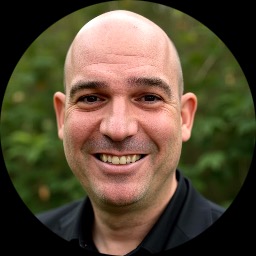
Profile / United States
Dr. Christopher Rocchio, LCSW
North Carolina
LCSW helping with anxiety and addictions
See online therapy options- CBT informed practice
- ACT and MI methods
- Workplace and men's issues
About Christopher
Dr. Christopher Rocchio is a licensed clinical social worker (LCSW) practicing in North Carolina with ten years of experience. He sees people dealing with stress, anxiety, depression, addictions, and low self-esteem. He also focuses on workplace problems, men's issues, and questions about life purpose.
He uses straightforward, skill-based work to help people notice unhelpful thoughts and habits. Sessions focus on practical steps clients can try between meetings. He draws on Cognitive Behavioral Therapy (CBT) and other approaches to structure that work and track progress.
His style is collaborative and nonjudgmental. He helps people improve communication, reduce impulsive patterns, and manage mood ups and downs. He also supports people living with chronic pain, illness, or disability who need ways to cope with ongoing stressors.
Dr. Rocchio uses Acceptance and Commitment Therapy (ACT) and Motivational Interviewing alongside CBT techniques. That combination is used to clarify values, build motivation for change, and develop new behavioral routines. Clients are invited to set concrete goals and test small experiments between sessions.
To begin, a person fills out a short matching questionnaire and schedules a first session. The practice uses a cancelable subscription model for sessions, with fees that vary by location. Sessions are offered in English and international clients are not accepted.
How CBT and ACT translate to online sessions
CBT focuses on spotting unhelpful thoughts and testing different responses. It uses brief exercises, thought records, and behavioral experiments to change patterns that maintain anxiety or low mood. ACT emphasizes clarifying what matters to the client and practicing actions that align with those values while accepting difficult feelings.He also uses Motivational Interviewing techniques to help people find their own reasons to change. Together these approaches help set clear goals and small steps to try between meetings. Deciding which mix to use is collaborative - the therapist and client review goals, try methods, and adjust based on what works.
Confirm current session options before booking since formats are not specified in the biography. Online sessions can make it easier to fit therapy into a busy day, allow shorter check-ins when needed, and reduce travel time. They can also let someone choose sessions that match their energy level, for example a phone check-in versus a longer meeting that includes exercises on camera. Ask about session length and format when scheduling to pick the best fit.
Areas of expertise
Primary focus
Additional focus areas
Therapeutic approaches
Experience
10+ years
Listed in
North Carolina
Languages
English
Frequently asked questions
What kinds of problems does he help with most often?
He works with stress, anxiety, depression, addictions, and low self-esteem, plus related concerns like workplace issues and isolation.
How does he use CBT in sessions?
He uses CBT techniques to identify unhelpful thoughts and habits, then tests new behaviors and tracks progress over time.
What is his background and clinical experience?
He is an LCSW with ten years of clinical experience working with adults on mood, motivation, and life transition issues.
Where is he licensed to practice?
He holds an LCSW license in North Carolina and practices there.
Which languages are supported for sessions?
Sessions are offered in English.
Can people outside the United States work with him?
He does not accept international clients at this time.
How are session fees handled?
Fees vary by location and sessions use a subscription that can be canceled at any time.
What are the first steps to start working together?
Choose the See online therapy options button, complete a short matching questionnaire, and schedule your first session.
Details come from information the therapist supplied to BetterHelp. A license can be checked with the state board.
Online talk therapy is not emergency care. If you are not safe, use the crisis numbers.