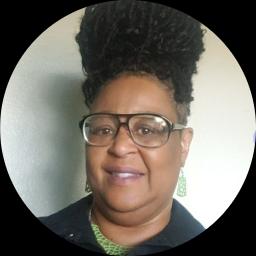
Profile / United States
Darlene Shipp-Estes, LMFT
California
LMFT - Anxiety and Addiction support
See online therapy options- CBT techniques
- Motivational interviewing
- Mindfulness practice
About Darlene
Darlene Shipp-Estes is a Licensed Marriage and Family Therapist (LMFT) in California with 10 years of professional experience. She helps people who are dealing with stress, anxiety, addictions, trauma and abuse, anger, and depression. She works in English and focuses on practical ways to reduce symptoms and regain steadiness.
Her approach centers on clear conversation and step-by-step tools. She uses Cognitive Behavioral Therapy to notice unhelpful thoughts and change behaviors. She also uses client-centered ideas to listen closely and motivational interviewing to strengthen commitment to change.
Sessions are focused and goal-oriented. Darlene talks through what is most urgent and then breaks work into manageable steps. She pays attention to patterns that keep problems going and offers concrete strategies to interrupt them.
She has additional experience with issues such as guilt and shame, impulsivity, isolation and loneliness, panic attacks, post-traumatic stress, and communication problems. She also supports people dealing with caregiver stress, control issues, forgiveness, and mood disorders.
Her style is practical. Expect short exercises, repeated practice, and regular review of progress. To start, she asks about what has worked before and what the client wants to change next.
How therapeutic approaches translate to online sessions
Many clients work through thoughts and habits using Cognitive Behavioral Therapy. CBT focuses on spotting unhelpful thinking, trying small behavioral experiments, and building routines that reduce anxiety and depression. Client-Centered Therapy emphasizes listening and reflection so clients can clarify goals and feel understood during decision making.Finding the right approach is part of the work. The therapist will discuss goals, preferences, and the problems that matter most, and then choose methods together. That makes the plan a joint process instead of a one-size-fits-all prescription.
Confirm current session options before booking so you know the practical format available. Online sessions can make it easier to fit therapy into a weekly routine, shorten commute time, and allow brief check-ins during a busy day. Some approaches work well with short skill-practice between sessions and written exercises that are reviewed together, which translates directly to remote work. Ask about session length and scheduling when you complete the matching questionnaire so sessions can be arranged to fit your everyday life.
Areas of expertise
Primary focus
Additional focus areas
Therapeutic approaches
Experience
10+ years
Listed in
California
Languages
English
Frequently asked questions
What concerns does she help with most often?
She works with stress, anxiety, addictions, trauma and abuse, anger, and depression, plus related issues like panic attacks and post-traumatic stress.
How does she use Cognitive Behavioral Therapy?
She uses CBT to identify unhelpful thoughts and test new behaviors in daily life. Sessions include exercises and homework to practice those skills.
What is her professional background?
She has 10 years of clinical experience and works as a Licensed Marriage and Family Therapist.
Where is she licensed and based?
She holds a California LMFT credential and provides services from California.
Which languages are supported in sessions?
Sessions are offered in English.
Can she work with clients outside the United States?
She does not accept international clients at this time.
How are sessions arranged and billed?
Cost varies with location and sessions use a subscription that can be canceled at any time.
How do I begin a first session?
Select the See online therapy options button, complete a short matching questionnaire, and schedule a first session.
Details come from information the therapist supplied to BetterHelp. A license can be checked with the state board.
Online talk therapy is not emergency care. If you are not safe, use the crisis numbers.