Profile / United States
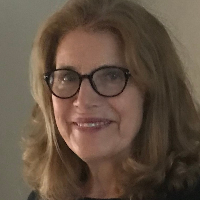
Beth Avery, LCSW
Connecticut
Licensed Clinical Social Worker - Stress and Caregiving
See online therapy options- Cognitive Behavioral Therapy
- Geriatric social work
- Caregiver support
About Beth
Beth Avery is a Licensed Clinical Social Worker (LCSW) in Connecticut with 24 years of clinical experience. She helps people who are dealing with stress, anxiety, relationship and family concerns, grief, trauma and abuse, depression, bipolar disorder, parenting strain, and caregiver fatigue.
Her work draws on practical, structured methods such as Cognitive Behavioral Therapy (CBT), Acceptance and Commitment Therapy (ACT), Dialectical Behavior Therapy (DBT), attachment-based and client-centered approaches. She emphasizes looking at the whole picture so mental and physical health are considered together. Beth often coordinates with a client's medical providers when the client agrees, to understand how medications or medical conditions affect mood and functioning.
Beth uses a systems perspective to identify the different influences on a person's behavior. She and the client review family, medical, social, and environmental factors and then work to strengthen the systems that support better functioning. Between sessions she may suggest observations to try or share short articles to read.
She has extensive experience in geriatric social work and with chronic illnesses such as MS, Parkinson's disease, ALS, rheumatoid arthritis, and cancer. That background includes helping caregivers manage the ups and downs of care, navigating Medicare and Medicaid questions, and supporting decisions about long-term care options. Beth also offers help with anticipatory grief and end-of-life planning.
Her style is collaborative and practical. She frames the therapeutic relationship as a give-and-take of ideas and suggestions aimed at clearer thinking, better coping, and more manageable daily routines.
How Beth integrates structured approaches in remote sessions
Beth commonly uses Cognitive Behavioral Therapy (CBT) in clear, step-by-step ways to help people notice unhelpful thoughts, test them, and try different responses. CBT is useful for anxiety, depression, sleep problems, and daily stress. Acceptance and Commitment Therapy (ACT) is another approach she uses to help people clarify values, accept hard feelings without getting stuck, and take committed actions toward meaningful goals. Attachment-Based Therapy is used when relationship patterns and early bonds are affecting current functioning; it focuses on understanding those patterns and trying new interaction habits.Finding the right mix of methods is part of the work. She will collaborate with each person to choose approaches that fit their goals, needs, and preferences rather than prescribe one fixed method. That decision is revisited as treatment progresses and as situations change.
Session formats are not specified in the original biography, so confirm current session options before booking. In general, remote sessions can make it easier to fit therapy into a busy schedule, allow for shorter check-ins when needed, and reduce travel time. They can also let clients participate from a quiet place and reduce the need to take long blocks out of a workday. Ask about the available session formats when you schedule so you can pick what works best for your routine.
Areas of expertise
Primary focus
Also works with
Additional focus areas
Therapeutic approaches
Experience
24+ years
Listed in
Connecticut
Languages
English
Frequently asked questions
What concerns does she most often address?
She works with stress, anxiety, depression, bipolar disorder, relationship and family issues, trauma and grief, sleep and intimacy-related problems, and caregiver strain.
How would she describe her therapeutic style?
She uses practical, structured methods like CBT and ACT alongside client-centered and attachment-based work to help people notice and change unhelpful thoughts and habits.
How much clinical experience does she have?
She has 24 years of experience, including roles as a director of social work in skilled nursing settings and ongoing private practice work.
What credential does she hold and where is she based?
She is a Connecticut LCSW and practices in Connecticut.
Which languages are sessions offered in?
Sessions are offered in English.
Does she work with international clients?
International clients are not accepted at this time.
How are costs handled?
Cost varies by location and sessions use a subscription model that can be canceled at any time.
How do I begin a first session?
Select the See online therapy options button, complete a short matching questionnaire, and schedule your first session.
Details come from information the therapist supplied to BetterHelp. A license can be checked with the state board.
Online talk therapy is not emergency care. If you are not safe, use the crisis numbers.