Profile / United States
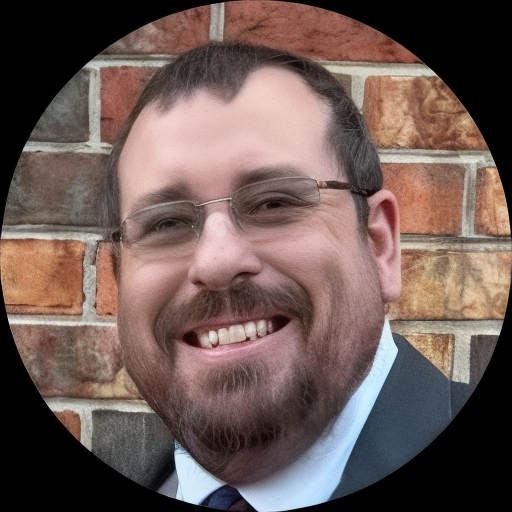
Brandon Byrd, LPC
Tennessee
LPC in Tennessee - Depression and Anger
See online therapy options- CBT techniques
- DBT skills
- EMDR methods
About Brandon
Brandon Byrd is an LPC (Licensed Professional Counselor) practicing in Tennessee with eight years of experience. He helps people who are facing depression, anger, low self-esteem, career transitions, and major life changes. Brandon focuses on clear, problem-solving work that families and individuals can use in daily life.
He uses straightforward talk therapy alongside structured techniques to change unhelpful thoughts and habits. Sessions often look at patterns in thinking that keep problems stuck, and then try new ways of responding to those patterns. Brandon also draws on approaches that include client-centered methods, dialectical behavior therapy, EMDR, motivational interviewing, and Cognitive Behavioral Therapy when they fit a person’s needs.
His work often addresses attachment issues, blended family concerns, communication problems, forgiveness, and feelings of isolation. He also helps with men’s issues, workplace stress, social anxiety, and post-traumatic stress. The focus is on practical steps people can take between sessions to notice what’s working and what isn’t.
Brandon prefers a collaborative style. He talks with each person about goals and then chooses strategies together. He explains what to try, checks how it went, and adjusts the plan based on real-world results.
Sessions use a subscription model that can be canceled at any time, and costs vary by location. Sessions are conducted in English in Tennessee. To begin, clients use the site’s matching questionnaire and schedule an initial appointment.
How Brandon blends approaches for online work
Brandon uses Cognitive Behavioral Therapy to help people spot and test thoughts and habits that make problems worse. CBT focuses on concrete exercises and short experiments people can do between sessions to see what changes help most.He also uses client-centered methods that center the conversation on what matters to the person. This means the therapist listens, reflects, and helps set goals based on the client’s priorities. When emotional regulation is a focus, he draws on Dialectical Behavior Therapy skills for managing intense feelings and improving communication.
Finding the right approach is part of the work. Brandon will review someone’s goals and preferences and suggest which methods to try first. He checks progress and adjusts the plan so the approach fits real needs and daily routines.
Session formats are not specified in the original biography, so confirm current options before booking. Online work can make it easier to fit sessions into a busy schedule, shorten commute time, and allow check-ins during a lunch break or after work. Some approaches, like CBT, lend themselves to short exercises and homework that transfer smoothly to online sessions, while DBT skills can be practiced in real time with therapist coaching.
Areas of expertise
Primary focus
Additional focus areas
Therapeutic approaches
Experience
8+ years
Listed in
Tennessee
Languages
English
Frequently asked questions
What concerns does he address most often?
He commonly helps with depression, anger, low self-esteem, career changes, and coping with life transitions.
How does he use Cognitive Behavioral Therapy?
He uses CBT to identify unhelpful thoughts and behaviors, then tests practical changes to reduce symptoms and improve daily functioning.
What is his professional background?
He has eight years of clinical experience working with people facing mood, stress, and interpersonal concerns.
What credential and location are listed?
He is an LPC (Licensed Professional Counselor) licensed in Tennessee and practices in that state.
Which languages are available for sessions?
Sessions are offered in English.
Can people outside the U.S. work with him?
He is not accepting international clients at this time.
How are sessions paid for?
Sessions use a subscription that can be canceled at any time and the exact cost varies with location.
What are the steps to begin work?
Click the See online therapy options button, complete the short matching questionnaire, and schedule the first session.
Details come from information the therapist supplied to BetterHelp. A license can be checked with the state board.
Online talk therapy is not emergency care. If you are not safe, use the crisis numbers.