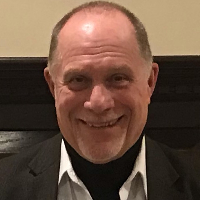
Profile / United States
David Spann, LCSW, LISW
North Carolina
LCSW in North Carolina - Trauma and Addiction
See online therapy options- Cognitive Behavioral Therapy
- Attachment-based work
- Mindfulness and DBT skills
About David
David Spann is an LCSW (Licensed Clinical Social Worker) and LISW with 29 years of clinical experience based in North Carolina. He focuses on addiction, trauma, grief, anxiety, depression, relationship and intimacy concerns, and parenting stress. He also supports people facing career changes, mood disorders, and compassion fatigue.
He describes therapies that help people notice patterns and try different responses to thoughts and feelings. He draws on Cognitive Behavioral Therapy to identify unhelpful thinking and behavior, and uses mindfulness and dialectical behavior approaches to teach emotion regulation skills. Attachment-based and client-centered ideas guide how he talks about relationships and connection.
His background includes work in outpatient, residential, and hospital settings, including clinical time at a Naval Hospital supporting active duty Marines. That experience informs how he links trauma, addiction, and mental illness to stress on family systems and daily functioning. He also has experience in crisis intervention training for law enforcement and as a state trainer for the NAMI Family to Family program.
Outside direct clinical work he has led programs on grief, communication, anger management, boundaries, and relational enrichment. He brings prior experience in management, marketing, leadership development, and coaching to help people clarify life purpose and vocational concerns.
David describes his practice as practical and skills-focused. He helps people work through immediate problems while teaching tools they can use between sessions. To start, people complete a short matching questionnaire and schedule an initial appointment.
How his approaches translate to online work
David integrates Cognitive Behavioral Therapy, Attachment-Based Therapy, and Client-Centered Therapy in straightforward ways. CBT focuses on identifying thought patterns and testing new behaviors, which often translates into concrete homework and short skills practice between sessions. Attachment-Based Therapy looks at how relationship patterns affect emotions and choices, useful for people dealing with intimacy, family stress, or attachment concerns. Client-Centered Therapy emphasizes listening and collaboration so the therapist follows what matters most to the person and shapes sessions around their goals.Finding the right approach is part of the process. He will work with clients to decide which methods fit their goals and preferences, adjusting techniques as needs change. That collaborative process helps set practical, measurable steps for progress rather than relying on a single method.
Session formats are not listed in the biography, so confirm current session options before booking. Online work can make it easier to fit appointments into a weekday or evening routine, limit travel time, and support brief check-ins when a full in-person visit is harder to schedule. It also allows the therapist to assign and review CBT exercises, mindfulness practices, and DBT skills between meetings so people can apply tools in daily life.
Areas of expertise
Primary focus
Also works with
Additional focus areas
Therapeutic approaches
Experience
29+ years
Listed in
North Carolina, Ohio
Languages
English
Frequently asked questions
What concerns does he commonly address?
He works with addictions, trauma and abuse, grief, anxiety, depression, relationship and intimacy-related issues, parenting stress, anger, self-esteem, bipolar and mood disorders.
How does he use Cognitive Behavioral Therapy?
He uses CBT to help people recognize unhelpful thoughts and behaviors and practice different responses. CBT is paired with skills from mindfulness and DBT when helpful.
What is his clinical background?
He has 29 years of experience across outpatient, residential, and hospital settings, including work at a Naval Hospital with active duty Marines and years of crisis intervention training.
What credentials and location does he hold?
He holds LCSW and LISW credentials and practices in North Carolina.
Which languages are sessions offered in?
Sessions are offered in English.
Can international clients work with him?
He does not accept international clients at this time.
How are sessions paid for?
Cost varies by location; sessions use a subscription that can be canceled at any time.
How do I get started?
Select the See online therapy options button, complete a short matching questionnaire, and schedule a first session.
Details come from information the therapist supplied to BetterHelp. A license can be checked with the state board.
Online talk therapy is not emergency care. If you are not safe, use the crisis numbers.