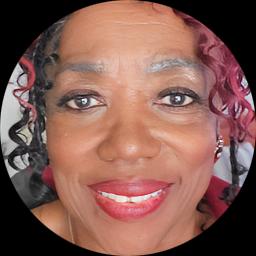
Profile / United States
Frankye Johnson, LCSW, LMFT
Indiana
LCSW and LMFT - Stress and relationship concerns
See online therapy options- CBT and client-centered methods
- Motivational interviewing
- Adults over 25
About Frankye
Frankye Johnson is an LCSW and an LMFT licensed in Indiana with 40 years of clinical experience. She focuses on stress, anxiety, self-esteem, depression, relationship concerns, and life changes. Frankye typically works with adults over 25 who are willing to engage in practical work toward change.
Her background spans long-term clinical practice and direct support for common life problems. She often addresses motivation, confidence, and coping with shifting circumstances. She also brings attention to issues such as grief, anger, career strain, and compassion fatigue.
Frankye uses clear, goal-oriented methods in sessions. She helps people notice unhelpful thoughts and habits and then try different ways of responding. Sessions center on specific steps and small changes clients can use between meetings.
She pays attention to cultural context and is especially experienced working with Black and African American clients. Other focus areas include caregiver stress, aging concerns, communication problems, codependency, and feelings of isolation or emptiness.
Clients can expect practical conversations about next steps rather than long exploratory sessions. Frankye encourages people to set short-term goals and to track what helps. She asks for active participation and regular check-ins to adjust what’s working.
How his approaches translate to online work
Frankye uses Cognitive Behavioral Therapy to help people identify patterns of thinking and behavior that keep problems going, then tests small changes to see what helps. Client-Centered Therapy provides space for the client to lead the conversation while the therapist follows concerns and priorities. Motivational Interviewing is used when someone needs clear, respectful help finding reasons to change and planning manageable next steps.Finding the right approach is part of the process. Frankye works with each client to pick methods that fit their goals, needs, and preferences. She discusses options and adjusts the mix of techniques as therapy progresses so sessions stay practical and focused.
Session formats are not specified in the biography, so confirm current online options before booking. Online work can make it easier to fit therapy into a weekday break or to avoid travel time. It can also allow shorter check-ins when needed, or sessions that do not require being on camera if that helps with comfort or bandwidth. Ask about available formats when you schedule to choose what fits your routine.
Areas of expertise
Primary focus
Also works with
Additional focus areas
Therapeutic approaches
Experience
40+ years
Listed in
Indiana
Languages
English
Frequently asked questions
What kinds of problems does he help with most often?
He works with stress, anxiety, depression, self-esteem, relationship and life-change concerns, plus grief and anger.
How does he typically approach therapy?
He uses practical, goal-focused methods including Cognitive Behavioral Therapy and client-centered techniques to notice and change unhelpful thoughts and habits.
How much clinical experience does he have?
He has 40 years of professional clinical work experience in a range of settings.
What are his credentials and where is he based?
Frankye holds LCSW and LMFT credentials and practices in Indiana.
In which languages can sessions be held?
Sessions are offered in English.
Does he work with international clients?
International clients are not currently accepted.
How are sessions paid for and what do they cost?
Cost varies by location and sessions use a subscription that can be canceled at any time.
How do I begin a first session?
Select the See online therapy options button, complete the short matching questionnaire, and schedule a first session.
Details come from information the therapist supplied to BetterHelp. A license can be checked with the state board.
Online talk therapy is not emergency care. If you are not safe, use the crisis numbers.