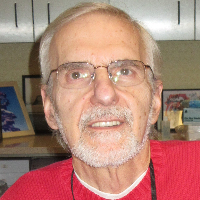
Profile / United States
Kenneth Catalanotte, LCSW
Illinois
LCSW - trauma and mood concerns
See online therapy options- Cognitive Behavioral Therapy
- Client-Centered Therapy
- Trauma and grief focus
About Kenneth
Kenneth Catalanotte is an LCSW licensed in Illinois with 30 years of clinical experience. He focuses on concerns such as trauma and abuse, grief, depression, anxiety, addictions, and issues around self-esteem and relationships. He also addresses sleep and eating concerns, anger, career questions, ADHD, and struggles with loneliness and life purpose.
He uses straightforward, talk-based work to help people notice patterns that cause distress. Sessions look at thoughts, behaviors, and practical steps someone can try between meetings. He aims to collaborate rather than direct, so clients remain active in deciding what to try next.
His background includes long-term practice in community and clinical settings. That experience shaped a steady approach to stressful life changes and complex reactions to trauma. He has spent years supporting people who need help managing strong emotions and rebuilding routines.
Kenneth draws on cognitive behavioral ideas to link thoughts and actions, and on client-centered methods to keep the client's perspective central. He also brings elements of existential and psychodynamic thinking when questions about meaning, identity, or long-standing patterns come up.
Sessions are practical and paced to fit daily life. He works with people who want direct, structured help for specific problems and those seeking clearer ways to manage ongoing stress. To begin, readers should confirm current session options before booking.
How Kenneth applies approaches to online sessions
Kenneth commonly uses Cognitive Behavioral Therapy to help people notice and change unhelpful thoughts and behaviors. CBT is practical and problem-focused, which can help with anxiety, depression, sleep, and habits related to addiction.He also uses Client-Centered Therapy to keep the client's perspective central. That approach emphasizes listening and supporting the client's own goals. When questions about meaning or long-standing patterns arise, he may draw on Existential Therapy to talk about values, choice, and purpose.
Finding the right approach is part of the work. Kenneth will discuss goals and preferences and then recommend ways of working together. This is a collaborative process that can shift as needs change.
The reader should confirm current session formats before booking, since the biography does not list specific online options. Online sessions can make it easier to fit meetings into busy schedules, allow shorter check-ins when needed, and remove travel time. Talk-based methods like CBT and client-centered work translate well to remote sessions, and the therapist will plan practical, manageable steps that fit the client's everyday routines.
Areas of expertise
Also works with
Additional focus areas
Therapeutic approaches
Experience
30+ years
Listed in
Illinois
Languages
English
Frequently asked questions
What kinds of problems does he help with most?
He works with trauma and abuse, grief, depression, anxiety, addictions, self-esteem, and relationship and intimacy concerns, among other issues.
How does he use Cognitive Behavioral Therapy?
He uses CBT to identify unhelpful thoughts and behaviors and to practice different responses. The work is practical and often includes steps to try between sessions.
What is his clinical background?
He is an LCSW with 30 years of counseling experience in community and clinical settings, including work with people recovering from severe trauma.
Where is he licensed and based?
He holds an LCSW license in Illinois and practices from that state.
Which languages are supported?
Sessions are offered in English.
Can people outside the United States work with him?
International clients are not currently accepted.
How are sessions scheduled and what do they cost?
Cost varies with location and sessions use a subscription that can be canceled at any time.
How do I get started with a first session?
Select the See online therapy options button, complete a short matching questionnaire, and schedule a first session.
Details come from information the therapist supplied to BetterHelp. A license can be checked with the state board.
Online talk therapy is not emergency care. If you are not safe, use the crisis numbers.