Profile / United States
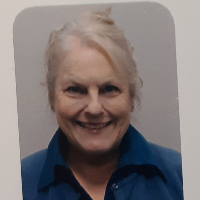
Sarah Ross, LMHC
Washington
LMHC in Washington - Relationships and Mood
See online therapy options- CBT-focused techniques
- Grief and loss support
- Communication skills work
About Sarah
Sarah Ross is a Washington state LMHC with 27 years of clinical experience. She works with people facing stress, anxiety, depression, relationship and family concerns, grief and loss, parenting challenges, and career or life transitions.
She has worked in many settings including community mental health, drug court, marital counseling centers, and private practice. That background means she has experience with long-term mental health needs, substance-use collaboration, communication skills for couples, and grief work. She has also supported adults who grew up with parental alcoholism and people dealing with low self-esteem.
Sarah uses a mix of practical methods rather than one fixed system. She often leans on Cognitive Behavioral Therapy to help people notice unhelpful thoughts and try different responses. She also draws on client-centered ideas and psychodynamic thinking to understand patterns that repeat across relationships.
In sessions she aims to be interactive and direct. She looks for blind spots clients may not see and points them out so people can gain new insight. She also balances coaching-style feedback with gentler reflection when that fits the person’s needs.
Sarah emphasizes that change takes time and a shared commitment. She works with clients to set clear goals and develop step-by-step ways to practice new skills between sessions. People who want concrete strategies and occasional deeper reflection may find this approach a practical fit.
How therapeutic approaches are used in online sessions
Sarah commonly uses Cognitive Behavioral Therapy to identify patterns of thinking that keep problems going and to practice concrete skills that change reactions. CBT is useful for anxiety, mood problems, and stress-related habits.She also uses Client-Centered Therapy to focus on the person’s perspective and to build a working relationship. That approach prioritizes listening and reflecting so the client’s own goals guide the work. The Gottman Method informs her work on communication and relationship skills, offering specific exercises for couples who want clearer interaction patterns.
Deciding which approach to use is part of the work together. She will help clients weigh their goals, preferences, and what they want to change, then choose methods to try. That process is collaborative and can shift as progress is made.
Confirm current session formats before booking so you know which options are available. Online sessions can make it easier to fit therapy into a busy day, allow shorter check-ins when needed, and reduce travel time. Many people find that working this way helps keep momentum between sessions while still allowing for focused skills practice and problem solving.
Areas of expertise
Primary focus
Also works with
Additional focus areas
Therapeutic approaches
Experience
27+ years
Listed in
Washington
Languages
English
Frequently asked questions
What concerns does she treat most often?
She commonly helps with stress, anxiety, depression, relationship and family issues, grief and parenting challenges.
How does she use Cognitive Behavioral Therapy?
She leans on CBT to help people notice unhelpful thoughts and practice different ways of responding in daily life.
What is her professional background?
She has 27 years of experience and has worked in community mental health, drug court, marital counseling centers, and private practice.
What are her credentials and where is she based?
She is a Licensed Mental Health Counselor (LMHC) licensed in Washington.
In which languages can sessions be held?
Sessions are offered in English.
Does she accept international clients?
She does not accept international clients at this time.
How are sessions billed?
Cost varies with location and sessions use a subscription model that can be canceled at any time.
How do I begin working with her?
Select the See online therapy options button, complete a short matching questionnaire, and schedule your first session.
Details come from information the therapist supplied to BetterHelp. A license can be checked with the state board.
Online talk therapy is not emergency care. If you are not safe, use the crisis numbers.