
Velma Jones
LCSWNew York · 29 yrs exp
LCSW in New York - Mood and relationship work
Stress, Anxiety · Relationship · Trauma and abuse · Depression · +10 more
Read profileTherapist listings are provided by BetterHelp. We will earn a commission at no additional cost to you if you use our links to purchase.
This directory page highlights clinicians who work with family of origin issues. You can review profiles to compare focus areas, approaches, languages and experience. Browse the listings below to begin your search.
New York · 29 yrs exp
LCSW in New York - Mood and relationship work
Stress, Anxiety · Relationship · Trauma and abuse · Depression · +10 more
Read profile
Illinois · 17 yrs exp
LCSW - trauma and mood support
Trauma and abuse · Coping with life changes · Stress, Anxiety · Relationship · +9 more
Read profile
South Carolina · 16 yrs exp
Licensed MFT - Relationships and Anxiety
Stress, Anxiety · Relationship · Family · Parenting · +14 more
Read profile
Florida · 20 yrs exp
LMHC - Addiction and stress care
Stress, Anxiety · Addictions · Relationship · Self esteem · +16 more
Read profile
Minnesota · 25 yrs exp
Licensed Professional Counselor - Stress and Anxiety
Stress, Anxiety · Relationship · Grief · Self esteem · +9 more
Read profile
Mississippi · 16 yrs exp
MS LPC - Relationships and Family
Stress, Anxiety · Relationship · Family · Parenting · +6 more
Read profile
Kansas · 12 yrs exp
LCMFT in Kansas - Relationships and Anxiety
Stress, Anxiety · Relationship · Intimacy-related issues · Depression · +13 more
Read profile
Kentucky · 18 yrs exp
LMFT - Relationships and Identity
LGBT · Relationship · Family · Self esteem · +14 more
Read profile
Colorado · 15 yrs exp
LPC in Colorado - Relationships and Anxiety
Stress, Anxiety · Relationship · Intimacy-related issues · Self esteem · +10 more
Read profile
Florida · 26 yrs exp
LMHC - Depression and Anxiety Focus
Relationship · Grief · Self esteem · Depression · +13 more
Read profile
North Carolina · 10 yrs exp
LCSW therapist - anxiety and relationships
Stress, Anxiety · Relationship · Family · Bipolar · +16 more
Read profile
Texas · 17 yrs exp
Licensed Professional Counselor - Stress and Anxiety
Stress, Anxiety · Family · Depression · Coping with life changes · +12 more
Read profile
Oregon · 14 yrs exp
Licensed Professional Counselor - Anxiety and Depression
Grief · Self esteem · Career · Depression · +8 more
Read profile
Texas · 10 yrs exp
LPC in Texas - Anxiety and Relationship support
Stress, Anxiety · Relationship · Family · Depression · +14 more
Read profile
Wisconsin · 8 yrs exp
LPC in Wisconsin - relationships and anxiety
Relationship · Intimacy-related issues · Coping with life changes · Stress, Anxiety · +8 more
Read profile
Texas · 11 yrs exp
Licensed Professional Counselor - Anxiety and Relationships
Stress, Anxiety · Relationship · Family · Parenting · +9 more
Read profile
Texas · 10 yrs exp
Licensed Professional Counselor - Relationships and Family
Relationship · Family · Anger · Self esteem · +12 more
Read profile
Florida · 14 yrs exp
Florida LMHC - Anxiety and Relationships
Stress, Anxiety · Trauma and abuse · Bipolar · Depression · +16 more
Read profile
Texas · 13 yrs exp
Licensed counselor and family therapist - relationships and addiction
Stress, Anxiety · LGBT · Relationship · Trauma and abuse · +12 more
Read profile
Louisiana · 16 yrs exp
LCSW - Anxiety and Relationship Concerns
Stress, Anxiety · Relationship · Trauma and abuse · Bipolar · +16 more
Read profile
Florida · 10 yrs exp
Licensed Clinical Social Worker - Stress and Relationships
Stress, Anxiety · Addictions · Family · Grief · +8 more
Read profile
Texas · 20 yrs exp
LPC in Texas - anxiety and life transitions
Family · Grief · Parenting · Self esteem · +7 more
Read profile
Michigan · 21 yrs exp
LMSW - Stress and relationship concerns
Stress, Anxiety · Relationship · Family · Bipolar · +14 more
Read profile
Indiana · 11 yrs exp
LCSW - anxiety and life changes
Stress, Anxiety · Grief · Depression · Coping with life changes · +8 more
Read profile
Florida · 20 yrs exp
Licensed Mental Health Counselor - Anxiety and Life Changes
Stress, Anxiety · Relationship · Family · Self esteem · +9 more
Read profile
Texas · 10 yrs exp
Licensed Marriage and Family Therapist - Relationships and Stress
Stress, Anxiety · Relationship · Family · Parenting · +5 more
Read profile
Texas · 33 yrs exp
Licensed Clinical Social Worker - Relationships and Stress
Stress, Anxiety · Relationship · Family · Self esteem · +11 more
Read profile
Texas · 20 yrs exp
LICSW LCSW - Stress and Addictions
Stress, Anxiety · Addictions · Family · Grief · +15 more
Read profile
Ohio · 20 yrs exp
Ohio LISW - Anxiety and Stress focus
Stress, Anxiety · LGBT · Family · Grief · +16 more
Read profile
Georgia · 3 yrs exp
Licensed counselor - relationships and anxiety
Stress, Anxiety · Relationship · Family · Intimacy-related issues · +6 more
Read profile
Texas · 4 yrs exp
LPC in Texas - Anxiety and Relationship Concerns
Stress, Anxiety · Addictions · Relationship · Family · +3 more
Read profile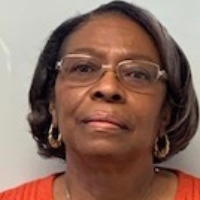
Alabama · 20 yrs exp
LPC in Alabama - Anxiety and Life Changes
Stress, Anxiety · Relationship · Grief · Depression · +9 more
Read profile
Wisconsin · 17 yrs exp
LPC in Wisconsin - Anxiety and Relationships
Stress, Anxiety · Relationship · Trauma and abuse · Self esteem · +11 more
Read profile
Illinois · 38 yrs exp
Illinois LCPC - Stress and Anxiety
Stress, Anxiety · Self esteem · Depression · Coping with life changes · +9 more
Read profile
California · 20 yrs exp
Licensed Clinical Social Worker - Stress and Relationship concerns
Stress, Anxiety · Relationship · Family · Parenting · +15 more
Read profile
New York · 15 yrs exp
LCSW - Anxiety and Addictions
Stress, Anxiety · Addictions · Relationship · Self esteem · +10 more
Read profile
Kansas · 17 yrs exp
Licensed counselor - anxiety and relationships
Stress, Anxiety · Relationship · Family · Anger · +10 more
Read profile
Mississippi · 36 yrs exp
LCSW - Family and parenting support
Family · Parenting · Anger · Self esteem · +11 more
Read profile
New York · 14 yrs exp
LCSW - Stress and relationship concerns
Stress, Anxiety · Relationship · Trauma and abuse · Self esteem · +5 more
Read profile
Wyoming · 14 yrs exp
LCSW in Wyoming - anxiety and depression
Addictions · Relationship · Depression · Coping with life changes · +11 more
Read profile
North Carolina · 30 yrs exp
LCMHC counselor - anxiety and life transitions
Stress, Anxiety · Addictions · LGBT · Trauma and abuse · +1 more
Read profile
New Jersey · 10 yrs exp
LMHC and LPC - Relationships and Anxiety
Stress, Anxiety · Relationship · Family · Parenting · +4 more
Read profile
Iowa · 9 yrs exp
Licensed Independent Social Worker - Relationships and Stress
Stress, Anxiety · Relationship · Family · Trauma and abuse · +8 more
Read profile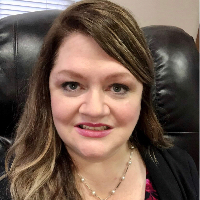
Georgia · 27 yrs exp
Licensed counselor - anxiety and mood concerns
Stress, Anxiety · Trauma and abuse · Bipolar · Depression · +16 more
Read profile
Massachusetts · 20 yrs exp
LICSW - Stress and life changes
Stress, Anxiety · Self esteem · Career · Depression · +11 more
Read profile
South Carolina · 8 yrs exp
LPC - Anxiety and Trauma
Stress, Anxiety · Trauma and abuse · Self esteem · Depression · +16 more
Read profile
Florida · 18 yrs exp
Dr. Nicole Thweatt LMHC - Anxiety and Relationship support
Stress, Anxiety · Parenting · Anger · Self esteem · +13 more
Read profile
Texas · 35 yrs exp
LCSW-C in Texas - Anxiety and Relationship concerns
Stress, Anxiety · Relationship · Family · Trauma and abuse · +14 more
Read profile
Nevada · 25 yrs exp
Licensed MFT - Relationships and Mood
Stress, Anxiety · Relationship · Family · Trauma and abuse · +1 more
Read profile
Pennsylvania · 15 yrs exp
Licensed Professional Counselor - Anxiety and Grief
Stress, Anxiety · Relationship · Self esteem · Depression · +14 more
Read profile
Florida · 11 yrs exp
LMHC in Florida - Anxiety and Stress
Stress, Anxiety · Relationship · Family · Grief · +7 more
Read profile
Illinois · 30 yrs exp
Dr. Cassandra April LCPC - Trauma and family concerns
Family · Trauma and abuse · Grief · Depression · +7 more
Read profile
Kentucky · 8 yrs exp
Licensed Clinical Social Worker - Stress and Relationships
Stress, Anxiety · Relationship · Family · Trauma and abuse · +5 more
Read profile
South Carolina · 9 yrs exp
Licensed counselor - stress and anxiety
Stress, Anxiety · Family · Eating · Self esteem · +9 more
Read profile
New York · 25 yrs exp
LCSW in New York - stress and relationships
Stress, Anxiety · Relationship · Family · Trauma and abuse · +15 more
Read profile
Texas · 13 yrs exp
Licensed Professional Counselor - relationships and ADHD
Stress, Anxiety · Relationship · Family · Parenting · +14 more
Read profile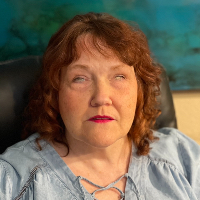
Texas · 16 yrs exp
Licensed professional counselor - Stress and Relationships
Stress, Anxiety · Family · Parenting · Bipolar · +11 more
Read profile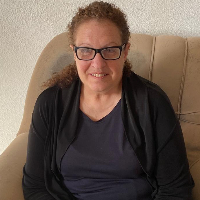
New Jersey · 25 yrs exp
Licensed Professional Counselor - Stress and Anxiety
Stress, Anxiety · Trauma and abuse · Grief · Career · +9 more
Read profile
Connecticut · 16 yrs exp
Connecticut LCSW - anxiety and addiction
Stress, Anxiety · Addictions · Family · Anger · +14 more
Read profile
Pennsylvania · 28 yrs exp
Licensed counselor - Stress and anxiety
Stress, Anxiety · Addictions · Grief · Self esteem · +1 more
Read profileFamily of origin issues refer to patterns, roles and dynamics that develop in your family when you were growing up and that continue to shape how you relate to yourself and others. These patterns can include communication styles that feel hostile or withdrawn, expectations about emotion and achievement, caregiving roles that were unclear or reversed, and ways of coping with stress that may no longer serve you. Because these dynamics often feel normal in the context of a family, you might not notice their impact until you encounter repeated difficulties in intimate relationships, work, or parenting. When you begin to notice recurring conflicts, difficulty trusting others, or trouble asserting boundaries, those are often echoes of the rules and routines established in your earliest family relationships.
The effect of family of origin issues is not limited to negative outcomes. In many cases you will also find strengths that grew out of your family history - resilience, resourcefulness, deep loyalty, or an ability to empathize with others. Therapy for family of origin issues often involves untangling which parts of your relational style are helpful and which limit your goals. Over time you can learn to carry forward adaptive patterns while changing or redefining habits that cause pain or stagnation.
If you find yourself repeating the same relational conflicts across different relationships, therapy may help you identify the underlying family scripts that contribute to those patterns. You might notice that disagreements escalate quickly, that you withdraw when tension arises, or that you feel compelled to take on caregiving roles even when they harm your wellbeing. Difficulty trusting others, persistent guilt, unexplained anxiety around family gatherings, or trouble forming long-term intimate attachments are common reasons people seek help. You may also feel stuck in roles you do not want - the peacemaker, the overachiever, the scapegoat - and be unsure how to step out of those expectations without destabilizing relationships you care about.
Sometimes the signal to seek therapy comes from a life transition. Becoming a parent, ending a relationship, experiencing grief, or moving away from a family environment can surface unresolved dynamics that you previously managed by avoidance or overwork. If you want to change how you relate to family members or to understand how your past shapes your present, targeted work with a therapist can provide clarity and practical strategies for shifting long-standing patterns.
When you begin therapy for family of origin issues, the first sessions typically focus on creating a comfortable environment to explore your family history and identify repeating themes. Your therapist will often ask about your childhood relationships, family roles, and significant events that influenced your development. This historical context helps both of you see patterns rather than blaming individual episodes. You will work together to set goals that feel meaningful to you - for example, developing healthier boundaries, reducing reactivity in conflict, or changing parenting patterns you do not want to repeat.
Therapy sessions can include reflective conversation, experiential exercises to notice bodily responses to memories or triggers, and practice of new interaction styles that you can test in daily life. Some people find it helpful to use role play or letter-writing to express feelings that were not voiced in their family of origin. If family members are willing and involvement would support your goals, some therapists facilitate joint sessions that include adult relatives to practice communication in a safe setting. Progress often comes gradually as you experiment with new ways of relating and integrate a more nuanced understanding of your family history.
Therapists apply a variety of approaches when working on family of origin concerns, and you will find clinicians who blend several methods depending on your needs. Family systems approaches focus on patterns, roles and boundaries that operate within families and emphasize how your current relationships reflect broader family dynamics. Psychodynamic approaches explore early relationships and unconscious patterns that continue to influence your choices. Attachment-based work helps you understand how early bonds shape your expectations for closeness and safety in adult relationships. Cognitive-behavioral strategies can be useful for identifying thought patterns and behaviors that keep unhelpful dynamics in place and for practicing new responses.
You may also encounter therapists who list narrative therapy among their approaches; this work helps you re-author the stories you tell about your family and your role within it. Therapists who list EMDR among their approaches sometimes work with memories and the emotional charge tied to early experiences, while therapists who list internal family systems among their approaches often help clients differentiate and work with internal parts that originated in family contexts. When reviewing clinician profiles, note that listings describe approaches a therapist uses, not verification of training. Asking about how an approach might be applied to your specific history can help you understand whether a clinician’s style aligns with your needs.
Online therapy offers a flexible way to engage in family of origin work from your own home or another comfortable setting. You can meet with a clinician by video or telephone, which may make it easier to maintain continuity across life transitions and scheduling constraints. Many find that discussing family history from a familiar environment allows them to access feelings and memories with less distraction. Online sessions can include the same therapeutic techniques as in-person work - reflective dialogue, experiential exercises, somatic awareness practices, and homework tasks - adapted to a remote format.
Some people prefer to begin with online sessions and later transition to in-person meetings if that becomes desirable. If you expect to involve family members in joint sessions, discuss with a prospective therapist how they manage multi-person work remotely and what steps they take to maintain a constructive structure for those conversations. You should also ask about typical session length, whether they offer written summaries or resources between sessions, and how they approach crises or urgent concerns, so you know how practical matters are handled.
Choosing a therapist for family of origin work is a personal decision. Start by considering the therapist’s stated focus areas and the populations they mention, as alignment with your cultural background, life stage and family structure can matter. Look at the therapeutic approaches listed in profiles and imagine how they might fit with your preferences - for example, whether you want more insight-oriented exploration, skills-based practice, or experiential work. When contacting a therapist, ask about their experience working with issues like yours and how they typically structure sessions. It is appropriate to inquire about how they work with family dynamics, whether they involve family members in treatment, and how they measure progress.
Pay attention to how comfortable you feel during an initial conversation. You should be able to express your concerns and hear a clear description of how the therapist would approach them. Consider practical factors such as language match, appointment format, and how the clinician discusses boundaries and session structure. Finally, trust your sense of whether you can be open about emotionally charged material in the therapist’s presence; a good fit is one where you feel both challenged and supported as you work to change patterns rooted in your family of origin.
Alabama
134 therapists
Alaska
18 therapists
Arizona
114 therapists
Arkansas
67 therapists
Australia
138 therapists
California
590 therapists
Colorado
188 therapists
Connecticut
63 therapists
Delaware
19 therapists
District of Columbia
24 therapists
Florida
979 therapists
Georgia
291 therapists
Hawaii
27 therapists
Idaho
47 therapists
Illinois
294 therapists
Indiana
136 therapists
Iowa
40 therapists
Kansas
68 therapists
Kentucky
108 therapists
Louisiana
170 therapists
Maine
40 therapists
Maryland
114 therapists
Massachusetts
91 therapists
Michigan
320 therapists
Minnesota
93 therapists
Mississippi
90 therapists
Missouri
232 therapists
Montana
54 therapists
Nebraska
35 therapists
Nevada
47 therapists
New Hampshire
23 therapists
New Jersey
182 therapists
New Mexico
52 therapists
New York
351 therapists
North Carolina
348 therapists
North Dakota
11 therapists
Ohio
216 therapists
Oklahoma
127 therapists
Oregon
67 therapists
Pennsylvania
281 therapists
Rhode Island
15 therapists
South Carolina
169 therapists
South Dakota
18 therapists
Tennessee
139 therapists
Texas
898 therapists
United Kingdom
912 therapists
Utah
67 therapists
Vermont
13 therapists
Virginia
179 therapists
Washington
120 therapists
West Virginia
29 therapists
Wisconsin
128 therapists
Wyoming
24 therapists