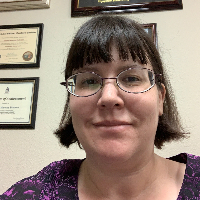
Profile / United States
Bethany Maroney-Peterson, LMFT
California
California LMFT - Trauma and relationships
See online therapy options- Cognitive Behavioral Therapy
- Attachment-based work
- Solution-focused methods
About Bethany
Bethany Maroney-Peterson is a California LMFT with 16 years of clinical experience. She works with people dealing with trauma and abuse, parenting challenges, anger, depression, anxiety, relationship and family problems, grief, and stress-related issues. She also supports people facing intimacy issues, self-esteem concerns, bipolar disorder, ADHD, and major life changes.
Bethany uses a range of approaches to help people notice patterns and try practical changes. She uses Cognitive Behavioral Therapy (CBT) to look at thoughts and actions that keep problems going. She also draws on attachment-based ideas to understand relationship patterns and client-centered methods to keep sessions focused on the person in front of her.
Her background includes work with caregivers and first responders, and attention to issues such as abandonment, adoption and foster care, blended family dynamics, and caregiver stress. She has applied trauma-focused and dialectical behavior strategies when people are managing intense emotions or trauma histories. Sessions tend to focus on skill-building and step-by-step adjustments rather than abstract theory.
Bethany describes her work as collaborative: she helps people set practical goals, test small changes, and track what works. She frames therapy as learning skills for day-to-day life, like managing strong feelings, improving communication, or adjusting routines after major events.
People who choose her often want structured, actionable support for relationship and emotional problems. For next steps, the site process asks prospective clients to complete a short matching questionnaire and schedule a first session.
How her approaches translate to online work
Bethany commonly uses Cognitive Behavioral Therapy to help people spot unhelpful thoughts and test small behavior changes that reduce symptoms. CBT is practical and action-oriented, and it often involves homework between sessions to practice new skills.She also uses attachment-based ideas to look at relationship patterns and how early experiences shape current connections. That work helps with trust, communication, and intimacy-related concerns. Her client-centered stance keeps sessions focused on each person’s priorities and experiences, letting the client guide which issues get attention.
Deciding which approach to use is collaborative. The therapist and client review needs, goals, and preferences and try methods that fit those aims. Adjustments are made as progress is tracked so the plan stays relevant.
Session formats were not specified in the original biography, so confirm current online options before booking. Online work can make it easier to fit sessions into a busy life, shorten travel time, and allow for focused check-ins between other responsibilities. Some formats also use less bandwidth or camera time, which can suit different daily rhythms. Licensed professionals can adapt homework and skills practice to work in everyday settings without asking for major schedule changes.
Areas of expertise
Primary focus
Also works with
Additional focus areas
Therapeutic approaches
Experience
16+ years
Listed in
California
Languages
English
Frequently asked questions
What concerns does she commonly address?
She helps people with trauma and abuse, parenting strain, anger, depression, anxiety, relationship and family problems, grief, and stress. Additional areas include intimacy issues, self-esteem, bipolar concerns, ADHD, and coping with life changes.
How would you describe her therapeutic style?
She uses a collaborative, practical approach that focuses on skill-building and clear goals. Sessions emphasize noticing unhelpful thoughts and trying different responses.
How much experience does she have?
She has 16 years of clinical experience working with individuals, couples, and families.
What are her credentials and where does she practice?
She is a California LMFT and practices in California.
Which languages are supported in sessions?
Sessions are offered in English.
Can people from other countries work with her?
She does not accept international clients at this time.
How are sessions scheduled and what about cost?
Session cost varies with location and uses a subscription that can be canceled at any time.
What are the first steps to begin therapy?
Use the See online therapy options button, complete a short matching questionnaire, and schedule a first session.
Details come from information the therapist supplied to BetterHelp. A license can be checked with the state board.
Online talk therapy is not emergency care. If you are not safe, use the crisis numbers.