
Velma Jones
LCSWNew York · 29 yrs exp
LCSW in New York - Mood and relationship work
Stress, Anxiety · Relationship · Trauma and abuse · Depression · +10 more
Read profileTherapist listings are provided by BetterHelp. We will earn a commission at no additional cost to you if you use our links to purchase.
On this page you will find profiles of therapists who list OCD among their specialties, along with the approaches and experience they describe. Use the listings below to explore clinician focus areas, languages, and therapeutic methods that may match your needs.
Read on for practical information about OCD, what therapy can look like, and guidance to help you choose a therapist who fits your goals.
New York · 29 yrs exp
LCSW in New York - Mood and relationship work
Stress, Anxiety · Relationship · Trauma and abuse · Depression · +10 more
Read profile
Florida · 14 yrs exp
Marsha Oxamendi LCSW - Anxiety and Stress
Stress, Anxiety · Grief · Anger · Self esteem · +12 more
Read profile
Florida · 20 yrs exp
LMHC - Addiction and stress care
Stress, Anxiety · Addictions · Relationship · Self esteem · +16 more
Read profile
Georgia · 8 yrs exp
LPC counselor - anxiety and relationships
Stress, Anxiety · Relationship · Family · Grief · +11 more
Read profile
Kentucky · 18 yrs exp
LMFT - Relationships and Identity
LGBT · Relationship · Family · Self esteem · +14 more
Read profile
Colorado · 15 yrs exp
LPC in Colorado - Relationships and Anxiety
Stress, Anxiety · Relationship · Intimacy-related issues · Self esteem · +10 more
Read profile
Michigan · 5 yrs exp
Licensed Professional Counselor - Stress and Anxiety
Stress, Anxiety · Relationship · Family · Self esteem · +12 more
Read profile
Pennsylvania · 12 yrs exp
Licensed counselor - anxiety and relationships
Stress, Anxiety · Relationship · Self esteem · Depression · +11 more
Read profile
Florida · 26 yrs exp
LMHC - Depression and Anxiety Focus
Relationship · Grief · Self esteem · Depression · +13 more
Read profile
North Carolina · 10 yrs exp
LCSW therapist - anxiety and relationships
Stress, Anxiety · Relationship · Family · Bipolar · +16 more
Read profile
Texas · 17 yrs exp
Licensed Professional Counselor - Stress and Anxiety
Stress, Anxiety · Family · Depression · Coping with life changes · +12 more
Read profile
Missouri · 7 yrs exp
Licensed Professional Counselor - Anxiety and Addictions
Stress, Anxiety · Addictions · Relationship · Self esteem · +13 more
Read profile
Florida · 17 yrs exp
LMHC - Relationships and Addictions
Stress, Anxiety · Addictions · Relationship · Family · +14 more
Read profile
Texas · 10 yrs exp
LPC in Texas - Anxiety and Relationship support
Stress, Anxiety · Relationship · Family · Depression · +14 more
Read profile
Texas · 11 yrs exp
Licensed Professional Counselor - Anxiety and Relationships
Stress, Anxiety · Relationship · Family · Parenting · +9 more
Read profile
Florida · 14 yrs exp
Florida LMHC - Anxiety and Relationships
Stress, Anxiety · Trauma and abuse · Bipolar · Depression · +16 more
Read profile
Texas · 13 yrs exp
Licensed counselor and family therapist - relationships and addiction
Stress, Anxiety · LGBT · Relationship · Trauma and abuse · +12 more
Read profile
Minnesota · 23 yrs exp
Licensed Marriage and Family Therapist - Stress and Relationships
Stress, Anxiety · Relationship · Trauma and abuse · Self esteem · +13 more
Read profile
Louisiana · 16 yrs exp
LCSW - Anxiety and Relationship Concerns
Stress, Anxiety · Relationship · Trauma and abuse · Bipolar · +16 more
Read profile
Louisiana · 22 yrs exp
Licensed LMFT LPC - Anxiety and Relationships
Stress, Anxiety · Relationship · Family · Grief · +11 more
Read profile
Florida · 10 yrs exp
Licensed Clinical Social Worker - Stress and Relationships
Stress, Anxiety · Addictions · Family · Grief · +8 more
Read profile
Michigan · 21 yrs exp
LMSW - Stress and relationship concerns
Stress, Anxiety · Relationship · Family · Bipolar · +14 more
Read profile
Texas · 6 yrs exp
Licensed Professional Counselor - Anxiety and Addictions
Stress, Anxiety · Addictions · Relationship · Trauma and abuse · +12 more
Read profile
New Jersey · 8 yrs exp
LCSW - Anxiety and Mood Concerns
Stress, Anxiety · Relationship · Trauma and abuse · Bipolar · +14 more
Read profile
Texas · 33 yrs exp
Licensed Clinical Social Worker - Relationships and Stress
Stress, Anxiety · Relationship · Family · Self esteem · +11 more
Read profile
Ohio · 20 yrs exp
Ohio LISW - Anxiety and Stress focus
Stress, Anxiety · LGBT · Family · Grief · +16 more
Read profile
Texas · 4 yrs exp
LPC in Texas - Anxiety and Relationship Concerns
Stress, Anxiety · Addictions · Relationship · Family · +3 more
Read profile
Michigan · 24 yrs exp
LCSW counselor - Stress and addiction care
Stress, Anxiety · Addictions · Relationship · Family · +1 more
Read profile
Florida · 32 yrs exp
LMHC in Florida - Mood and relationship concerns
Stress, Anxiety · Relationship · Trauma and abuse · Bipolar · +8 more
Read profile
Kansas · 17 yrs exp
Licensed counselor - anxiety and relationships
Stress, Anxiety · Relationship · Family · Anger · +10 more
Read profile
Florida · 28 yrs exp
LCSW - Anxiety and Addiction support
Stress, Anxiety · Addictions · Trauma and abuse · Self esteem · +13 more
Read profile
North Carolina · 10 yrs exp
LCSW in North Carolina - Stress and Trauma
Stress, Anxiety · Family · Parenting · Anger · +8 more
Read profile
Wyoming · 14 yrs exp
LCSW in Wyoming - anxiety and depression
Addictions · Relationship · Depression · Coping with life changes · +11 more
Read profile
North Carolina · 30 yrs exp
LCMHC counselor - anxiety and life transitions
Stress, Anxiety · Addictions · LGBT · Trauma and abuse · +1 more
Read profile
Texas · 20 yrs exp
LPC counselor - anxiety and relationships
Stress, Anxiety · Relationship · Family · Trauma and abuse · +13 more
Read profile
Florida · 20 yrs exp
Licensed Mental Health Counselor - Stress and Anxiety
Stress, Anxiety · Relationship · Grief · Self esteem · +1 more
Read profile
Georgia · 27 yrs exp
Licensed counselor - anxiety and mood concerns
Stress, Anxiety · Trauma and abuse · Bipolar · Depression · +16 more
Read profile
North Carolina · 20 yrs exp
Licensed counselor - Addiction and anxiety
Stress, Anxiety · Addictions · LGBT · Relationship · +1 more
Read profile
Florida · 40 yrs exp
LCSW - Addiction and Grief
Addictions · Relationship · Grief · Depression · +13 more
Read profile
Florida · 18 yrs exp
Dr. Nicole Thweatt LMHC - Anxiety and Relationship support
Stress, Anxiety · Parenting · Anger · Self esteem · +13 more
Read profile
Florida · 25 yrs exp
LCSW - Depression and Anxiety support
Stress, Anxiety · Addictions · Grief · Bipolar · +5 more
Read profile
Illinois · 5 yrs exp
IL Psychologist - Anxiety and Stress
Stress, Anxiety · Relationship · Trauma and abuse · Depression · +12 more
Read profile
Illinois · 23 yrs exp
LCSW in Illinois - Anxiety and Relationship Concerns
Stress, Anxiety · Trauma and abuse · Anger · Depression · +10 more
Read profile
Pennsylvania · 15 yrs exp
Licensed Professional Counselor - Anxiety and Grief
Stress, Anxiety · Relationship · Self esteem · Depression · +14 more
Read profile
Michigan · 8 yrs exp
LMSW counselor - anxiety and mood concerns
Stress, Anxiety · Self esteem · Career · Depression · +16 more
Read profile
Alabama · 12 yrs exp
LPC in Alabama - Anxiety and life changes
Stress, Anxiety · Family · Anger · Self esteem · +13 more
Read profile
Kentucky · 8 yrs exp
Licensed Clinical Social Worker - Stress and Relationships
Stress, Anxiety · Relationship · Family · Trauma and abuse · +5 more
Read profile
Missouri · 22 yrs exp
Prof. Michael McGaugh - LPC Missouri, stress and anxiety
Stress, Anxiety · Family · Trauma and abuse · Grief · +13 more
Read profile
Missouri · 20 yrs exp
LPC in Missouri - Anxiety and Relationship Work
Stress, Anxiety · Relationship · Family · Trauma and abuse · +4 more
Read profile
Texas · 15 yrs exp
Licensed Professional Counselor - Anxiety and Family
Stress, Anxiety · Family · Parenting · Depression · +9 more
Read profile
New York · 25 yrs exp
LCSW in New York - stress and relationships
Stress, Anxiety · Relationship · Family · Trauma and abuse · +15 more
Read profile
Texas · 13 yrs exp
Licensed Professional Counselor - relationships and ADHD
Stress, Anxiety · Relationship · Family · Parenting · +14 more
Read profile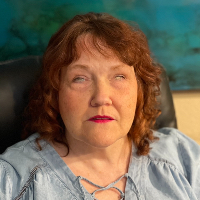
Texas · 16 yrs exp
Licensed professional counselor - Stress and Relationships
Stress, Anxiety · Family · Parenting · Bipolar · +11 more
Read profile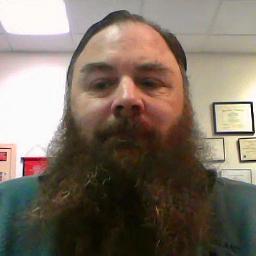
Connecticut · 16 yrs exp
Connecticut LCSW - anxiety and addiction
Stress, Anxiety · Addictions · Family · Anger · +14 more
Read profile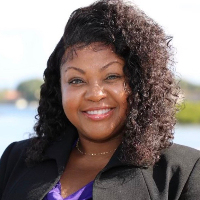
Florida · 9 yrs exp
LMHC in Florida - Anxiety and Mood
Stress, Anxiety · Family · Parenting · Anger · +11 more
Read profile
Texas · 12 yrs exp
LPC in Texas - anxiety and trauma
Stress, Anxiety · Trauma and abuse · Eating · Depression · +13 more
Read profile
Texas · 12 yrs exp
LPC in Texas - anxiety and relationship work
Stress, Anxiety · Addictions · Relationship · Trauma and abuse · +14 more
Read profile
Virginia · 7 yrs exp
Licensed counselor - Anxiety and addiction
Stress, Anxiety · Addictions · LGBT · Relationship · +5 more
Read profile
Michigan · 40 yrs exp
LMSW - Anxiety and Relationship Concerns
Stress, Anxiety · Family · Grief · Self esteem · +16 more
Read profile
Florida · 9 yrs exp
Licensed counselor - anxiety and trauma
Stress, Anxiety · Trauma and abuse · Parenting · Depression · +10 more
Read profileObsessive-compulsive disorder, commonly called OCD, involves patterns of intrusive thoughts, images, or urges - obsessions - and repetitive behaviors or mental acts - compulsions - that people use to reduce the distress caused by those obsessions. For you this may show up as persistent worries about contamination, repeated checking, unwanted violent or sexual thoughts that feel out of character, an intense need for symmetry, or mental rituals such as counting or repeating phrases. The experience of OCD is not limited to one specific set of thoughts or actions; it can present very differently from person to person.
OCD often creates a cycle: unwanted thoughts trigger anxiety or discomfort, you respond with a behavior or ritual that provides short-term relief, and this relief reinforces the urge to perform the behavior again. Over time these cycles can take up increasing amounts of your time, make routine tasks harder, and strain relationships or work functioning. You may still recognize that some rituals are unnecessary, yet feel unable to resist them. That tension between knowing something is excessive and feeling compelled to do it is a hallmark of many OCD experiences.
People living with OCD frequently report feelings of shame, isolation, and frustration. It is common to try to hide symptoms rather than explain them to friends or family, which can make it harder to get support. Understanding the patterns of obsessions and compulsions is an important first step toward finding approaches that reduce distress and restore control over daily life.
You might consider seeking therapy if obsessions and compulsions interfere with your ability to function at work, school, or in relationships. If you spend substantial time each day performing rituals, avoid certain people or places to prevent triggers, or experience intense anxiety when you cannot complete a compulsion, these are signs that professional help could be useful. You do not need to wait until symptoms are severe to look for support; therapy can be more effective when begun earlier in the course of difficulties.
Other indicators that therapy may help include a persistent sense of distress about intrusive thoughts, increasing avoidance of activities you once enjoyed, frequent interruptions to daily routines due to rituals, or cycles of relief followed by growing doubt or shame about the behavior. If you have tried self-help strategies and found them insufficient, or if symptoms are worsening or spreading to new areas of life, therapy offers structured methods to address those patterns.
It is also common for OCD to co-occur with other concerns such as generalized anxiety, depression, or tic disorders. If you notice multiple overlapping symptoms, a therapist who lists experience with co-occurring conditions may be helpful. Therapy provides a space to explore how different problems interact and to build a coordinated plan for symptom management and improved quality of life.
An initial session typically focuses on information gathering. You and the therapist will talk about the history of your symptoms, how they affect your day-to-day life, and any prior strategies you have tried. You can expect a collaborative discussion about goals, priorities, and practical details such as session format, length, frequency, and what the therapist suggests as next steps. Many therapists use structured questionnaires to measure symptom severity and track progress over time.
Following assessment, early sessions often involve psychoeducation - learning more about how obsessions and compulsions operate and why certain techniques are effective. You may work with a therapist to create a personalized plan that identifies specific triggers and patterns, sets measurable goals, and outlines gradual steps to reduce ritualizing. Homework between sessions is common; the tasks are designed to build skills and practice new responses in real-world situations.
Therapy often emphasizes active participation. Rather than only discussing thoughts and feelings, you will likely try exercises that directly address the behaviors maintaining your distress. This can feel challenging, but it is typically done at a pace you and your therapist agree on. As you progress, sessions focus on consolidating the gains, preventing setbacks, and generalizing new habits into daily life so that relief is durable rather than temporary.
Cognitive-behavioral strategies are widely recommended for OCD, especially approaches that address avoidance and ritual behavior. One central method is exposure and response prevention - exposure and response prevention is a structured process in which you intentionally face feared thoughts, images, or situations in a graded way while refraining from the compulsive response. Over repeated practice exposures can decrease anxiety and weaken the link between the obsession and the ritual. When describing providers, look for therapists who list exposure and response prevention among their approaches, and ask how they adapt exposures to your specific concerns.
Cognitive restructuring often accompanies exposure work. In cognitive work you examine the beliefs and appraisals that maintain anxiety - for example, overestimations of threat or exaggerated responsibility - and test those beliefs through behavioral experiments. Therapists who list cognitive behavioral therapy among their approaches typically combine cognitive techniques with behavioral exposures to provide a comprehensive framework.
Other modalities that some therapists list among their approaches include acceptance and commitment therapy, mindfulness-based practices, and habit-reversal techniques when tics or repetitive behaviors are present. Some clinicians also describe integrating family-based strategies when symptoms affect loved ones, or working with specialized formats like group therapy for peer support. Because listings reflect what therapists report, it is helpful to ask clinicians about how they apply particular approaches to OCD while keeping in mind that listed approaches are descriptions rather than guarantees of specific expertise.
Online therapy allows you to work with a therapist through video, phone, or text-based sessions, and it is increasingly common for OCD care. One advantage of remote work is that the therapist can sometimes use your actual home environment to tailor exposures - for example, guiding an exposure to a feared object in your kitchen or supporting an in-home response prevention exercise. Therapists who list online or teletherapy among their formats often describe ways they adapt materials and homework to a virtual setting.
In online sessions you can expect many of the same components as in-person care: assessment, collaborative goal setting, exposure practice, and between-session assignments. Therapists may use digital tools such as screen-shared worksheets, emailed practice plans, or recorded audio exercises to reinforce learning. If you prefer working in a certain language or culture, online options expand the pool of clinicians who match your preferences.
At the same time, there are practical matters to consider. If your symptoms ever include urgent safety concerns, you and your therapist should have a plan to access local resources. If you anticipate needing in-person supports for complex medical or psychiatric needs, discuss how online therapy can complement local care. When reviewing listings, look for therapists who describe the formats they use and how they adapt exposures and support to remote sessions.
Start by focusing on the factors that matter most to you. Consider the approaches a therapist lists and whether those align with the sorts of work you expect to do - for example, exposure-based methods or cognitive techniques. Look at clinician profiles for information about populations they work with, languages they speak, and any stated experience with related issues such as anxiety, depression, or traumatic stress. These elements can help you identify candidates whose background and style fit your preferences.
When you contact a therapist, ask practical questions that clarify how they work with OCD. You might inquire how they structure exposure work, how they measure progress, whether they collaborate with medical providers if medication is part of your treatment plan, and how they support homework practice. Because therapists list approaches rather than credentials in a specific method, you can request examples of how they have applied those approaches in real cases without seeking guarantees about particular certifications.
Think about logistical and personal fit as well. Consider session format, language, fee and insurance options, and whether you prefer a more directive or exploratory style. Trust your impression of whether a therapist listens to your concerns and explains methods in ways that make sense to you. Good therapeutic work depends not only on methods but on a working relationship that feels respectful and collaborative. If a therapist's approach or communication style does not feel right, it is reasonable to keep looking until you find one who aligns with your goals and comfort level.
Using the listings above, explore profiles of therapists who list OCD among their specialties to learn about their approaches and experience. Prepare a brief list of questions to help you compare options, and choose a clinician whose methods and communication style match your needs. With consistent practice and collaborative planning, therapy can help you reduce the impact of obsessions and compulsions and regain time and energy for the things that matter to you.
Alabama
134 therapists
Alaska
18 therapists
Arizona
114 therapists
Arkansas
67 therapists
Australia
138 therapists
California
590 therapists
Colorado
188 therapists
Connecticut
63 therapists
Delaware
19 therapists
District of Columbia
24 therapists
Florida
979 therapists
Georgia
291 therapists
Hawaii
27 therapists
Idaho
47 therapists
Illinois
294 therapists
Indiana
136 therapists
Iowa
40 therapists
Kansas
68 therapists
Kentucky
108 therapists
Louisiana
170 therapists
Maine
40 therapists
Maryland
114 therapists
Massachusetts
91 therapists
Michigan
320 therapists
Minnesota
93 therapists
Mississippi
90 therapists
Missouri
232 therapists
Montana
54 therapists
Nebraska
35 therapists
Nevada
47 therapists
New Hampshire
23 therapists
New Jersey
182 therapists
New Mexico
52 therapists
New York
351 therapists
North Carolina
348 therapists
North Dakota
11 therapists
Ohio
216 therapists
Oklahoma
127 therapists
Oregon
67 therapists
Pennsylvania
281 therapists
Rhode Island
15 therapists
South Carolina
169 therapists
South Dakota
18 therapists
Tennessee
139 therapists
Texas
898 therapists
United Kingdom
912 therapists
Utah
67 therapists
Vermont
13 therapists
Virginia
179 therapists
Washington
120 therapists
West Virginia
29 therapists
Wisconsin
128 therapists
Wyoming
24 therapists