Profile / United States
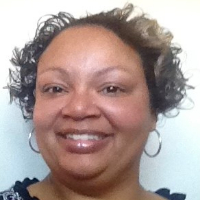
Emily McIver, LCSW, CSW
Georgia
LCSW in Georgia - Addictions and Relationships
See online therapy options- Addictions support
- Relationship issues
- Cognitive Behavioral Therapy
About Emily
Emily McIver is a licensed clinical social worker in Georgia with 19 years of experience. She focuses on helping people with addiction, relationship and intimacy issues, anger, self-esteem, stress, anxiety, trauma, and depression. She also addresses compassion fatigue and life transitions.r>
Her style is straightforward and practical. She uses Cognitive Behavioral Therapy, mindfulness, motivational interviewing, and solution-focused techniques to break down problems into manageable steps. Sessions often look at patterns of thinking and behavior, then try small experiments to test new responses.r>
Emily pays attention to communication and interpersonal patterns. She helps people practice clearer boundary-setting and repair communication after breaches such as infidelity. She also supports work on guilt, shame, and rebuilding a sense of self-worth.r>
When addiction and recovery are part of the picture, she combines motivation-focused conversations with concrete behavior plans. For stress, anxiety, and anger she uses targeted tools to reduce reactivity and increase control over day-to-day responses.r>
Clients who want a practical, skills-focused approach will find sessions that aim for clear goals and measurable steps. She keeps sessions focused on what to try between meetings and how to track small changes over time. This helps people apply new habits to everyday life.
How CBT, mindfulness, and motivational interviewing look online
Emily commonly uses Cognitive Behavioral Therapy to identify unhelpful thoughts and habits, then tests small behavioral changes to reduce symptoms like anxiety, low mood, or anger. CBT sessions focus on specific skills and short experiments to try between meetings.r>She also incorporates Mindfulness Therapy to help people notice bodily and mental states without immediately reacting, useful for stress, trauma responses, and compulsive behaviors. Motivational Interviewing is used when someone is ambivalent about change; it focuses on strengthening personal reasons for change and building a doable plan.r>
Figuring out the best approach is collaborative. The therapist and client review goals, try methods, and adjust based on what works. That process helps match techniques to the person’s needs and preferences rather than prescribing a single method.r>
Session format options are not specified here, so confirm the current online session options before booking. Online work can make it easier to fit therapy into a busy schedule, allow shorter check-ins on a break, or reduce the need for travel. Licensed professionals can guide homework, track progress, and adapt exercises so skills carry over into daily life.
Areas of expertise
Primary focus
Also works with
Additional focus areas
Therapeutic approaches
Experience
19+ years
Listed in
Georgia
Languages
English
Frequently asked questions
What concerns does she address most often?
She works with addiction, relationship and intimacy issues, anger, self-esteem, stress, anxiety, trauma, depression, and compassion fatigue.
How does she typically work with clients?
Her approach is practical and skills-based, using CBT, mindfulness, motivational interviewing, and solution-focused techniques to set clear goals and experiments to try between sessions.
How much experience does she have?
She has 19 years of clinical experience as a licensed social worker in Georgia.
What are her credentials and where is she based?
She holds LCSW and CSW credentials and practices in Georgia.
Which languages are sessions offered in?
Sessions are offered in English.
Can she work with international clients?
She is not currently accepting international clients.
How does payment work?
Cost varies with location; sessions use a subscription that can be canceled at any time.
What is the first step to begin?
Select the See online therapy options button, complete a short matching questionnaire, and schedule a first session.
Details come from information the therapist supplied to BetterHelp. A license can be checked with the state board.
Online talk therapy is not emergency care. If you are not safe, use the crisis numbers.