Profile / United States
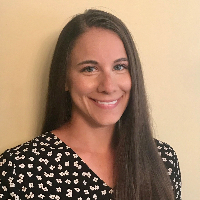
Genevieve (Genny) Gravina, LMHC
New York
New York LMHC - Anxiety and relationships
See online therapy options- Cognitive Behavioral Therapy
- Mindfulness skills
- DBT-informed strategies
About Genevieve
Genevieve (Genny) Gravina is a New York LMHC with six years of clinical experience who helps people manage stress, anxiety, relationship concerns, and mood challenges. She works with issues such as depression, self-esteem, coping with life changes, parenting strains, and intimacy-related problems. She also supports people facing eating and sleeping difficulties, ADHD symptoms, and compassion fatigue.
Genny uses Cognitive Behavioral Therapy alongside client-centered and mindfulness-based methods. In sessions she focuses on noticing unhelpful thoughts and testing small behavior changes. She also draws from Dialectical Behavior Therapy and narrative ideas when those approaches fit the concern.
Her style is practical and interaction-focused. Sessions often involve naming patterns, trying brief skills, and checking whether new strategies work in everyday life. She pays attention to attachment and communication problems when those issues are part of a client's goals.
Genny has experience addressing a wide range of topics, including body image, codependency, guilt and shame, social anxiety, and seasonal mood shifts. She frames work around concrete steps clients can take between sessions, such as short behavioral experiments or focused reflection prompts.
People who want clear, structured sessions that emphasize thought and behavior change will recognize the approach she uses. To start, the site asks prospective clients to complete a short matching questionnaire and schedule an initial session.
How her approaches fit into online sessions
Client-Centered Therapy emphasizes listening and reflecting to help people clarify what matters to them. It focuses on what the client brings and supports self-directed problem solving. Cognitive Behavioral Therapy (CBT) looks at links between thoughts, feelings, and behaviors and uses small experiments to change unhelpful patterns; it is commonly used for anxiety, depression, and stress. Dialectical Behavior Therapy (DBT) adds skills for emotion regulation and distress tolerance and can help when people struggle with intense emotions or relationship conflicts.Finding the right approach is part of the work. She will collaborate with each person to decide which methods suit their goals and preferences. That includes checking whether CBT exercises, DBT skills training, or a client-centered way of talking feels most useful and adjusting the plan as progress is observed.
Session format details should be confirmed before booking because the biography does not list specific session types. In general, online sessions can make it easier to fit therapy into a weekday or evening routine, allow for shorter check-ins when needed, and reduce travel time. They also let people try skills in their everyday environment and then discuss how those experiments went with the therapist.
Areas of expertise
Primary focus
Also works with
Additional focus areas
Therapeutic approaches
Experience
6+ years
Listed in
New York
Languages
English
Frequently asked questions
What concerns does she commonly address?
She helps with stress, anxiety, depression, relationship and intimacy issues, self-esteem, parenting, eating and sleeping problems, ADHD, and compassion fatigue.
How does she use Cognitive Behavioral Therapy?
She uses CBT to help identify unhelpful thoughts and test different behavior changes. Sessions include practical exercises and brief skill practice to try between meetings.
What is her clinical background?
She is a licensed mental health counselor with six years of clinical experience working with mood disorders, codependency, family problems, and related concerns.
Where is she licensed and based?
She holds a New York LMHC credential and practices in New York.
Which languages are supported?
Sessions are offered in English.
Does she work with international clients?
International clients are not currently accepted.
How are sessions paid for?
Cost varies by location and sessions use a subscription that can be canceled at any time.
How do I begin scheduling a session?
Select the See online therapy options button, complete a short matching questionnaire, and schedule a first session.
Details come from information the therapist supplied to BetterHelp. A license can be checked with the state board.
Online talk therapy is not emergency care. If you are not safe, use the crisis numbers.