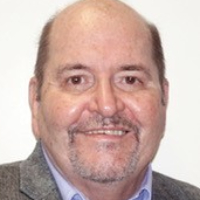
Profile / United States
Rev. John Reid, LCMHC
North Carolina
Rev. John Reid, LCMHC - Relationships and Mood
See online therapy options- CBT methods
- Client-centered work
- DBT skills
About John
Rev. John Reid is an LCMHC with 25 years of counseling experience based in North Carolina. He works with stress, anxiety, relationship and family concerns, grief, parenting, trauma and abuse, intimacy issues, anger, self-esteem, career matters, bipolar disorder, depression, life changes, and ADHD. He also focuses on adoption and foster care, attachment and abandonment issues, blended family challenges, caregiver stress, communication and commitment problems, and related concerns.
Reid draws on a long career that began in pastoral work in 1968 and moved into professional counseling after earning a Master’s Degree in Counseling in 1976. He has worked in counseling agencies, residential programs for teen boys, mental health agencies, and in public schools. He has experience working with English-speaking clients in many countries and across regions of the United States.
His approach combines practical, structured methods with listening and straightforward conversation. He uses Client-Centered Therapy to prioritize the person’s perspective, Cognitive Behavioral Therapy to identify and test unhelpful thoughts and behaviors, and elements of Dialectical Behavior Therapy and Motivational Interviewing where they fit the goals. Sessions may include talking through problems, practicing new ways of responding, and developing simple behavioral steps to try between meetings.
Reid notes life experience and ongoing training shape his work. He completed a five-year Gestalt training program and follows continuing education requirements for his license. He says he will not judge clients and that forgiveness and practical change are part of moving forward.
Outside practice he is married and mentions family life as a background to his long-term focus on relationships and caregiving issues.
How his approaches translate to online sessions
Client-Centered Therapy focuses on listening and reflecting back what a person says. It helps people clarify their own priorities and feel understood before taking action. Cognitive Behavioral Therapy (CBT) breaks problems into thoughts, feelings, and actions. It offers concrete experiments and small behavior changes for anxiety, depression, and stress. Dialectical Behavior Therapy (DBT) supplies practical skills for emotion regulation, distress tolerance, and clearer communication when feelings run high.Finding the right approach is a collaborative process. He will talk with the client about goals, try methods that fit those goals, and adjust based on what works. The plan is practical - identify a problem, try a small change, then review how it went together.
The original biography does not list specific session formats, so confirm the current online options before booking. Online work can make it easier to fit sessions into a busy week, allow shorter check-ins when needed, and avoid travel time. In online sessions the focus is the same as in person: noticing unhelpful thoughts, practicing different responses, and tracking small behavioral steps between meetings.
Areas of expertise
Primary focus
Also works with
Additional focus areas
Therapeutic approaches
Experience
25+ years
Listed in
North Carolina
Languages
English
Frequently asked questions
What issues does he help with most often?
He works with stress, anxiety, depression, bipolar concerns, relationship and family difficulties, grief, parenting and ADHD among other issues.
How would he describe his therapeutic style?
He uses practical, structured approaches alongside listening-focused conversation. Cognitive Behavioral Therapy, client-centered methods, and DBT skills are part of his toolkit when helpful.
What is his professional background?
He began pastoral work in 1968, earned a Master’s Degree in Counseling in 1976, and has 25 years as a professional counselor across agencies, schools, and residential settings.
What credential and location are on his record?
He holds an LCMHC credential and practices from North Carolina.
Which languages and regions can he work with?
Sessions are offered in English and he accepts international clients.
What session formats are available?
The original biography does not specify session formats here, so confirm current session options before booking.
How are fees handled?
Cost varies with location and sessions use a subscription that can be canceled at any time.
What is the first step to begin working together?
Use the See online therapy options button, complete a short matching questionnaire, and schedule a first session.
Details come from information the therapist supplied to BetterHelp. A license can be checked with the state board.
Online talk therapy is not emergency care. If you are not safe, use the crisis numbers.