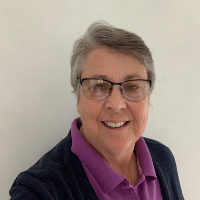
Profile / United States
Kathy Rubendall, LCSW
North Carolina
Licensed Clinical Social Worker - Mood and addiction concerns
See online therapy options- CBT techniques
- DBT skills
- Motivational interviewing
About Kathy
Kathy Rubendall is a Licensed Clinical Social Worker (LCSW) in North Carolina with 30 years of practice. She works with people dealing with stress, anxiety, depression, grief, addiction, and changes in career or life circumstances. She also supports concerns related to bipolar disorder, trauma, attachment from international adoption, and issues tied to caregiving and aging.
Her style is interactive and person-focused. Sessions emphasize practical steps and clear goals. Kathy listens to what is most pressing and then helps identify specific thoughts and behaviors to address.
Kathy uses client-centered methods alongside Cognitive Behavioral Therapy (CBT). She also draws on Dialectical Behavior Therapy (DBT), Motivational Interviewing, and solution-focused techniques. These approaches guide short-term skill building and longer-term habit change.
Typical work includes spotting unhelpful thinking patterns, testing new responses, and practicing coping skills between sessions. For people facing addiction or mood disorders, she mixes motivational work with behavior-focused strategies to support change. For life transitions and grief, sessions balance problem solving with emotional processing.
She practices in North Carolina and conducts therapy in English. Fees vary by location and sessions are provided through a subscription model that can be canceled at any time. To begin, a short matching questionnaire is completed and a first session is scheduled.
How Kathy uses practical approaches in online sessions
Clients can expect Cognitive Behavioral Therapy described plainly as noticing unhelpful thoughts and testing new ways of responding. CBT focuses on changing thinking patterns and behaviors and is useful for anxiety, depression, sleep problems, and some addiction-related behaviors.She also uses Client-Centered Therapy, which centers on listening and reflecting so clients can clarify their own goals and values. Dialectical Behavior Therapy (DBT) is used for building emotion regulation, distress tolerance, and interpersonal skills when strong emotions interfere with daily life.
Finding the right mix of methods is part of the work. Kathy will collaborate with each person to decide which approaches fit their goals and preferences. This means checking in about what helps, adjusting techniques, and setting concrete targets for sessions.
The biography does not list specific online formats, so confirm current session options before booking. Practical benefits of remote sessions include fitting appointments into work or caregiving schedules, shorter check-ins when needed, and the ability to attend from a quieter location without traveling. Licensed professionals can adapt exercises and homework for remote work so clients can practice skills between visits.
Areas of expertise
Primary focus
Also works with
Additional focus areas
Therapeutic approaches
Experience
30+ years
Listed in
North Carolina
Languages
English
Frequently asked questions
What concerns does she commonly address?
She works with stress, anxiety, depression, grief, addictions, bipolar disorder, trauma, and related life changes.
How would you describe her therapeutic approach?
She blends client-centered listening with Cognitive Behavioral Therapy and problem-solving strategies to focus on practical changes.
How much experience does she bring?
She has 30 years of experience as a Licensed Clinical Social Worker in North Carolina.
What are her credentials and where is she based?
She is an LCSW licensed in North Carolina and practices in that state.
Which languages are sessions offered in?
Sessions are offered in English.
Does she work with international clients?
She does not accept international clients at this time.
How are sessions paid for and what do they cost?
Cost varies with location and sessions use a subscription that can be canceled at any time.
What should I do to start working together?
Select the See online therapy options button, complete a short matching questionnaire, and schedule a first session.
Details come from information the therapist supplied to BetterHelp. A license can be checked with the state board.
Online talk therapy is not emergency care. If you are not safe, use the crisis numbers.