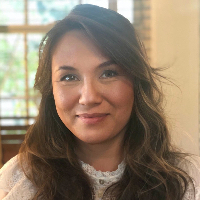
Profile / United States
Sarah Teague, LCSW
North Carolina
LCSW - relationship and anxiety support
See online therapy options- Cognitive Behavioral Therapy
- Client-Centered Therapy
- Solution-Focused methods
About Sarah
Sarah Teague is a Licensed Clinical Social Worker (LCSW) in North Carolina with seven years of clinical experience. She focuses on relationship and intimacy concerns, stress and anxiety, trauma and abuse, parenting and family issues, sleep problems, self-esteem, career adjustments, and compassion fatigue. She also works with topics such as abandonment, body image, codependency, communication and commitment issues, and aspects of alternative sex culture including BDSM and kink.
Before private practice she worked across outpatient clinics, in-home care, and specialty clinics for sexual assault, interpersonal violence, homelessness, and addictions. She also served as a Behavioral Health Officer in the U.S. Army. Those roles shaped a straightforward, practical way of working with people under stress.
Her sessions emphasize clear goals and manageable steps. She uses Cognitive Behavioral Therapy to help people notice unhelpful thoughts and try different responses. Client-Centered Therapy and Solution-Focused Therapy appear alongside CBT to keep work grounded in the person’s priorities and short-term problem solving.
In practice she focuses on what can be changed now: skills for managing anxiety, communication techniques for relationship struggles, and small behavioral shifts to improve sleep and impulse control. Sessions tend to be direct and task-oriented, with attention to real-life constraints like work and caregiving.
People who want practical, structured help with specific problems often find this approach useful. To begin, readers should confirm current session options and follow the site’s sign-up steps to schedule a first meeting.
How Sarah uses CBT and related approaches for online work
Sarah integrates Cognitive Behavioral Therapy, Client-Centered Therapy, and Solution-Focused Therapy into brief, practical work. CBT is used to identify unhelpful thoughts and test small behavior changes that reduce anxiety, improve sleep, or change impulsive habits. Client-Centered Therapy keeps the conversation grounded in the person’s priorities and experience, letting the client set the pace and topics. Solution-Focused Therapy targets specific, achievable goals and short-term steps to create early momentum.Choosing an approach is a collaborative process. The therapist will review needs, goals, and preferences with the client and then recommend trying one method or a combination. The plan can change over time based on which techniques fit best for the person’s daily life and responsibilities.
Confirm the current session formats before booking so you know what options are offered. Online sessions can help fit therapy into busy schedules by reducing travel time and allowing for shorter check-ins when needed. They also make it easier to schedule appointments around work or caregiving responsibilities and to use tools like worksheets and skills practice between meetings.
Areas of expertise
Primary focus
Also works with
Additional focus areas
Therapeutic approaches
Experience
7+ years
Listed in
North Carolina
Languages
English
Frequently asked questions
What concerns does she commonly address?
She works with relationship and intimacy issues, stress and anxiety, trauma and abuse, sleep problems, parenting and family concerns, self-esteem, career changes, and compassion fatigue.
How would you describe her therapeutic style?
Her style is practical and task-focused, using clear goals and step-by-step strategies to address problems.
How much clinical experience does she have?
She has seven years of clinical experience working in outpatient clinics, in-home care, specialty clinics, and military behavioral health settings.
What are her credentials and where is she based?
She is a Licensed Clinical Social Worker (LCSW) licensed in North Carolina and practices from that state.
What languages are supported and can international clients join?
Sessions are offered in English and she is not accepting international clients.
What session formats are available?
Please confirm current session options before booking so you know which formats are offered for appointments.
How are fees handled?
Cost varies with location and sessions use a subscription model that can be canceled at any time.
What is the process for getting started?
Use the See online therapy options button, complete a short matching questionnaire, and schedule a first session.
Details come from information the therapist supplied to BetterHelp. A license can be checked with the state board.
Online talk therapy is not emergency care. If you are not safe, use the crisis numbers.