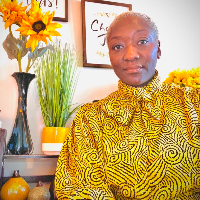
Profile / United States
Tarsha Washington, LPC
South Carolina
Licensed Professional Counselor - Anxiety and Mood
See online therapy options- Cognitive Behavioral Therapy
- Emotion regulation skills
- Goal focused work
About Tarsha
Tarsha Washington is an LPC - Licensed Professional Counselor in South Carolina with eight years of clinical counseling experience. She helps people deal with stress, anxiety, depression, trauma and relationship concerns. Her practice also addresses anger, parenting challenges, life changes, ADHD and mood issues.
Her approach is straightforward and person-centered. Sessions focus on noticing unhelpful thoughts and behaviors and practicing new ways to respond. She uses methods that emphasize clear skills and measurable steps, so clients can try techniques between sessions.
Tarsha draws on Cognitive Behavioral Therapy to identify patterns that keep problems active. She also uses Client-Centered Therapy ideas to listen and reflect what clients say. Dialectical Behavior Therapy and Motivational Interviewing inform her focus on emotion regulation, coping skills and building motivation for change.
She learned social work principles during her undergraduate studies, and those ideas shape how she engages people. Expect direct conversation about goals, practical problem solving, and attention to strengths and limits. Sessions examine barriers at home, work or school that reduce day-to-day functioning.
Tarsha works with adults on specific concerns such as grief, bipolar symptoms, self-esteem and communication problems. She helps people practice concrete strategies to manage impulsivity, isolation, guilt and shame, and to improve social anxiety or relationship patterns.
How her approaches work in online sessions
CBT focuses on the links between thoughts, feelings and actions. In practical terms this means identifying a troubling thought, testing whether it is accurate, and trying an alternate behavior to see if things change. This approach is useful for anxiety, depression, stress and unhelpful habits.Client-Centered Therapy centers on careful listening and reflecting what a person says. It helps people clarify values and choices and supports self-directed decision making. Dialectical Behavior Therapy adds short-term skills for emotion regulation, distress tolerance and improving interpersonal effectiveness when emotions run high.
Finding the right mix of methods is part of the work. The therapist will collaborate with the client to choose approaches based on goals, needs and preferences, and will adjust methods as progress is tracked.
Session formats are not specified in the biography, so confirm current online session options before booking. Online sessions can make it easier to fit therapy into a busy schedule, allow shorter check-ins when needed, and reduce travel time so people can use appointment times more practically.
Areas of expertise
Primary focus
Also works with
Additional focus areas
Therapeutic approaches
Experience
8+ years
Listed in
South Carolina
Languages
English
Frequently asked questions
What concerns does she commonly address?
She supports people with anxiety, depression, trauma, stress, relationship problems, parenting strain, bipolar symptoms and ADHD-related challenges.
How does she use CBT in sessions?
She uses Cognitive Behavioral Therapy to help identify unhelpful thoughts and behavior patterns and to practice alternative coping strategies between sessions.
What is her clinical background?
She has eight years of counseling experience as an LPC and additional years working in social services roles before clinical practice.
Where is she licensed to practice?
She holds the LPC credential and practices in South Carolina.
Which languages are supported?
Sessions are offered in English.
Can people outside the U.S. work with her?
International clients are not currently accepted.
How are sessions paid for?
Cost varies by location and sessions use a subscription model that can be canceled at any time.
How do I begin a first session?
Select the See online therapy options button, complete a short matching questionnaire, and schedule an initial session.
Details come from information the therapist supplied to BetterHelp. A license can be checked with the state board.
Online talk therapy is not emergency care. If you are not safe, use the crisis numbers.