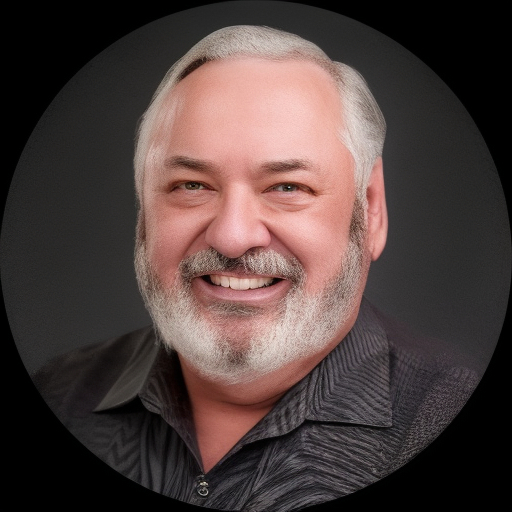
Profile / United States
Albert Staley, LMHC
Washington
LMHC in Washington - anxiety and relationships
See online therapy options- Cognitive Behavioral Therapy
- Client-centered methods
- Emotion-focused work
About Albert
Albert Staley is a Licensed Mental Health Counselor (LMHC) in Washington with four years of clinical experience. He helps people with stress, anxiety, relationship problems, trauma and abuse, low self-esteem, depression, addictions, grief, parenting concerns, anger, and adjusting to life changes.
He uses practical, structured approaches such as Cognitive Behavioral Therapy (CBT) alongside client-centered and emotion-focused methods. Sessions focus on noticing unhelpful thoughts and habits, testing different responses, and building concrete coping skills. He also draws on dialectical behavior ideas and existential perspectives when helpful.
Albert has a background that includes long experience in pastoral teaching and working with people wrestling with religious and existential questions. At a client's request he will discuss faith or spiritual perspectives as part of therapy. He emphasizes clear, evidence-informed discussion and straight answers when clients want them.
In sessions he often uses Socratic questioning, behavioral experiments, and skills practice to help people move past stuck patterns. Work may include looking at attachment, codependency, commitment and communication problems, or coping after separation or violence. He also addresses first responder issues and fatherhood concerns.
Practical matters such as managing grief, grief-related emptiness, or living with chronic stress are handled with step-by-step tools. Sessions are aimed at making daily life more manageable through small changes and repeated practice.
To begin, prospective clients complete a short matching questionnaire and schedule a first session through the online options button. Cost varies by location and uses a cancelable subscription model.
How his approaches work in online sessions
Albert uses Cognitive Behavioral Therapy to help people notice automatic thoughts and try different responses. CBT sessions focus on clear goals, behavioral experiments, and skills practice to reduce anxiety or change unhelpful habits. Client-centered therapy emphasizes listening and supporting a person's own pace and insights, useful when someone needs to process feelings or make decisions.He also uses Dialectical Behavior Therapy (DBT) strategies for emotion regulation and distress tolerance when intense emotions or impulsive behaviors are a concern. DBT skills teach concrete ways to manage strong feelings and improve responses in stressful moments. Finding the right approach is part of the work together; the therapist will help identify which methods suit each person's goals and preferences and adjust the plan as needed.
Session formats are not listed in the biography, so confirm current online options before booking. Online work can make it easier to fit brief check-ins into a workday, avoid travel time, or choose a session length that fits into other commitments. Many people find it simpler to practice skills between sessions when therapy is scheduled into regular life, and the therapist will discuss practical scheduling and format details during the matching and intake steps.
Areas of expertise
Primary focus
Also works with
Additional focus areas
Therapeutic approaches
Experience
4+ years
Listed in
Washington
Languages
English
Frequently asked questions
What kinds of problems does he address?
He works with stress, anxiety, depression, relationship and intimacy issues, trauma and abuse, addictions, grief, parenting concerns, anger, and coping with life changes.
How does he use Cognitive Behavioral Therapy?
CBT is used to identify unhelpful thoughts and behaviors, test alternative responses, and practice new skills in daily life. Sessions include exercises and experiments to change patterns over time.
What is his professional background?
He has four years of clinical experience as an LMHC and many years of experience in pastoral teaching and ministry that inform his work with existential questions.
Where is he licensed and practicing?
He is a Washington LMHC and practices in the state of Washington.
Which languages are supported in sessions?
Sessions are offered in English.
Can international clients work with him?
He does not accept international clients at this time.
How are sessions paid for and what do they cost?
Cost varies with location and sessions use a subscription model that can be canceled at any time.
What do I do to get started?
Click the See online therapy options button, complete a short matching questionnaire, and then schedule your first session.
Details come from information the therapist supplied to BetterHelp. A license can be checked with the state board.
Online talk therapy is not emergency care. If you are not safe, use the crisis numbers.