Profile / United States
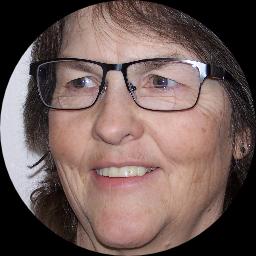
Rev. Elizabeth Hector, LCSW
Montana
Rev. Elizabeth Hector, LCSW - Mood and trauma work
See online therapy options- Cognitive Behavioral Therapy
- Trauma-focused tools
- Work with addictions
About Elizabeth
Rev. Elizabeth Hector is a Licensed Clinical Social Worker (LCSW) practicing in Montana with 13 years of clinical experience and prior pastoral work. She helps people manage stress, anxiety, grief, depression, trauma and abuse, addictions, and LGBT-related concerns among other issues. Her background includes work with people facing chronic illness and end-of-life concerns. She also supports those dealing with relationship and intimacy issues and parenting strain.
She combines Cognitive Behavioral Therapy (CBT) and client-centered methods with trauma-focused tools to address current problems and past hurts. Sessions focus on identifying unhelpful thoughts and habits, trying concrete coping steps, and reducing symptoms that get in the way of daily life. She also uses Eye Movement Desensitization and Reprocessing (EMDR) for trauma-related work when appropriate.
Her experience includes community, church, and group-home settings, and many years working with co-occurring disorders and trauma-related presentations. That background informs a practical approach to helping people regain a sense of control when life feels chaotic. She has experience supporting caregivers and people coping with chronic pain, illness, and disability.
Clients can expect a mix of short-term problem solving and longer-term processing depending on the issue. Typical focuses include mood disorders, trauma recovery, process addictions, and challenges related to gender and sexual identity. She also works with aging and geriatric concerns and hospice and end-of-life counseling.
Work draws on pastoral experience alongside clinical practice. The result is generally straightforward sessions that aim to name problems, test new responses, and build manageable plans for daily life.
How her approaches translate to online care
Rev. Elizabeth Hector uses Cognitive Behavioral Therapy to focus on thoughts and behaviors that keep problems going, with practical exercises and homework you can try between sessions. Client-centered work means sessions pay attention to the person's priorities and experience, giving space to set the pace and focus. She also uses Eye Movement Desensitization and Reprocessing (EMDR) for trauma-related material when that approach fits a person's needs.Finding the right mix of approaches is part of the process. She will work collaboratively to decide which methods to try based on a client's goals, history, and what feels tolerable. That means testing techniques, checking progress, and adjusting steps together rather than assuming one fixed method.
The original biography did not list specific session formats, so confirm current online options before booking. Online work can make it easier to fit therapy into daily life, shorten travel time, and allow brief check-ins during busy weeks. It can also allow people to continue care when they are living in different places, including international locations.
Areas of expertise
Primary focus
Also works with
Additional focus areas
Therapeutic approaches
Experience
13+ years
Listed in
Montana
Languages
English
Frequently asked questions
What kinds of problems does she address?
She works with stress, anxiety, grief, depression, trauma and abuse, addictions, LGBT concerns, relationship and family issues, parenting strain, self-esteem and bipolar-related concerns.
How does she use Cognitive Behavioral Therapy?
CBT is used to identify unhelpful thoughts and habits and to try practical behavior changes. Sessions often include specific exercises and steps to test new ways of responding.
What is her professional background?
She has 13 years of clinical experience and 28 years of ordained pastoral work before social work practice, plus work in group-home and community settings focused on trauma and co-occurring disorders.
What are her credentials and location?
She holds the LCSW credential and practices in Montana.
Does she offer sessions in other languages or to people outside the US?
Sessions are offered in English and she accepts international clients.
What session formats are available?
The original biography does not list specific session formats; please confirm current session options before booking.
How are fees handled?
Cost varies with location and sessions use a subscription that can be canceled at any time.
How do I begin working with her?
Select the See online therapy options button, complete the short matching questionnaire, and schedule a first session.
Details come from information the therapist supplied to BetterHelp. A license can be checked with the state board.
Online talk therapy is not emergency care. If you are not safe, use the crisis numbers.