Profile / United States
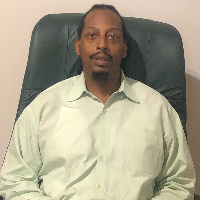
James Milner, LCSW, CSW
Georgia
LCSW - Stress and relationship concerns
See online therapy options- Cognitive Behavioral Therapy
- Acceptance and Commitment Therapy
- Mindfulness and hypnotherapy
About James
James Milner is an LCSW (Licensed Clinical Social Worker) with 11 years of clinical experience based in Georgia. He helps people manage stress, anxiety, depression, addiction, relationship and family concerns, grief, self-esteem struggles, bipolar disorder, anger, and coping with life changes. He also focuses on issues such as abandonment, blended family problems, codependency, communication and control issues, and fatherhood concerns.
James uses a direct, practical style in sessions. He draws on Cognitive Behavioral Therapy (CBT) along with Acceptance and Commitment Therapy (ACT), Dialectical Behavior Therapy (DBT), client-centered methods, hypnotherapy, and mindfulness practices. Sessions tend to focus on noticing unhelpful thoughts and habits, testing new responses, and building concrete skills for day-to-day life.
He began his career working in community mental health and supportive housing programs in Atlanta and surrounding areas. That work included supervising transitional housing programs and developing residential services for people with co-occurring needs. He has also run a private practice and provided counseling services in university settings.
James integrates spiritual and philosophical perspectives into clinical work when it fits a client's beliefs. He balances clinical techniques with interest in meditation, yoga, and related practices he has trained in. He frames diagnosis as a tool to guide practical steps rather than as an identity.
In sessions he emphasizes clear steps and measurable progress. People can expect collaborative planning, skills practice, and regular review of what is helping. Prospective clients should confirm current session formats and scheduling details before booking.
How his approaches translate to online sessions
James often uses Cognitive Behavioral Therapy to help people identify unhelpful thinking patterns and try different behaviors. CBT focuses on breaking problems into small, testable steps and practicing new skills between sessions. Acceptance and Commitment Therapy (ACT) is another approach he uses; it helps people clarify values, accept difficult feelings, and commit to action aligned with what matters to them. Client-Centered Therapy appears in his work as a way to prioritize the client's perspective, listening closely to goals and feedback rather than imposing a fixed plan.Finding the right mix of methods is part of the process. He will work with each person to decide whether CBT, ACT, client-centered work, or a combination fits best based on the person's goals and preferences. That decision is collaborative and can change as progress is reviewed.
The practical benefits of online sessions include fitting appointments into a busy day and reducing travel time. Because the biography does not list specific session formats, confirm which options are currently offered before booking. When agreed, online work can make it easier to schedule shorter check-ins, use video for focused skills practice, or opt for an appointment that does not require commute time. He will adapt homework, skills practice, and in-session exercises to the format the client chooses.
Areas of expertise
Primary focus
Also works with
Additional focus areas
Therapeutic approaches
Experience
11+ years
Listed in
Georgia
Languages
English
Frequently asked questions
What problems does he address most often?
He works with stress, anxiety, depression, addiction, relationship and family concerns, grief, self-esteem, bipolar disorder, anger, and coping with life changes.
How would he describe his therapeutic style?
He uses a practical, skills-based approach that highlights noticing thoughts and testing new behaviors. Sessions include concrete exercises from CBT, ACT, and related methods.
What is his professional background?
He has 11 years of clinical experience and a history of running community mental health and supportive housing programs in the Atlanta area.
What credentials and location apply?
He holds LCSW and CSW credentials and practices in Georgia.
Which languages and regions are supported?
Sessions are offered in English and international clients are not currently accepted.
What session formats are offered?
Please confirm current session options before booking, as the biography does not specify formats.
How does payment and cost work?
Costs vary with location and sessions use a subscription model that can be canceled at any time.
How do I begin working with him?
Select the See online therapy options button, complete the short matching questionnaire, and schedule a first session.
Details come from information the therapist supplied to BetterHelp. A license can be checked with the state board.
Online talk therapy is not emergency care. If you are not safe, use the crisis numbers.