Profile / United States
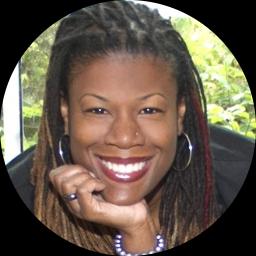
Monica Williams, LCMHC
North Carolina
LCMHC - Stress and Anxiety
See online therapy optionsAbout Monica
Monica Williams is an NC Licensed Clinical Mental Health Counselor (LCMHC) with 15 years of experience helping adults manage stress, anxiety, relationships, trauma and abuse, depression, and ADHD. She practices in North Carolina and works with adults seeking clearer thinking and steadier responses to life’s pressures.
She focuses on practical ways to notice and change unhelpful thoughts and habits. Monica uses Cognitive Behavioral Therapy alongside client-centered approaches to make sessions concrete and goal oriented. She also draws on Dialectical Behavior Therapy and Internal Family Systems when those methods fit a person’s situation.
Sessions are conversational and down-to-earth. Monica aims to make difficult topics easier to talk about by breaking them into small steps. She uses simple skills training, gentle reflection, and structured exercises so people can try new ways of responding between sessions.
Monica often helps with issues connected to attachment, communication, control, family of origin, guilt and shame, and impulsivity. She also supports people facing isolation, midlife questions, multicultural concerns, panic attacks, and post-traumatic stress. Her work includes attention to life purpose and commitment concerns.
Her approach keeps the client’s preferences central. Monica helps people test what works and adjusts strategies as needed. She describes therapy as a practical process of noticing patterns, learning skills, and practicing different choices in daily life.
How Monica applies therapy methods online
Monica commonly uses Cognitive Behavioral Therapy and client-centered methods when working with people. CBT focuses on identifying unhelpful thoughts and testing new ways of thinking and acting to reduce anxiety and depressive patterns. Client-centered work emphasizes listening and reflection so the person can lead what matters most in session.She also draws on Dialectical Behavior Therapy when emotion regulation and distress tolerance skills are needed. DBT teaches concrete tools for handling strong emotions, managing impulses, and improving interpersonal effectiveness.
Finding the right approach is part of the work. Monica discusses goals and preferences with each person and adjusts methods as needed. That collaborative decision-making helps match the approach to someone’s current problems and daily life demands.
Confirm the available online session formats before booking, as the biography does not list specific formats. Online work can make it easier to fit therapy into a busy week, shorten check-ins when time is limited, and remove travel time. Monica will talk with each person about how to shape sessions so they fit practical needs and treatment goals.
Areas of expertise
Primary focus
Additional focus areas
Therapeutic approaches
Experience
15+ years
Listed in
North Carolina
Languages
English
Frequently asked questions
What kinds of concerns does she help with most often?
She works with stress, anxiety, relationship issues, trauma and abuse, depression, and ADHD, plus related topics like attachment, communication, and panic attacks.
How would she describe her therapeutic style?
She uses practical, structured methods such as Cognitive Behavioral Therapy and client-centered conversation to help people notice thoughts and try different responses.
How much experience does she have?
She has 15 years of professional experience in mental health practice.
What credential and location information is on file?
She is listed as an NC LCMHC and practices in North Carolina.
Which languages are supported for sessions?
Sessions are offered in English.
Can people from other countries work with her?
International clients are not currently accepted.
How are sessions paid for?
Cost varies with location and sessions use a subscription that can be canceled at any time.
What are the steps to begin working together?
Use the See online therapy options button, complete a short matching questionnaire, and schedule a first session.
Details come from information the therapist supplied to BetterHelp. A license can be checked with the state board.
Online talk therapy is not emergency care. If you are not safe, use the crisis numbers.