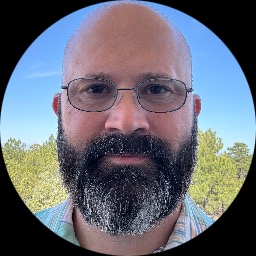
Profile / United States
Paul Brunner, LCSW, CSW
Colorado
LCSW - Trauma and mood concerns
See online therapy options- CBT strategies
- DBT skills
- Trauma care
About Paul
Paul Brunner is a Licensed Clinical Social Worker (LCSW) with 15 years of experience. He works with people dealing with stress, anxiety, trauma and abuse, anger, depression, compassion fatigue, LGBT concerns, family-related stress, sleep problems, self-esteem, career issues, bipolar disorder, and ADHD.
He spent much of his career working with military service members. He joined the Army in 1999 as a mental health technician, completed his undergraduate degree while enlisted, and later finished a Master of Social Work. He has held roles as an Army officer and active duty social worker. He holds social work licensure in Colorado and North Carolina (CO LCSW, NC LCSW).
His work often focuses on practical strategies. Sessions look at unhelpful thoughts and habits and test different ways of responding. He has used Cognitive Behavioral Therapy and Dialectical Behavior Therapy alongside mindfulness approaches in these efforts.
Paul has provided trauma-focused treatment and substance use care for veterans. He has also worked with people affected by domestic violence and sexual abuse. In sessions he tends to use structured methods that aim to reduce distress and increase day-to-day functioning.
He also draws on EMDR and motivational interviewing when these methods fit a person's goals. If someone needs help with sleep, impulse control, or managing intense emotions, he works on concrete skills and steps they can practice between meetings.
How his approaches translate to online sessions
Paul commonly uses Cognitive Behavioral Therapy to identify patterns of thinking that increase stress and to test practical changes in behavior. CBT sessions often involve setting concrete goals, practicing new skills between meetings, and tracking small improvements over time.He also uses Dialectical Behavior Therapy skills for managing intense emotions and improving distress tolerance. DBT work focuses on concrete tools for regulating feelings, reducing impulsive actions, and improving interpersonal effectiveness.
EMDR is another method he has used for trauma work; it involves structured processing of distressing memories while using guided attention techniques to lessen their hold. That approach is usually integrated when trauma processing fits a person's goals and readiness.
Finding the right approach is part of the work. The therapist and client review needs, goals, and preferences and then try methods that seem most helpful. Sessions can shift over time as different skills or processing methods become more or less useful.
Confirm the exact session formats before booking since the biography does not list them. Online sessions can make it easier to fit meetings into a workday, avoid travel time, or choose a shorter check-in when schedules are tight. Discuss preferred rhythms and practical constraints during the first meeting so sessions match everyday life.
Areas of expertise
Primary focus
Also works with
Additional focus areas
Therapeutic approaches
Experience
15+ years
Listed in
North Carolina, Colorado
Languages
English
Frequently asked questions
What kinds of problems does he help with?
He helps people with stress, anxiety, trauma and abuse, anger, depression, compassion fatigue, sleep issues, self-esteem, career concerns, bipolar disorder, and ADHD among other topics.
How would he describe his therapeutic style?
He uses structured, skills-based approaches such as Cognitive Behavioral Therapy and Dialectical Behavior Therapy. Sessions focus on noticing unhelpful thoughts and trying different ways of responding.
What is his professional background?
He has 15 years in mental health and a history of work with military service members, including time as an Army mental health technician, officer, and active duty social worker.
What are his credentials and where is he located?
He is a Licensed Clinical Social Worker and holds CO LCSW and NC LCSW licensure. He practices in Colorado.
Which languages are supported for sessions?
Sessions are offered in English.
Can people outside the United States work with him?
International clients are not currently accepted.
How are sessions paid for?
Cost varies with location and sessions use a subscription model that can be canceled at any time.
How do I begin the process?
Start by selecting the See online therapy options button, complete a short matching questionnaire, and schedule a first session.
Details come from information the therapist supplied to BetterHelp. A license can be checked with the state board.
Online talk therapy is not emergency care. If you are not safe, use the crisis numbers.