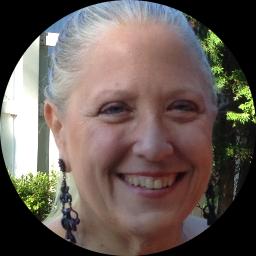
Profile / United States
Valerie Farrell, LCSW
New York
LCSW - Stress and addiction support
See online therapy options- CBT methods
- Attachment focus
- Mindfulness practice
About Valerie
Valerie Farrell is a Licensed Clinical Social Worker (LCSW) with 28 years of experience based in New York. She focuses on stress, anxiety, addictions, trauma and abuse, grief, and coaching. Valerie speaks English and brings long experience supporting people through hard life events.
She helps people who face substance use, anxiety, depression, and traumatic stress. She also works with those dealing with serious illness, caregiving strain, grief after loss, and challenges around attachment and abandonment. Valerie uses practical approaches to help clients notice patterns and try different ways of responding.
Her work draws on cognitive behavioral therapy to identify unhelpful thoughts and habits. She also uses attachment-based and client-centered methods to explore relationships and personal strengths. Mindfulness and motivational interviewing are part of her toolbox when they fit a client's goals.
Sessions are focused and action-oriented. Valerie helps set clear short-term goals and break them into simple steps. She encourages skills people can practice between meetings to reduce anxiety, manage cravings, or handle painful memories.
Her background includes many years working with people affected by chronic health issues, grief, and substance concerns. Valerie pays attention to how early relationships shape current problems and helps people develop more stable ways of relating. To begin, she asks for a brief intake and discusses what practical steps will be most useful.
How therapeutic approaches translate to online work
Valerie commonly uses cognitive behavioral therapy to help people identify thought patterns and practice new responses; CBT is useful for anxiety, stress, and some addictive behaviors. She also draws on attachment-based therapy to look at how early relationships affect current connections and emotional reactions, which can help with abandonment and relationship concerns. Client-centered methods focus on listening and building on the person's own goals and strengths.Finding the right mix of methods is part of the work. Valerie discusses goals and preferences with each person and together they decide which approaches to try. That collaborative process guides whether sessions lean more toward skills practice, reflective exploration, or motivational work.
The original biography does not list specific online session formats, so confirm current session options before booking. In general, online work can make scheduling easier and help fit sessions into a weekday break or evening routine. It can also allow shorter check-ins by phone or audio when that better suits someone's needs, or saved time by avoiding travel to appointments.
Areas of expertise
Primary focus
Additional focus areas
Therapeutic approaches
Experience
28+ years
Listed in
New York
Languages
English
Frequently asked questions
What kinds of problems does she address?
She works with stress, anxiety, addictions, trauma and abuse, grief, and offers coaching for life changes.
What is her therapy style?
Her approach is practical and structured, using cognitive behavioral techniques alongside attachment and client-centered methods.
How much experience does she have?
Valerie has 28 years of clinical experience working with people facing addiction, chronic illness, loss, and trauma.
What are her credentials and location?
She is a Licensed Clinical Social Worker (LCSW) licensed in New York and practices from New York.
Which languages are supported?
Sessions are offered in English.
Does she work with international clients?
International clients are not currently accepted.
How are sessions billed?
Cost varies with location and sessions use a subscription that can be canceled at any time.
How do I get started?
Click the See online therapy options button, complete a short matching questionnaire, and schedule a first session.
Details come from information the therapist supplied to BetterHelp. A license can be checked with the state board.
Online talk therapy is not emergency care. If you are not safe, use the crisis numbers.