Profile / United States
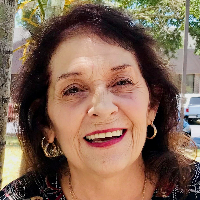
Ann DePoole, LCSW
Arizona
LCSW - Mood and trauma concerns
See online therapy options- CBT techniques
- DBT skills
- ACT strategies
About Ann
Ann DePoole is an LCSW (Licensed Clinical Social Worker) with 14 years of experience based in Arizona. She works with people facing stress, anxiety, mood disorders, trauma, substance use concerns, grief, relationship and intimacy issues, and other life changes.
Ann returned to school in her 40s to pursue a long-held goal of becoming a therapist. She emphasizes straightforward conversation and building trust so clients can talk honestly about what’s difficult. Sessions focus on practical steps clients can try between meetings as well as strategies discussed in session.
Her approach draws from Cognitive Behavioral Therapy (CBT) alongside Acceptance and Commitment Therapy (ACT), Dialectical Behavior Therapy (DBT), attachment-focused work, and client-centered methods. She mixes structured tools with time to reflect on how thoughts, feelings, and behaviors connect.
Ann often helps people facing co-occurring concerns such as mood disorders combined with substance use. She also supports those dealing with grief, caregiving strain, anger, body image, and the stresses of major life transitions. Practical coping skills and step-by-step planning are common parts of her work.
People who prefer clear, action-oriented sessions may find this style helpful. Ann aims to identify patterns that keep problems going and then try different ways of responding. She asks clients to try strategies and then reviews what did and did not help in follow-up sessions.
How her approaches translate to online work
CBT helps people notice thought patterns and test new behaviors. Online sessions using CBT focus on short experiments and practical homework that clients can try between meetings, which suits problems like anxiety, depression, and unhelpful habits.Acceptance and Commitment Therapy (ACT) teaches people to notice difficult thoughts and choose actions that reflect their values. In remote sessions ACT can guide values-based planning and brief in-session exercises to practice noticing and shifting attention.
Attachment-Based Therapy looks at how early relationships affect current patterns. In online meetings this work often involves talking through relationship histories and identifying interaction patterns to change how someone relates to others.
Finding the right mix of approaches is part of the work. The therapist will collaborate with each client to decide whether CBT, ACT, attachment-focused work, DBT skills, or client-centered conversation fits best for their goals. That choice can change over time as needs evolve.
Session formats are not specified in the biography, so confirm current options before booking. Online sessions can make it easier to fit therapy into a busy day, allow shorter check-ins when needed, and remove travel time. Many clients use remote meetings to practice skills between sessions and to keep continuity of care during life transitions.
Areas of expertise
Also works with
Additional focus areas
Therapeutic approaches
Experience
14+ years
Listed in
Florida, Arizona
Languages
English
Frequently asked questions
What concerns does she most often address?
She works with stress, anxiety, mood disorders, trauma, substance use, grief, relationship and intimacy issues, and related life changes.
How does she use Cognitive Behavioral Therapy in sessions?
CBT is used to identify unhelpful thoughts and habits and to try different responses. Sessions include practical exercises and homework to practice new skills between meetings.
What is her professional background?
She is a Licensed Clinical Social Worker with 14 years of clinical experience and returned to school in her 40s to become a therapist.
Where is she based and what licenses does she hold?
She practices in Arizona and holds LCSW licensure, including listed credentials for FL LCSW and AZ LCSW.
Which languages are sessions offered in?
Sessions are offered in English.
Can people outside the U.S. work with her?
She does not accept international clients at this time.
How are fees and payments handled?
Cost varies with location and sessions use a subscription model that can be canceled at any time.
How do I begin a first session?
Select the See online therapy options button, complete a short matching questionnaire, and schedule a first session.
Details come from information the therapist supplied to BetterHelp. A license can be checked with the state board.
Online talk therapy is not emergency care. If you are not safe, use the crisis numbers.