Profile / United States
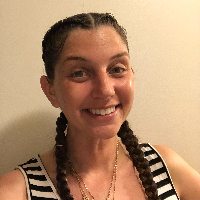
Carly Gelb, LCSW
Illinois
Licensed Clinical Social Worker - Anxiety and Addictions
See online therapy options- Cognitive Behavioral Therapy
- Mindfulness practice
- Worksheets and journaling
About Carly
Carly Gelb is a Licensed Clinical Social Worker (LCSW) practicing in Illinois with eight years of experience. She works with people who are dealing with anxiety, depression, stress, addictions, relationship concerns, grief, and trauma. Carly also addresses issues like self-esteem, sleep and eating difficulties, parenting stress, and career-related stress.
She uses Cognitive Behavioral Therapy (CBT) alongside Acceptance and Commitment Therapy (ACT), Dialectical Behavior Therapy (DBT), client-centered methods, and mindfulness practices. Sessions focus on noticing unhelpful thoughts and testing new responses. She uses practical tools such as worksheets, journaling, guided meditation, and creative art to support that process.
Carly emphasizes a client-directed style where the person shapes the session goals. That approach is paired with structured techniques when they fit the problem. For example, CBT exercises may target thoughts and behaviors that maintain anxiety or low mood.
She has experience working with substance use and addiction concerns, including drug and alcohol issues, and with mood conditions such as bipolar and disruptive mood dysregulation disorder. Carly also supports people facing relational patterns like codependency, communication problems, abandonment or attachment concerns.
Sessions tend to combine reflective conversation with hands-on practice. Clients can expect concrete strategies to try between sessions, and space to talk through setbacks and progress. To begin, clients follow the platform steps to match and schedule an initial appointment.
How CBT, ACT and client-centered work in remote sessions
Cognitive Behavioral Therapy focuses on finding thoughts and behaviors that keep problems going and testing small changes. It can help with anxiety, depression, sleep and eating difficulties, and stress by giving clear exercises and homework to try between sessions.Acceptance and Commitment Therapy helps people notice difficult thoughts and move toward chosen values despite them. It’s useful for coping with grief, chronic stress, and issues where avoidance keeps problems in place. Client-Centered Therapy emphasizes the person’s goals and pace, offering space for someone to direct what they want to work on while the therapist follows their lead.
Deciding which approach to use is collaborative. The therapist and client review goals, try methods, and adjust based on what helps. That means sessions can mix structured CBT skills, ACT practices, mindfulness, and open conversational work depending on needs.
Session formats are not listed in the biography, so confirm current options before booking. In general, online work makes it easier to fit therapy into busy days - shorter check-ins can work during a lunch break, audio-only sessions use less bandwidth, and not traveling saves commuting time. Licensed professionals adapt techniques so practical tools and worksheets still get used between meetings.
Areas of expertise
Primary focus
Also works with
Additional focus areas
Therapeutic approaches
Experience
8+ years
Listed in
Illinois
Languages
English
Frequently asked questions
What kinds of problems does she address?
Carly works with stress, anxiety, depression, addictions, relationship and family concerns, trauma and grief, sleep and eating issues, parenting and career stress, and related areas such as self-esteem and intimacy problems.
How does she use Cognitive Behavioral Therapy?
CBT is used to identify unhelpful thoughts and habits and to try alternative responses. Sessions include practical exercises like worksheets and behavior experiments to test what changes help.
What is her clinical background?
She is a Licensed Clinical Social Worker with eight years of clinical experience working with mood, anxiety, addiction, and relational concerns.
Where does she practice and what is her credential?
She practices in Illinois and holds the IL LCSW credential as a Licensed Clinical Social Worker.
Which languages are supported in sessions?
Sessions are offered in English.
Can international clients work with her?
International clients are not accepted at this time.
How are session costs handled?
Cost varies with location and sessions use a subscription that can be canceled at any time.
How do I get started with an appointment?
Select the See online therapy options button, complete the short matching questionnaire, and schedule a first session.
Details come from information the therapist supplied to BetterHelp. A license can be checked with the state board.
Online talk therapy is not emergency care. If you are not safe, use the crisis numbers.