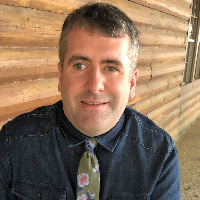
Profile / United States
Lannie Cox, LPC
Texas
LPC in Texas - Stress and Relationship Concerns
See online therapy options- Cognitive Behavioral Therapy
- Emotionally-Focused Therapy
- Gottman Method
About Lannie
Lannie Cox is an LPC (Licensed Professional Counselor) with three years of clinical experience based in Texas. He focuses on stress, anxiety, relationship and family concerns, parenting challenges, depression, addictions, trauma and abuse, grief, intimacy, and related issues. He also helps with sleep and eating concerns, anger, self-esteem, career worries, ADHD, and coping with life changes.
He uses practical, structured methods to help people notice unhelpful thoughts and habits. Sessions emphasize clear steps and exercises to test new ways of responding. He draws on Cognitive Behavioral Therapy (CBT), Dialectical Behavior Therapy (DBT), Emotionally-Focused Therapy (EFT), the Gottman Method, and mindfulness approaches as fit the person’s goals.
Before counseling, he worked for 15 years in the corporate world in communications and public relations. He holds a master’s degree in Clinical Mental Health Counseling from West Texas A&M University and practices as an LPC in Texas. That background informs his focus on concrete problem solving and communication skills.
In sessions he listens for what isn’t working, helps people identify small experiments to try, and tracks what changes. He offers encouragement and straightforward feedback rather than quick fixes. He notes that lasting solutions often come from the client’s own insights and effort.
Outside of work he is married, a father, and sometimes mentions his Seeing Eye dog, Abbott, who can lighten the mood. To begin, readers are advised to use the site’s matching process and schedule an initial session so they can discuss goals and next steps.
How CBT, DBT and EFT shape online sessions
CBT focuses on identifying thoughts and behaviors that keep problems going and testing small changes. It often involves brief exercises, thought records, and behavior experiments that can be practiced between sessions to reduce anxiety, improve sleep, or change unhelpful habits.Dialectical Behavior Therapy teaches practical skills for managing strong emotions, increasing distress tolerance, and improving interpersonal effectiveness. It is useful when emotions feel overwhelming or communication tends to escalate.
Emotionally-Focused Therapy centers on understanding emotional experience in relationships and changing patterns that create distance or repeated hurt. It can help people clarify needs and practice different ways of connecting or responding in close relationships.
Finding the best approach is a collaborative process. He will work with each person to decide which methods match their goals and preferences, and adjust the plan as progress is tracked. Expect clear goals, concrete exercises, and regular check-ins about what is working.
The profile does not list specific session formats, so confirm current online options before booking. Online sessions can make it easier to fit counseling into work or family schedules, shorten travel time, allow for shorter check-ins when needed, and reduce the need to be on camera for every meeting. These practical benefits help people maintain consistency and try new skills in their everyday life.
Areas of expertise
Primary focus
Also works with
Additional focus areas
Therapeutic approaches
Experience
3+ years
Listed in
Texas
Languages
English
Frequently asked questions
What kinds of problems does he help with most often?
He works with stress, anxiety, relationship and family issues, parenting, depression, addictions, trauma, grief, intimacy concerns, and related topics listed in his profile.
How does he use CBT in sessions?
He uses Cognitive Behavioral Therapy to help people notice unhelpful thoughts and habits, set small experiments, and track what changes between sessions.
What is his clinical background?
He has three years of counseling experience and previously spent 15 years working in corporate communications and public relations.
What are his credentials and where does he practice?
He is an LPC - Licensed Professional Counselor - practicing in Texas with a master’s degree in Clinical Mental Health Counseling from West Texas A&M University.
Does he offer sessions in languages other than English?
Sessions are offered in English.
Can people outside the US work with him?
He accepts international clients; confirm any licensing or regional details that might affect services before booking.
How are sessions priced?
Cost varies with location and sessions use a subscription model that can be canceled at any time.
How do I begin working with him?
Select the See online therapy options button, complete the short matching questionnaire, and schedule a first session to discuss goals and next steps.
Details come from information the therapist supplied to BetterHelp. A license can be checked with the state board.
Online talk therapy is not emergency care. If you are not safe, use the crisis numbers.