Profile / United States
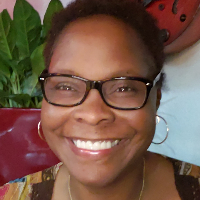
Trisha Taylor, LMFT
California
LMFT - Stress and relationship concerns
See online therapy options- Cognitive Behavioral Therapy
- Mindfulness practices
- Motivational interviewing
About Trisha
Trisha Taylor is a California LMFT with 14 years of experience. She helps people manage stress, anxiety, addictions, trauma and abuse, depression, grief, relationship and family concerns, and a range of intimacy and self-esteem issues.
She uses straightforward, skills-based work to address worries that show up in daily life. Sessions focus on spotting unhelpful thoughts and habits, trying out different responses, and building practical coping steps that fit a person’s routine. Cognitive Behavioral Therapy (CBT) is a frequent part of her approach alongside client-centered methods and techniques from dialectical behavior therapy and mindfulness.
Her background includes a Master’s in Counseling completed in 2011 and more than a decade practicing as a Marriage, Family and Child Therapist in California. That experience informs how she helps people facing addiction, family conflict, adoption and foster care issues, and challenges connected to identity, fertility, or grief.
In sessions she often uses short, focused exercises and conversation to clarify goals and practice new skills. Work can include behavioral experiments, grounding and emotion-regulation techniques, and communication skill-building for family or relationship stress.
People who want concrete tools and a structured way to change patterns may find this practical approach useful. Before booking, confirm the current session formats offered to make sure they match your needs.
How CBT, client-centered work, and DBT translate to online sessions
Trisha commonly uses Cognitive Behavioral Therapy to help people identify and shift unhelpful thoughts and behaviors. CBT typically involves setting specific goals, trying brief experiments between sessions, and practicing new ways of responding to stress and anxiety.She also draws on client-centered methods that emphasize clear listening and collaborative planning. That approach focuses on understanding what matters to the person and shaping goals around their priorities. Dialectical Behavior Therapy contributes concrete emotion-regulation and distress-tolerance skills for intense feelings and relationship stress.
Finding the right approach is part of the work. The therapist will talk with each person about goals, preferred ways of learning, and practical constraints, then pick techniques that fit those needs. That decision is collaborative and can change as work progresses.
Session formats are not listed here, so confirm the current online options before booking. Online sessions can make it easier to fit work into a busy day, allow shorter check-ins when helpful, and reduce travel time. They also let people practice skills between sessions in real-life settings and bring examples from day-to-day life into discussion.
Areas of expertise
Primary focus
Also works with
Additional focus areas
Therapeutic approaches
Experience
14+ years
Listed in
California
Languages
English
Frequently asked questions
What problems does she commonly address?
She works with stress, anxiety, addictions, trauma, depression, grief, relationship and family concerns, eating and sleeping issues, and related topics like abandonment and codependency.
How would she describe her therapeutic style?
Her style is practical and skills-focused, using conversation plus exercises to notice thoughts and change habits. CBT, client-centered approaches, DBT, and mindfulness are part of that mix.
How much clinical experience does she have?
She has 14 years of experience working as a therapist and coach since completing a Master’s in Counseling in 2011.
What are her credentials and where does she practice?
She is a California LMFT and practices in California.
In which languages can sessions be held?
Sessions are offered in English.
Does she work with international clients?
International clients are not currently accepted.
How are sessions scheduled and paid for?
Cost varies by location and sessions use a subscription that can be canceled at any time.
How do I begin the process?
Select the See online therapy options button, complete a short matching questionnaire, and schedule a first session.
Details come from information the therapist supplied to BetterHelp. A license can be checked with the state board.
Online talk therapy is not emergency care. If you are not safe, use the crisis numbers.